













Register

Professionalism

Have you ever yelled at a controller on frequency? Or, have you been yelled at by ATC? Do you think it was warranted? How did you handle it after that?

Gemini Sparkle

Key Takeaways:

  • Professionalism and effective communication are paramount in aviation, especially between pilots and air traffic controllers (ATC), due to differing perspectives and high-stakes responsibilities.
  • Disagreements naturally arise, sometimes stemming from a lack of official knowledge (e.g., ATC referencing Google over FAA regulations) or unprofessional communication styles.
  • Both pilots and controllers should prioritize clear, polite communication, avoid ego battles on frequency, and address non-safety-critical disputes off-frequency to maintain safety and efficiency.
  • Ultimately, the pilot is responsible for the aircraft, and while ATC instructions must be followed when safe, pilots should clearly state "Unable" if an instruction cannot be complied with.
See a mistake? Contact us.

Aviation, perhaps more than most other human endeavors, draws Type-A personalities. Add that most of those folks actively involved in commission of aviation acts have ultimate responsibility over their particular domain, and, well, sometimes we see things differently, to put it gently. One big aspect of professionalism is how we handle those different views.

It’s Natural

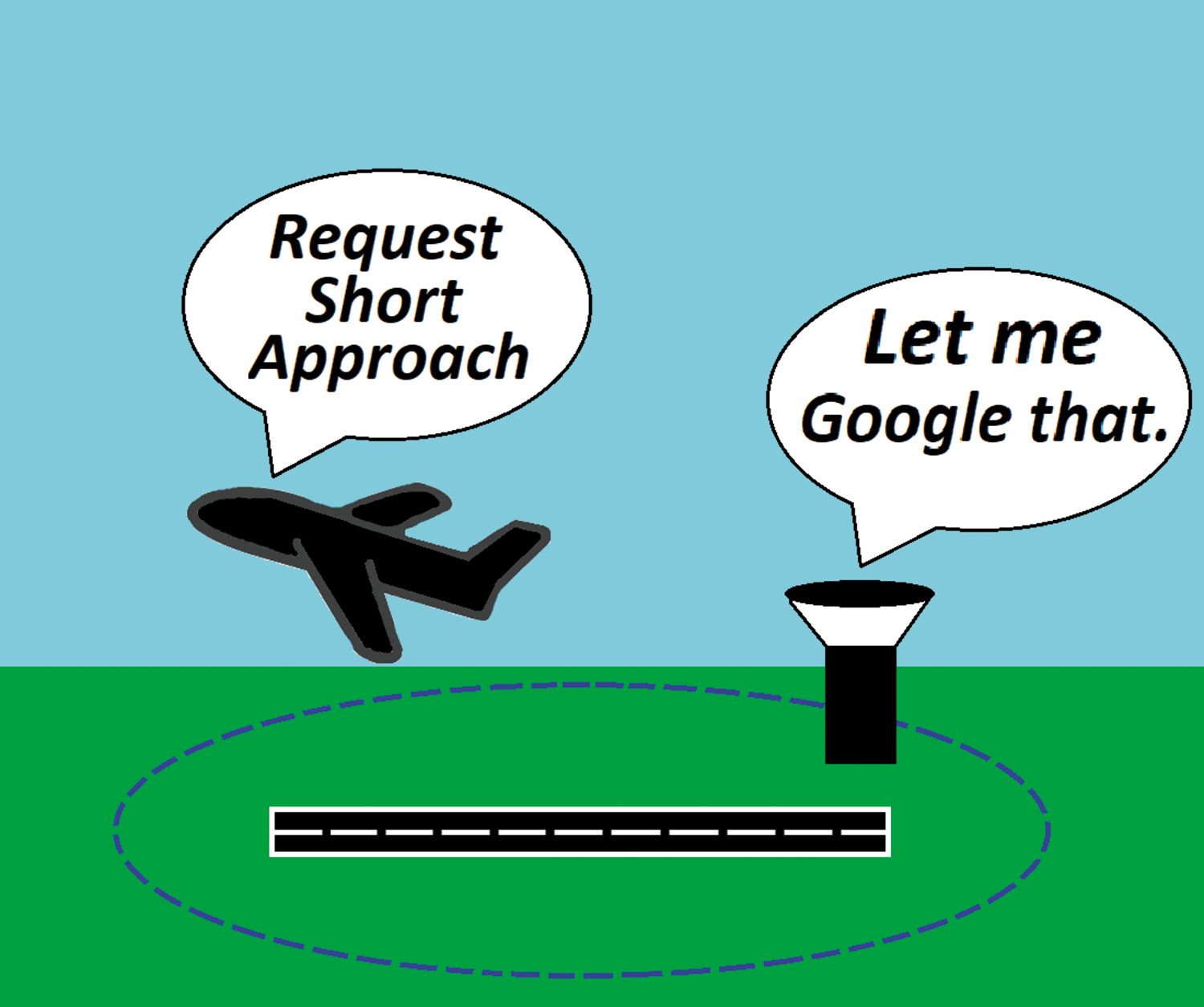
We humans naturally have disagreements with those around us, especially in aviation. Should I run rich-of-peak or lean-of-peak? Where do I turn my base? How does that match the recommended procedure? Tower said they Googled a short approach. Are they right? (More on this later.) At what point do you stop on frequency? 

Ready to Sell Your Aircraft?

List your airplane on AircraftForSale.com and reach qualified buyers.

List Your Aircraft
AircraftForSale Logo | FLYING Logo
Pilot in aircraft
Sign-up for newsletters & special offers!

Get the latest stories & special offers delivered directly to your inbox.

SUBSCRIBE
