











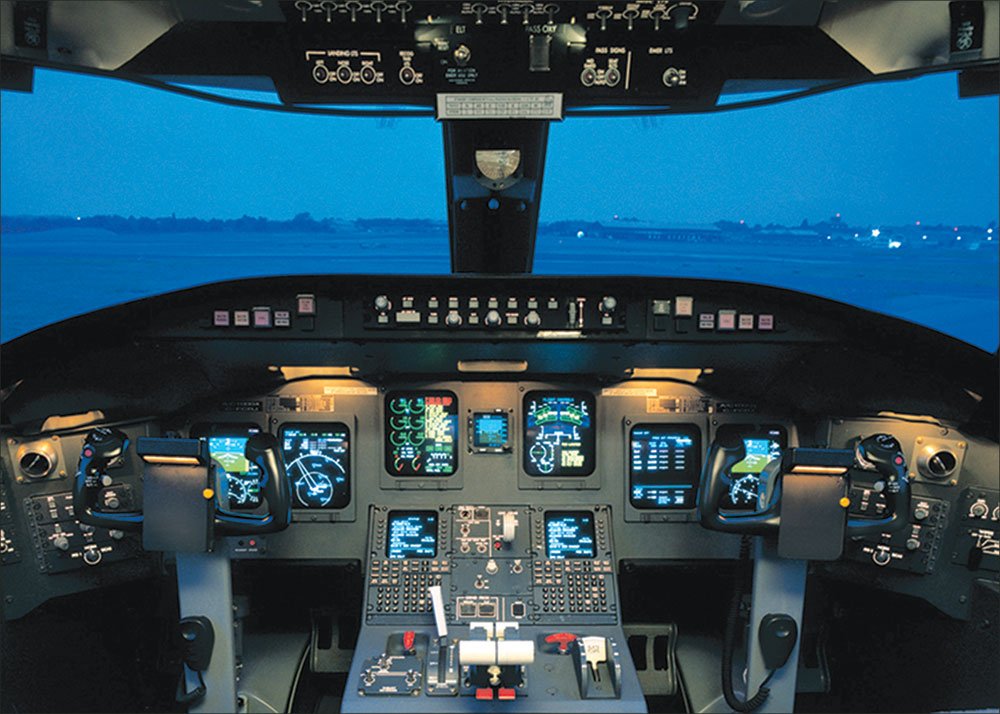
Until just recently, the role for most pilots was pilot flying with manual control, occasionally supplemented with autoflight when the workload was high and we needed a helping hand. With the increasing availability of more and more capable systems, that role is changing to one of systems manager or, worse, just systems observer. That’s not good. Our problem extends far beyond automation complacency. It’s become a new and dangerous way of thinking about the role of the pilot.
Automation Paradigm

Key Takeaways:
- Modern aircraft automation is dangerously shifting the pilot's role from active manual flying to passive systems management, fostering a complacent mindset where automation is perceived as the primary controller.
- This over-reliance on sophisticated navigation and autoflight systems leads to a degradation of pilots' manual flying skills, reduced engagement with essential flight monitoring, and a critical loss of situational awareness.
- To counteract this "automation paradigm" and ensure safety, pilots must actively maintain their manual proficiency and always be prepared to disengage automation and take direct control of the aircraft.
Key takeaways sponsored by Aviator Pro | Start Your Training ->
See a mistake? Contact us.

