


(October 2011) Signature Engines president Bill Schmidt and the company’s chief security officer, Boo Radley, strolled across the ramp to my hangar last week as I was debugging the 180. Boo is actually a spoiled but lovable mutt rescued by Bill and named for the lonely character in To Kill a Mockingbird. Summer flying in the Midwest involves the minor inconvenience of dodging thunderstorms and the major pain-in-the-ass job of cleaning bugs off the airplane … unless you got close enough to heavy precipitation to scour them off in flight. But wiping the bugs off beats the heck out of whimpering because you got yourself into something you wish you hadn’t. I’m no neat freak, but I just can’t let 72B sit in the hangar without sponging down the wing’s leading edges and getting those gross, juicy splats off the windshield. (Pledge furniture polish spray is superb.)
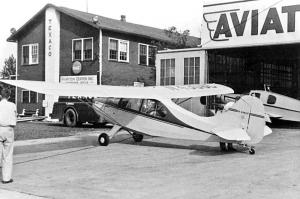
Signature is pretty highly thought of in the engine overhaul business, and, since its inception in 1998, Bill’s done magic with the business as well as with the place it calls home: Hangars 6 and 7, the two oldest and most historic buildings on the ’drome, sit directly across the south line ramp from my hangar. Ebby Lunken concocted the tale that the hangars originated in Chadun, an Allied airfield in France, during World War I, to be shipped home and reassembled two or three times in the States after the war. They are, however, clearly visible in early photos of Dayton’s McCook Field. When that site was replaced by the Army Air Corps’ Wright-Patterson Field, the 359th Observation Squadron moved them to Cincinnati — first to Grisard Field (later Blue Ash Airport) and then to their permanent home at Lunken Field around 1925. The hangars remained military property through the end of World War II, when Cincinnati was headquarters of the Air Corps Ferrying Command.