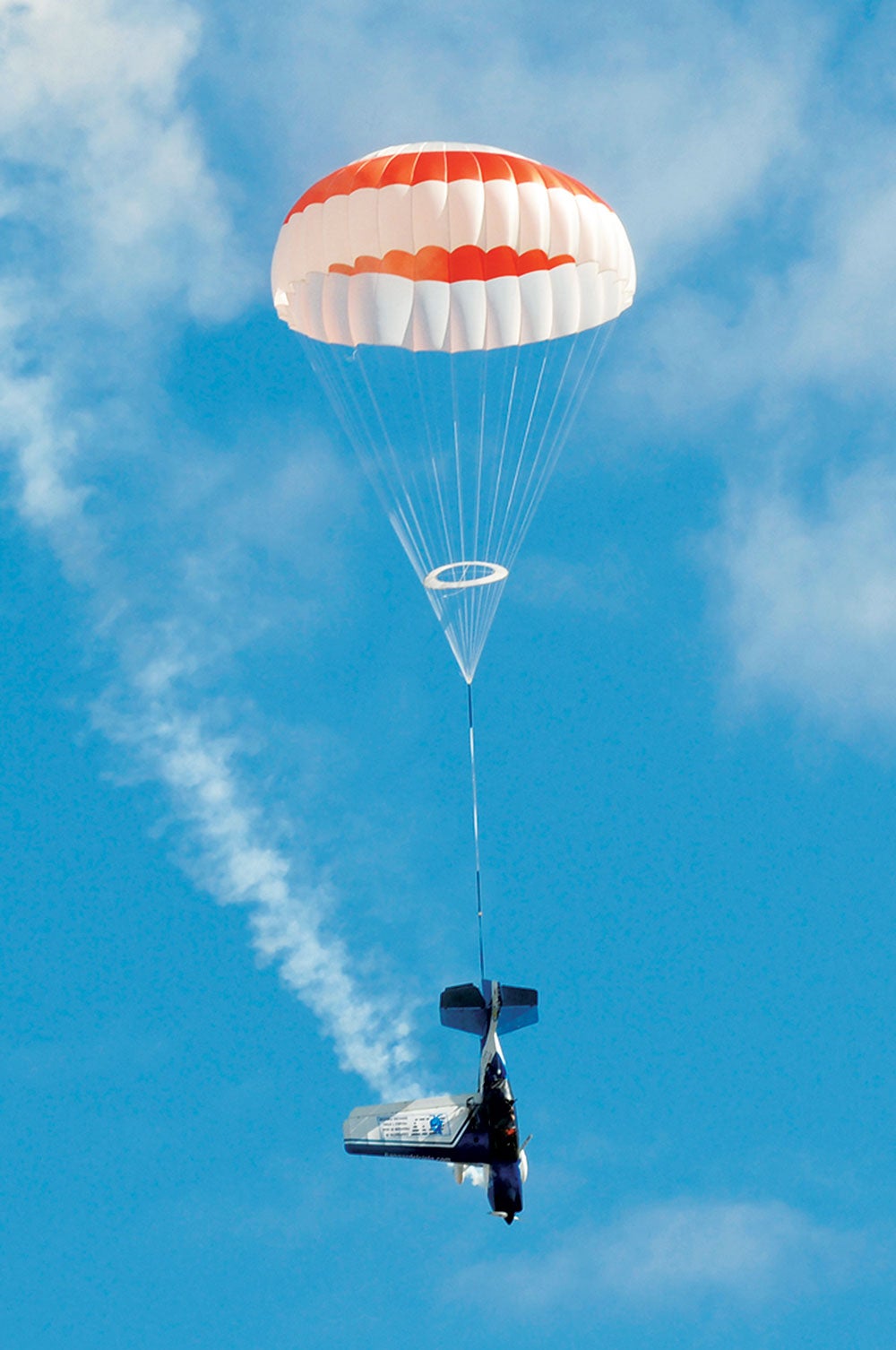
Whole airplane recovery systems, such as BRS, are designed to save lives during critical incidents like engine failure, as demonstrated by successful real-world deployments.
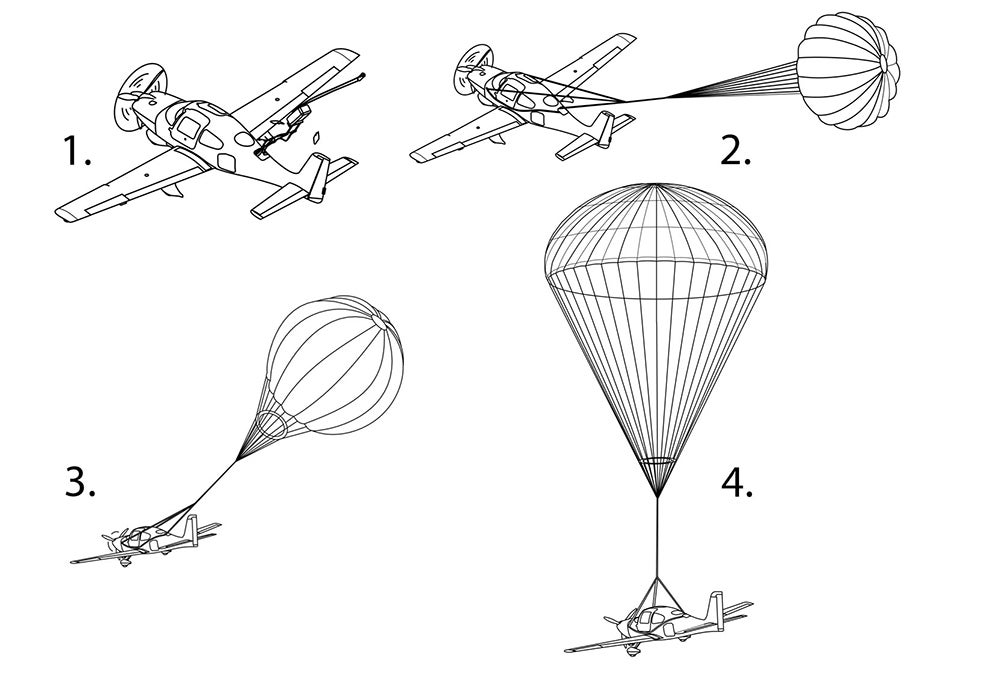
The system's deployment is a precise, multi-stage process initiated by a rocket, involving parachute extraction, inflation, and disreefing.
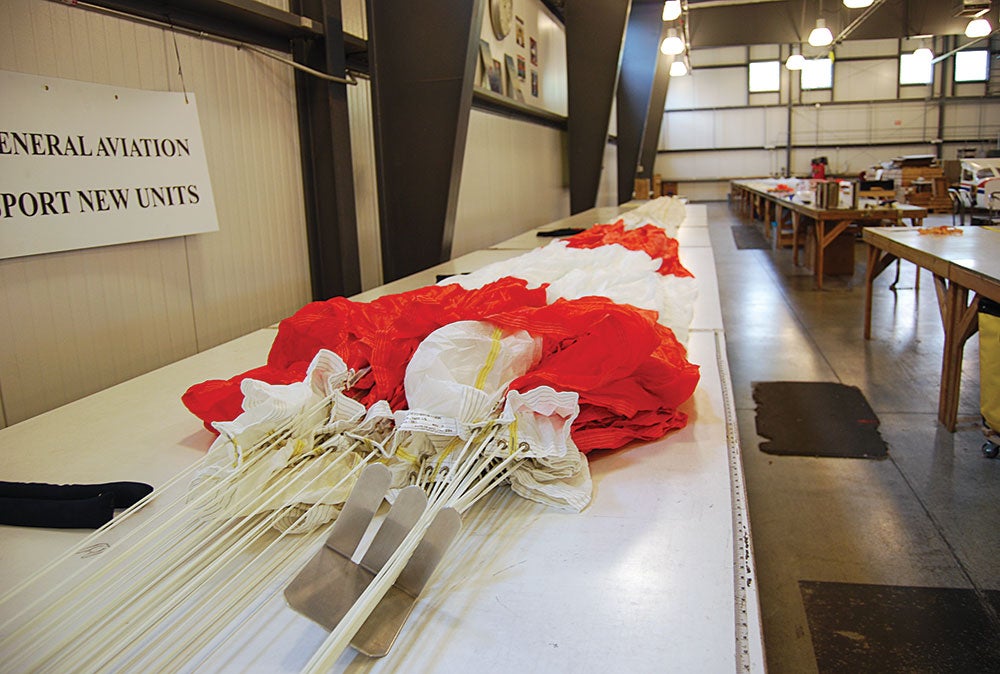
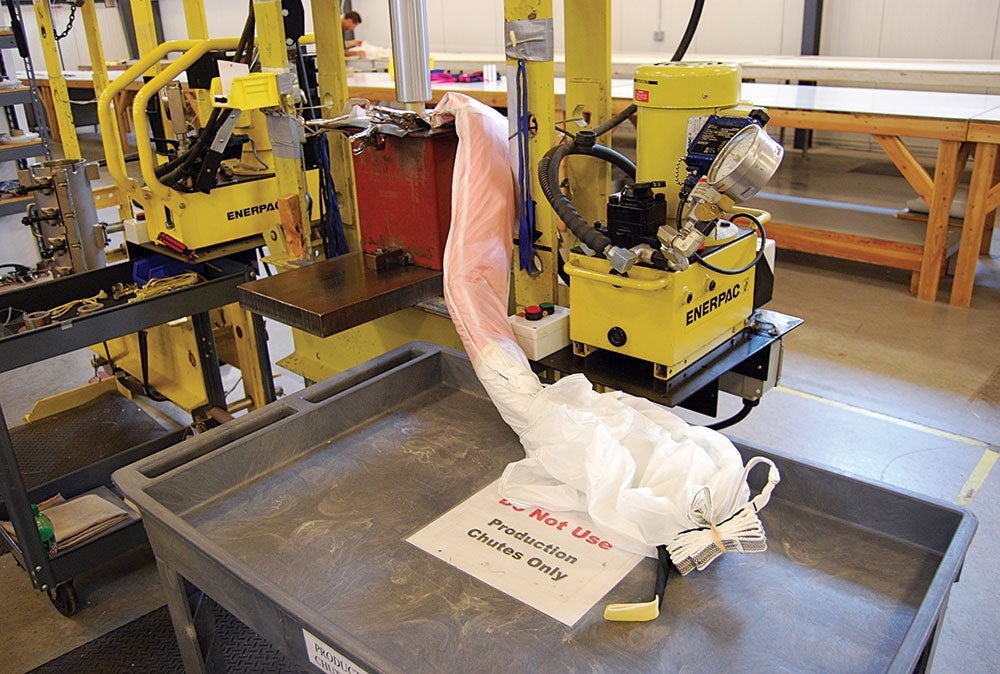
The parachutes require meticulous packing, including compression under extreme pressure, and involve a rocket fuel ignition module for deployment.
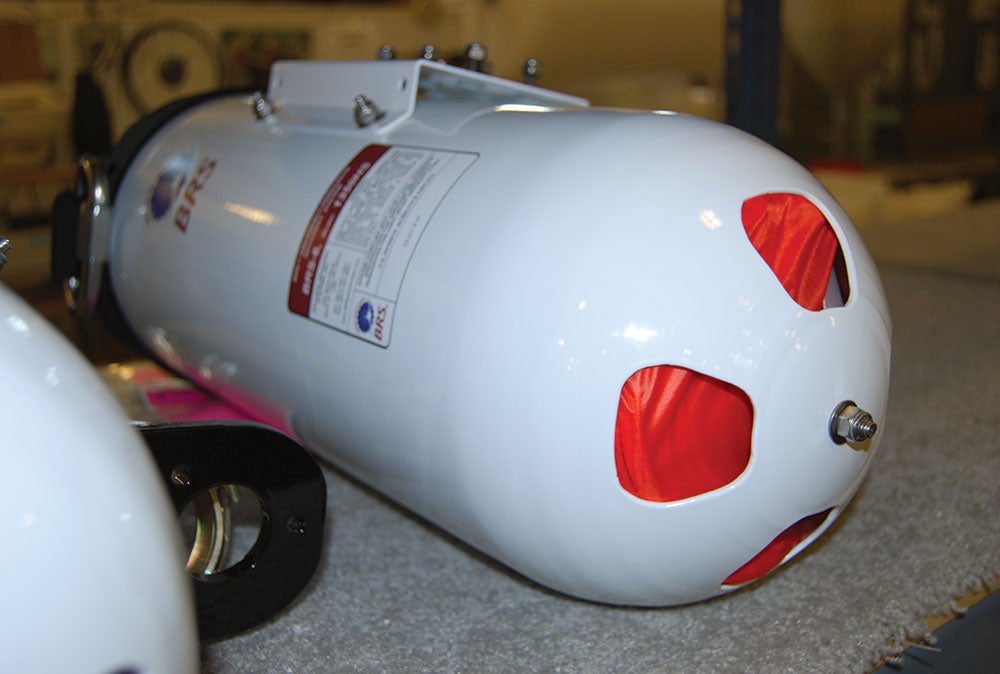
BRS systems are available in various forms, including nylon packs and canisters.
See what goes into whole airplane recovery systems and how they are saving lives one pull at a time.
Cirrus flier Dick McLaughlin has no regrets about pulling his chute after suffering an engine loss while flying over Bahamian waters with his daughter in 2012.The parachute packing process is a very precise science.**Chutes are compressed down to a small brick through the application of extreme pressure. ****There are several different BRS Systems; some come in nylon packs while others are canisters, like this one. **A technician inserts the rocket fuel into the ignition module.1. Rocket extraction, parachute extraction2. Line extention, initial canopy inflation, reefed parachute3. Parachute disreef4. Snub line releaseRead more about the benefits of BRS here.
CREATE A FREE ACCOUNT
Sign up to keep reading
Create a free account to continue. Already a member? Sign in below.


















 |
|
