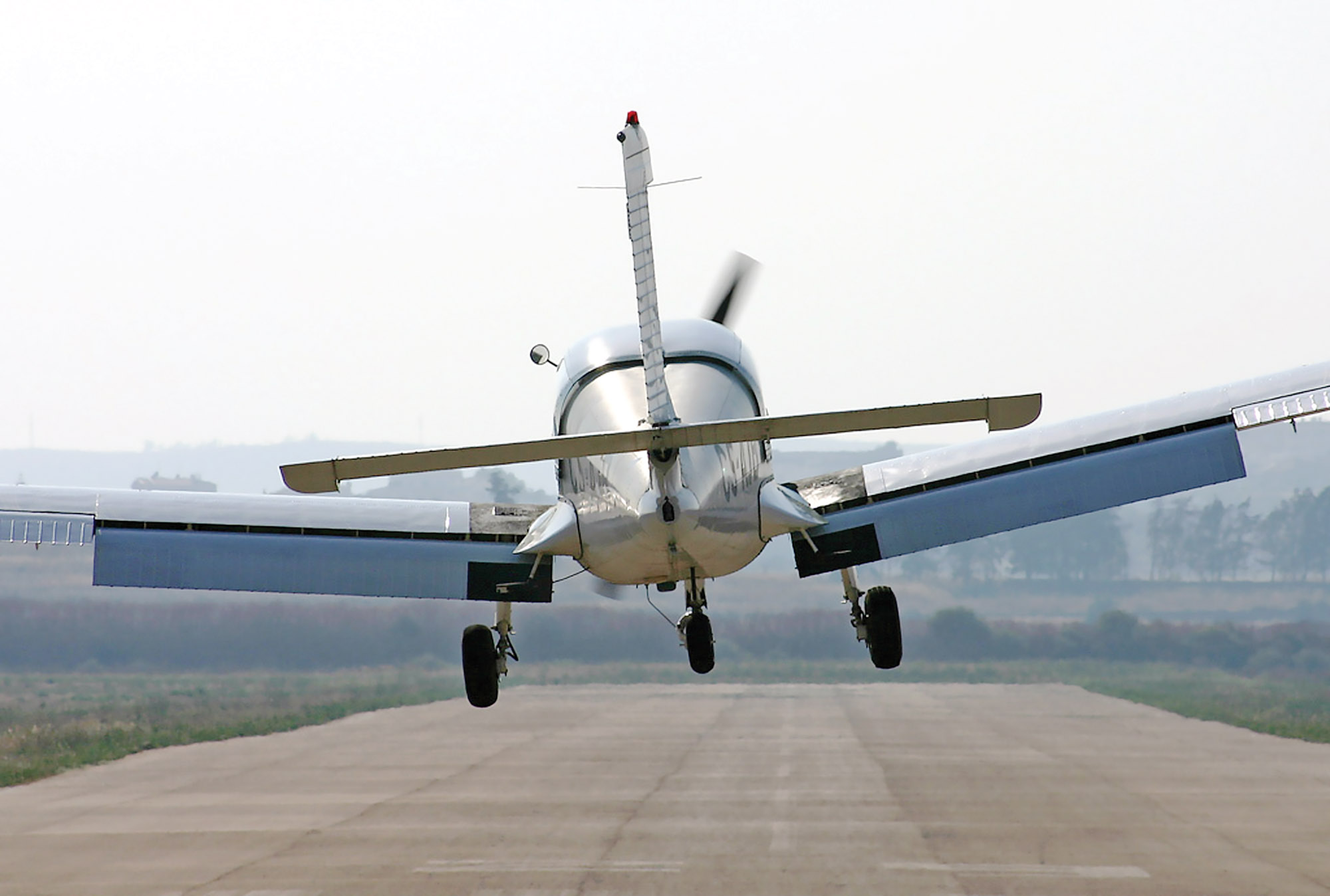
This image of a Morane Saulnier Rallye in the landing flare is by Jorge Santos.
Key Takeaways:
Safe landing performance requires evaluating multiple critical factors beyond just runway length, including runway width, slope, surface conditions (e.g., wet, icy), aircraft weight, and environmental variables.
Pilots must diligently use the Airplane Flight Manual (AFM) or Pilot's Operating Handbook (POH) for performance data, understanding its specific conditions, limitations, and potential ambiguities (e.g., partial flap data).
Effective landing technique involves strict adherence to POH procedures and exercising sound judgment, particularly when facing abnormal situations (e.g., no-flap landings) or conditions not fully detailed in regulations or manuals (e.g., extreme narrowness, poor braking action).
You’ve found that airport that you’ve never been to before, and now it’s time to land. If it wasn’t an abnormal situation, like an unplanned diversion, you analyzed the landing performance before you took off, right?
Landing performance is like a box. You measure length, width and height. Your task is to fit a moving object into that box, without scraping the edges.
CREATE A FREE ACCOUNT
Sign up to keep reading
Create a free account to continue. Already a member? Sign in below.