













Register

Limping Home At Night

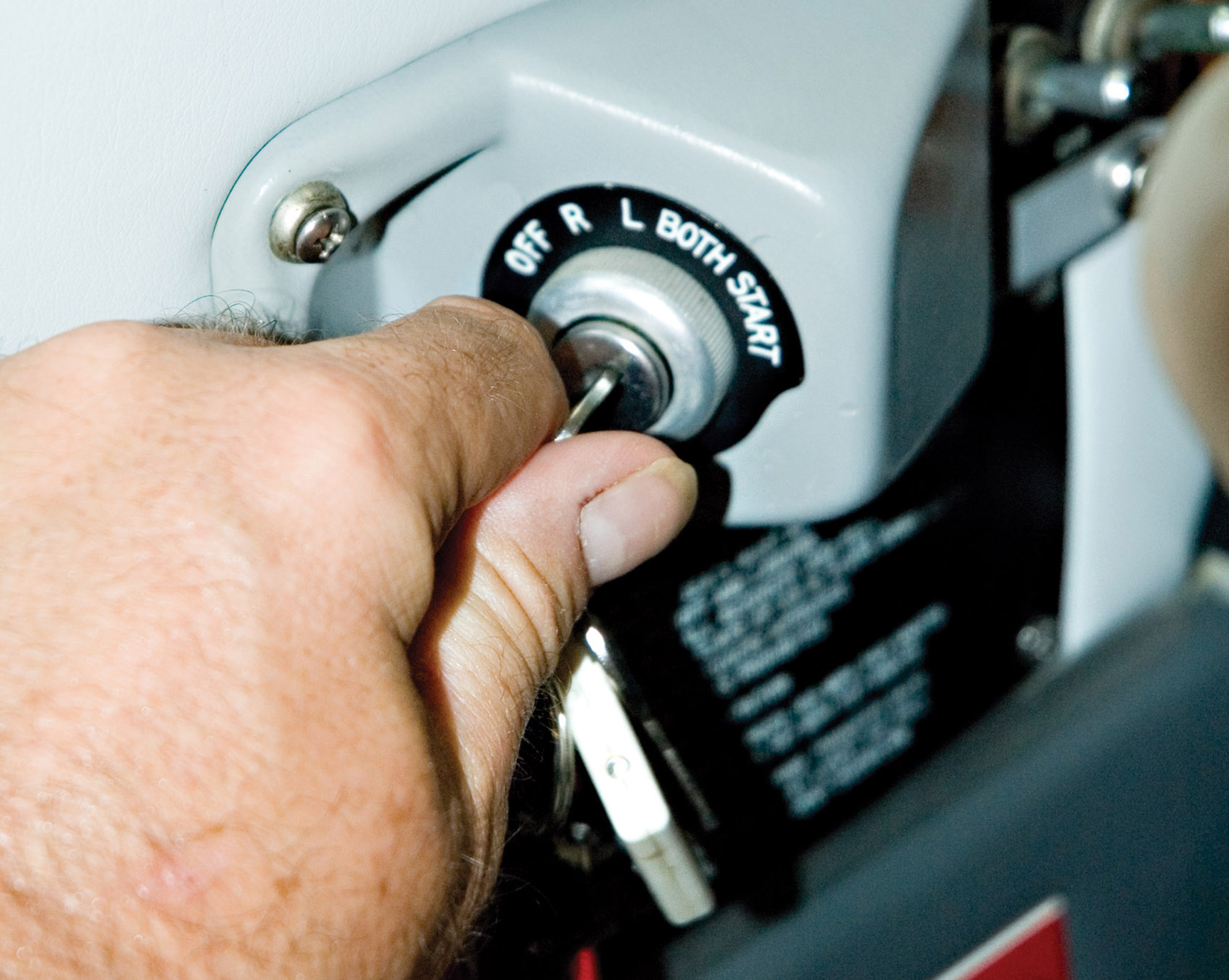
There’s a reason the typical aircraft piston engine has two magnetos, but this isn’t it.

Gemini Sparkle

Key Takeaways:

  • A pilot experienced a progressively failing magneto during a multi-day flight, which ultimately failed completely on the last leg home.
  • Despite the significant risk and lack of maintenance availability, the pilot chose to fly 45 minutes home at night on a single operational magneto.
  • The pilot acknowledged feeling extreme stress during the flight and immediately replaced both magnetos upon landing.
  • He concluded that the risk and stress were not worth the decision and advises other pilots against taking such an unnecessary risk.
See a mistake? Contact us.

The trouble started on the outbound day of a multi-day, multi-leg trip that took me well beyond the Mississippi River from the U.S. East Coast. Along the way, I’d picked up a passenger and we’d worked and played together for a few days, but now we were heading home.

The “trouble” was a rough-running magneto. It managed to get through pre-takeoff magneto checks, but was clearly running ragged. I’d had it looked at during an overnight, but there was nothing that facility could do except confirm there was a problem. Starting was fine, and so was most of its in-flight operation, but it was intermittent occasionally. It was the first thing on my maintenance agenda when I got back to the airplane’s base. But first I had to get there.


Ready to Sell Your Aircraft?

List your airplane on AircraftForSale.com and reach qualified buyers.

List Your Aircraft
AircraftForSale Logo | FLYING Logo
Pilot in aircraft
Sign-up for newsletters & special offers!

Get the latest stories & special offers delivered directly to your inbox.

SUBSCRIBE