













Starry, Starry Night

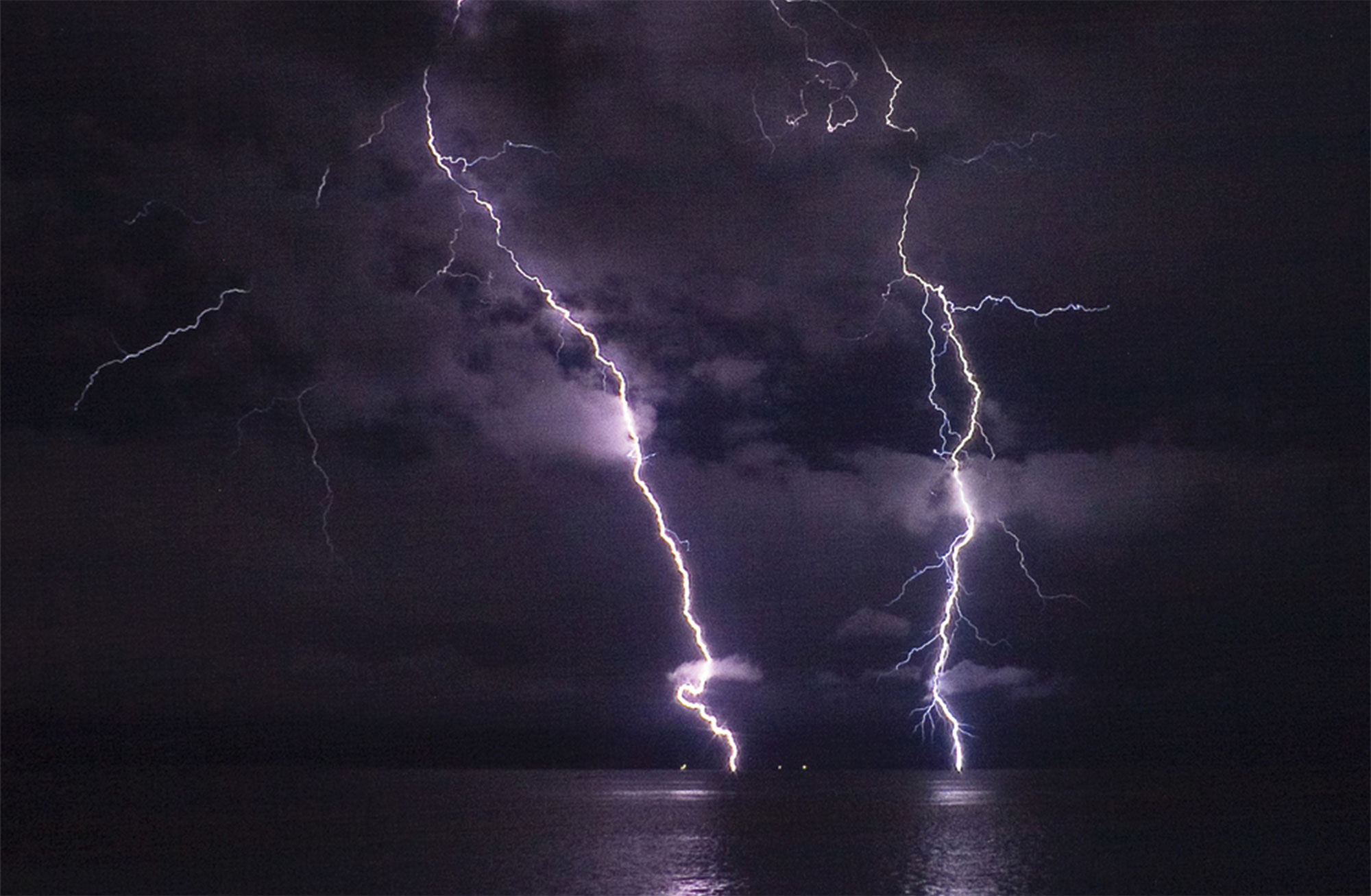
Dodging thunderstorms over the Everglades at night in a single. What could go wrong?

Gemini Sparkle

Key Takeaways:

  • A pilot spontaneously agreed to fly friends to Key West, leading to a challenging night return flight over the dark Everglades.
  • Despite checking weather, he was surprised by lightning and storms, highlighting a lack of pre-flight terrain and dynamic weather awareness.
  • The pilot made a questionable decision not to climb for ATC assistance, citing an irrational fear of the bends from snorkeling.
  • He successfully navigated the storms by observing star visibility, ultimately learning valuable lessons about disciplined planning and avoiding impulsive commitments in aviation.
See a mistake? Contact us.

So I shot off my mouth one night among some friends at their Florida beach house. I had flown a Lance down for the holiday weekend, empty, and the friends were curious about small planes. Alcohol may have been involved, but I heard my voice volunteering to pop down to Key West the next day from Clearwater.

When we woke up the next morning, they remembered, so I had little choice but to load up the three friends and launch for Key West. We flew down the coast to Marathon, staying close to land, and then followed the Keys to the end. The flight was uneventful, and soon the boys were snorkeling and the girls shopping. We regrouped later for dinner and headed to the airport, arriving around dusk.


I was current at night and had been refueled. When I checked weather before takeoff, there were no radar echoes. The area forecast offered mostly clear skies with a chance for isolated showers. There was no need to file IFR. We took off well after sunset, heading east to Marathon at 2500 feet to retrace our flight down, and then turned north to stay over land.

It was like someone had turned out the lights. There was no illumination on the ground, only the stars in the sky. I was current on instruments, and the autopilot was working well, so we weren’t at any risk of losing control. That’s when it hit me: There are no lights in the Everglades. “You’re flying over the Everglades at night in a single, dummy,” I said to myself.

Right about then, a lightning strike a few miles off the left wing reminded me of the chance for showers over this part of Florida.

I was reluctant to climb and talk to ATC for vectors or an IFR clearance around the storms. My friend and I had gone fairly deep a few times on our snorkeling trip, and I was worried we might be risking the bends if we flew higher. Probably irrational, but that’s why I didn’t climb and get some help avoiding the storms.

Instead, I figured out very quickly that the dark spots in the sky, where there were no stars showing, is where the dissipating storms were. Keep it pointed toward the stars and there shouldn’t be a problem.

And there wasn’t. We soon passed over the Everglades and were back above civilization. The rest of the flight back was smooth and drama-free.

I admit to not paying close attention to the terrain I was flying over, at night in a single. The storms surprised me, but I had been warned. I learned lots, but mainly I learned not to shoot off my mouth about flying to Key West.

Ready to Sell Your Aircraft?

List your airplane on AircraftForSale.com and reach qualified buyers.

List Your Aircraft
AircraftForSale Logo | FLYING Logo
Pilot in aircraft
Sign-up for newsletters & special offers!

Get the latest stories & special offers delivered directly to your inbox.

SUBSCRIBE