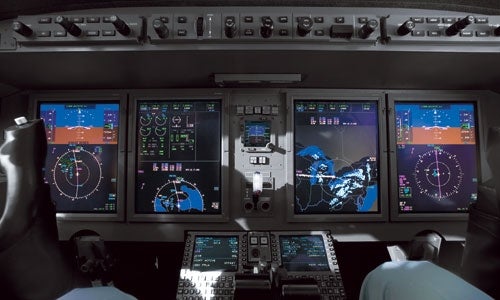
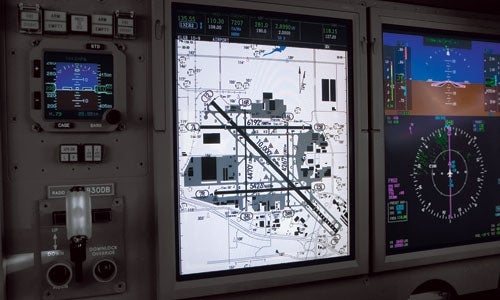
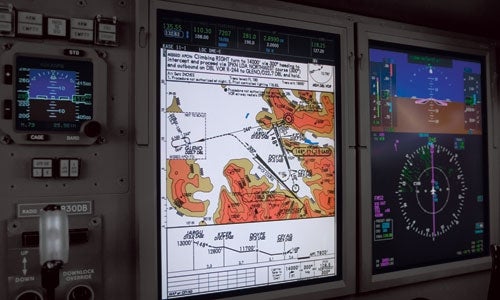
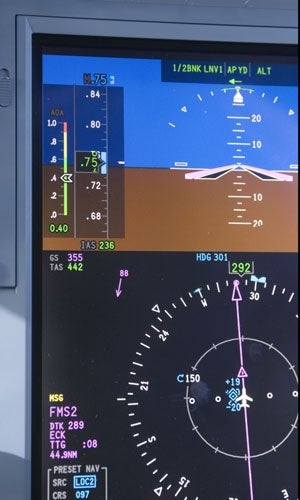
The Gulfstream G150 is equipped with an advanced PlaneView avionics system, featuring a Cursor Control Device (CCD) and four large displays that provide comprehensive flight information including XM Weather, graphical terrain, airport diagrams, and real-time wind data.
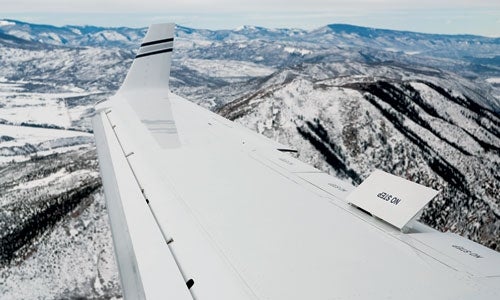
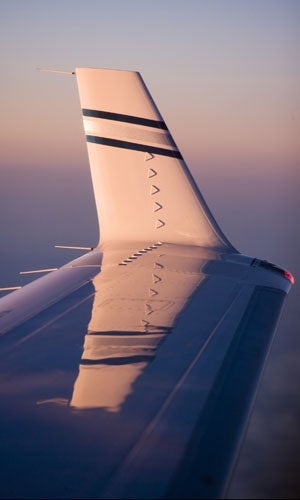
Aerodynamic design enhancements, such as uniquely shaped engine mounting pylons and vortex generators, contribute to reduced drag and improved efficiency, while leading-edge slats, flaps, and spoilers offer precise speed control for various flight conditions.
The aircraft's cabin is designed for comfort and productivity, offering spacious club seats, a divan, and a well-appointed lavatory, suitable for both relaxation and work during flights.
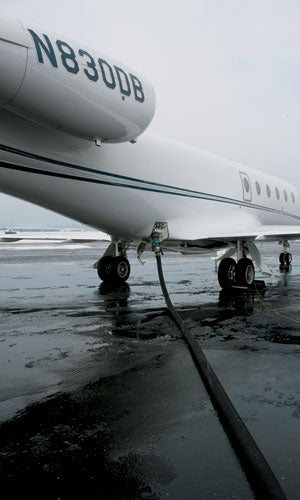
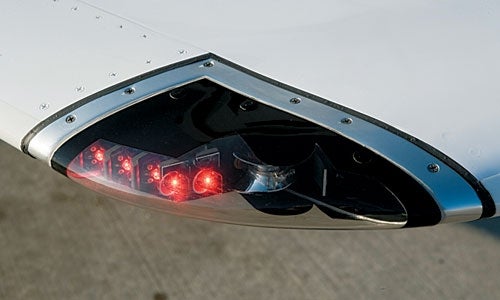
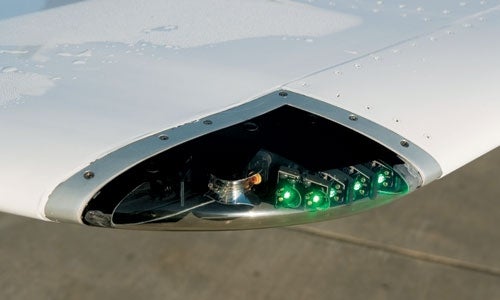
Operational features include a high-pressure single-point refueling port and long-life LED wingtip position lights, emphasizing reliability and convenience.
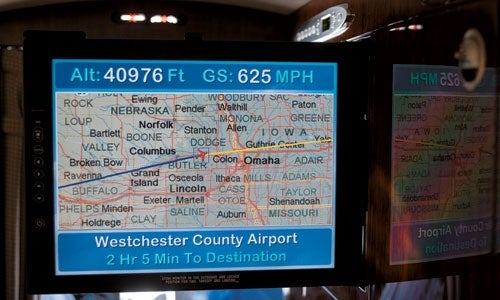
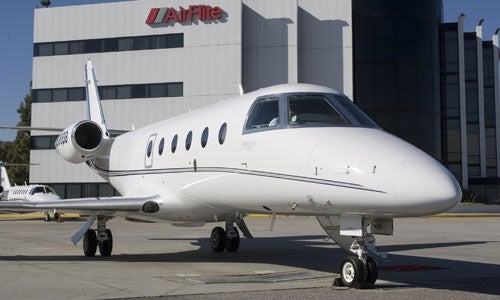
Mac McClellan with G150 Chief Test Pilot Scott EvansThe Gulfstream exclusive cursor control device (CCD) allows G150 pilots to control what they see on the four huge displays of the PlaneView avionics system. XM Weather shows we are leaving the snow behind, but the bad news of 88 knots of headwind shows on the primary flight display.The information database includes airport diagrams.Terrain is graphically represented on the multifunction display.Gulfstream’s Robert Baugniet and Lor Izzard chat with demonstration pilot Wendi Sparks as they relax in the aft club seats, while G150 program boss Stan Dixon spreads out on the forward divan to work with his laptop.The cabin display shows the G150 making fast tracks over Nebraska on the way from Aspen to Westchester County.The G150 loads up on fuel at Westchester via its high-pressure single point refueling port.On the steep descent into Aspen, leading edge slats, flaps and one panel of the spoilers are deployed to control speed. Two spoiler panels on each wing can be used in flight, and all four pop up automatically after touchdown.The swooping shape of the engine mounting pylons smooths the flow of air between the engines and fuselage to deliver a measurable reduction in drag.New LED wingtip position lights promise many thousands of hours of life, and can even meet the FAA requirements with any individual element burned out.New LED wingtip position lights promise many thousands of hours of life, and can even meet the FAA requirements with any individual element burned out.Gulfstream G150, on the ground in sunny California.Pilot Wendi Sparks supervises servicing in AspenSmall triangular vortex generators on the outboard wing and winglet keep air flowing smoothly aft in another drag control measure.The lav is well appointed.The PFD shows the wind is right on the nose, and strong at 88 knots.
CREATE A FREE ACCOUNT
Sign up to keep reading
Create a free account to continue. Already a member? Sign in below.





















 |
|
