











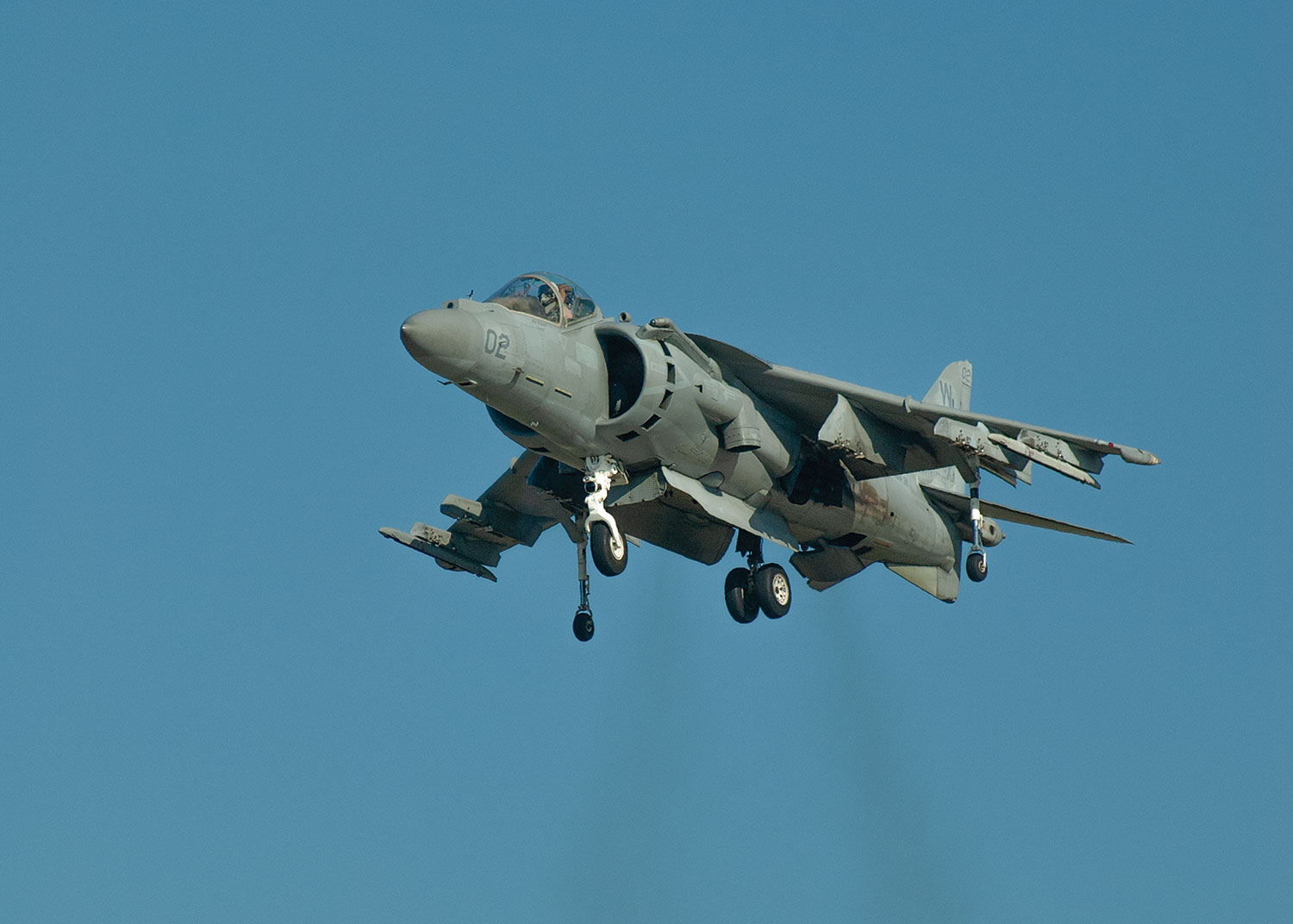


Hover Mode Cooling
Having long been a lean of peak (LOP) exhaust gas temperature (EGT) advocate (25 years), I think some further explanation to Andrew Strauss and some of your other readers about that form of mixture control might be in order (Unicom, August 2024).
First of all, not everyone has mixture distribution that is well balanced enough between all their engine’s cylinders to run lean of peak with smooth engine operation. If they do, then it should definitely help.

Second, I’m not sure how many pilots out there fully understand the meaning of “when you run lean of peak, you’re cooling with air and rich of peak, you’re cooling with fuel.” I’m aware that the last few years have led to greater understanding of the advantage and implementation of the concept, but misconception is still present for some.
—Jim Piper, Via email
We’ve done some recent feature articles on mixture management, including November 2019’s, “Lean Of Peak EGT.” There’s also July’s “Using The Red Knob To Manage Piston Engines.” It’s at here.
The basics work like this: When well rich of peak EGT, the combustion event is not as efficient as it is at leaner settings and is relatively cool. As the mixture is leaned, the fuel/air mixture contains less fuel but the same amount of air. It gets more efficient but also generates more heat. Lean it enough and you reach what is known as peak EGT, when the combustion event generates the most heat. When leaning beyond peak EGT, the combustion event becomes cooler than at peak. Essentially, we’re cooling the engine with air instead of fuel while still making respectable power.
Crash Or Accident?
On reading Jeb’s August 2024 Editor’s Log, I noted that John Zimmerman used the term “crash” while later in the article Jeb used the word “accident.”
Very early in the 20th century when most automobile crashes were related to poor automotive quality, their corporate attorneys knew words matter. So they deliberately changed the narrative from “crash” to “accident” to shift the blame away from their corporate clients.
Maybe Aviation Safety should, consistent with the theme of the article, do the opposite and also start calling them crashes?
—David Shepherd, Via email
I was somewhat involved in federal transportation policy at the end of the last century and basically saw the exact opposite. Some interests thought the term “accident” implied nothing could be done about the event because we’re all human and humans make mistakes. On a macro scale, stuff happens, and no one really is to blame. Other interests took the position that accidents had underlying causes and, if we addressed those causes, we could eliminate both the accident and the idea that nothing could be done. So an accident was not really accidental, and another word needed to be found. They settled on “crash.”
But that’s not why I used “accident.” Instead, I use the National Transportation Safety Board’s definition: “‘Aircraft accident’ means an occurrence associated with the operation of an aircraft which takes place between the time any person boards the aircraft with the intention of flight and all such persons have disembarked, and in which any person suffers death or serious injury, or in which the aircraft receives substantial damage.”
Ultimately, though, I think it’s a distinction without a difference, and, whatever we call such an event, there are too darn many of them.
