













Register

Playing Slow Flight For Keeps

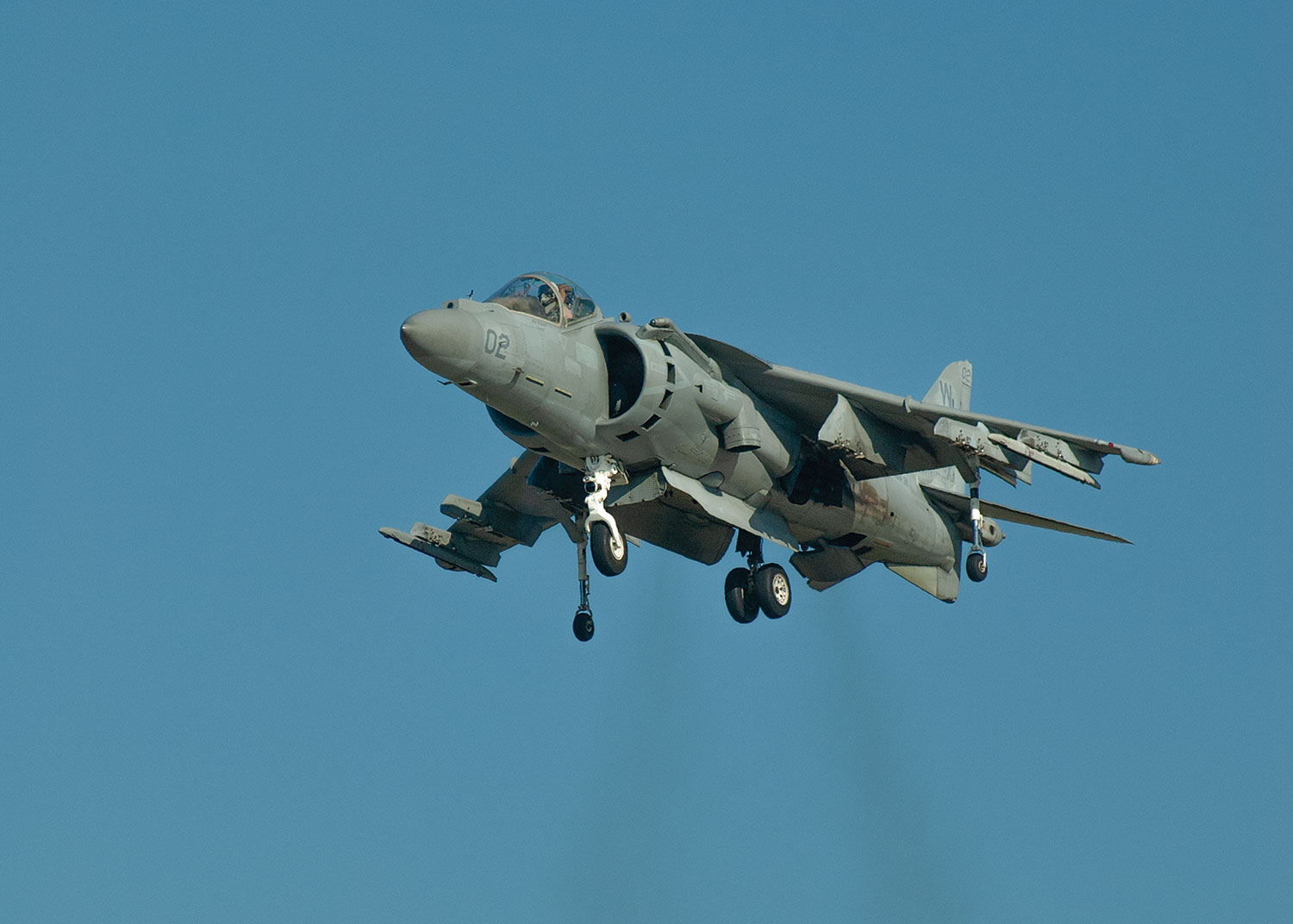
When you absolutely, positively want to delay your landing for slower traffic ahead of you, use hover mode.

Gemini Sparkle

Key Takeaways:

  • Slow flight training is foundational for understanding aircraft behavior near stalls, essential for safe landings and optimal takeoffs.
  • The article introduces "Hover Mode" as an operational technique, applying slow flight skills to manage air traffic conflicts in the pattern by intentionally slowing down to create spacing.
  • Effective and safe use of "Hover Mode" requires regular practice with an instructor, focusing on precise pitch/power control, careful configuration changes, and maintaining a safe airspeed while avoiding steep bank angles.
See a mistake? Contact us.

If your primary training was like mine, you spent many of your earlier flight hours going slow. Hanging-on-the-prop slow, as your CFI struggled to teach you things like managing pitch and power, the region of reversed command, stall buffets and other warnings, and stalls/recoveries themselves. If you’re lucky, someone also trained you in spins along the way. Much of this training typically is lumped into a “slo flt” entry in your logbook’s remarks section.

Once you and your instructor started seriously working on landings, the reason for slow-flight training became clearer. Knowing how the airplane will react when it’s slow is one of the keys to making consistently good landings. It’s also important when conducting maximum-performance takeoffs, like soft- and short-field work.


Ready to Sell Your Aircraft?

List your airplane on AircraftForSale.com and reach qualified buyers.

List Your Aircraft
AircraftForSale Logo | FLYING Logo
Pilot in aircraft
Sign-up for newsletters & special offers!

Get the latest stories & special offers delivered directly to your inbox.

SUBSCRIBE