











Airline Transport Pilots (ATPs) outnumber Certified Flight Instructors (CFIs) by better than 3 to 2 (152,933 to 100,993 at the end of 2014 the FAA says). That gap may narrow as rules adopted in 2013 mandate U.S. airline pilots possess an Airline Transport Pilot (ATP) rating, which in most cases requires a minimum of 1,500 flight hours. Flight instruction provides opportunities to build needed flight time while honing skills at salaries commensurate with regional airline pay.
How to Become a Pilot
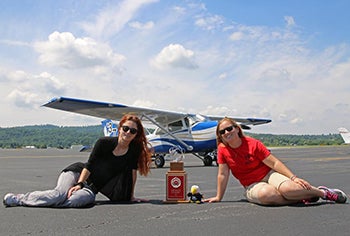
successfully takes flight at Embry-Riddle.

Key Takeaways:
- Flight instructing serves as a strategic and increasingly financially competitive pathway for aspiring airline pilots to meet the FAA's 1,500-hour ATP requirement, often offering pay comparable to entry-level regional airline salaries and good benefits.
- A formal aviation education, exemplified by institutions like Embry-Riddle, is highlighted as a critical foundation for success in the demanding journey toward an airline career.
- While the career prospects for airline pilots are bright due to impending retirements, perseverance and dedication are essential, with some pilots also exploring diverse aviation roles beyond major airlines.
Key takeaways sponsored by Aviator Pro | Start Your Training ->
See a mistake? Contact us.

