











Think about all of the decisions a pilot makes every moment he or she is in command — choices that must fit together just so to ensure a safe flight. Sometimes the choices are simple, like correcting for a gusty crosswind in a light trainer. Other times they’re considerably more challenging, like successfully controlling an airliner when the electric trim goes nuts. Of course, there are thousands more decisions in between these extremes.
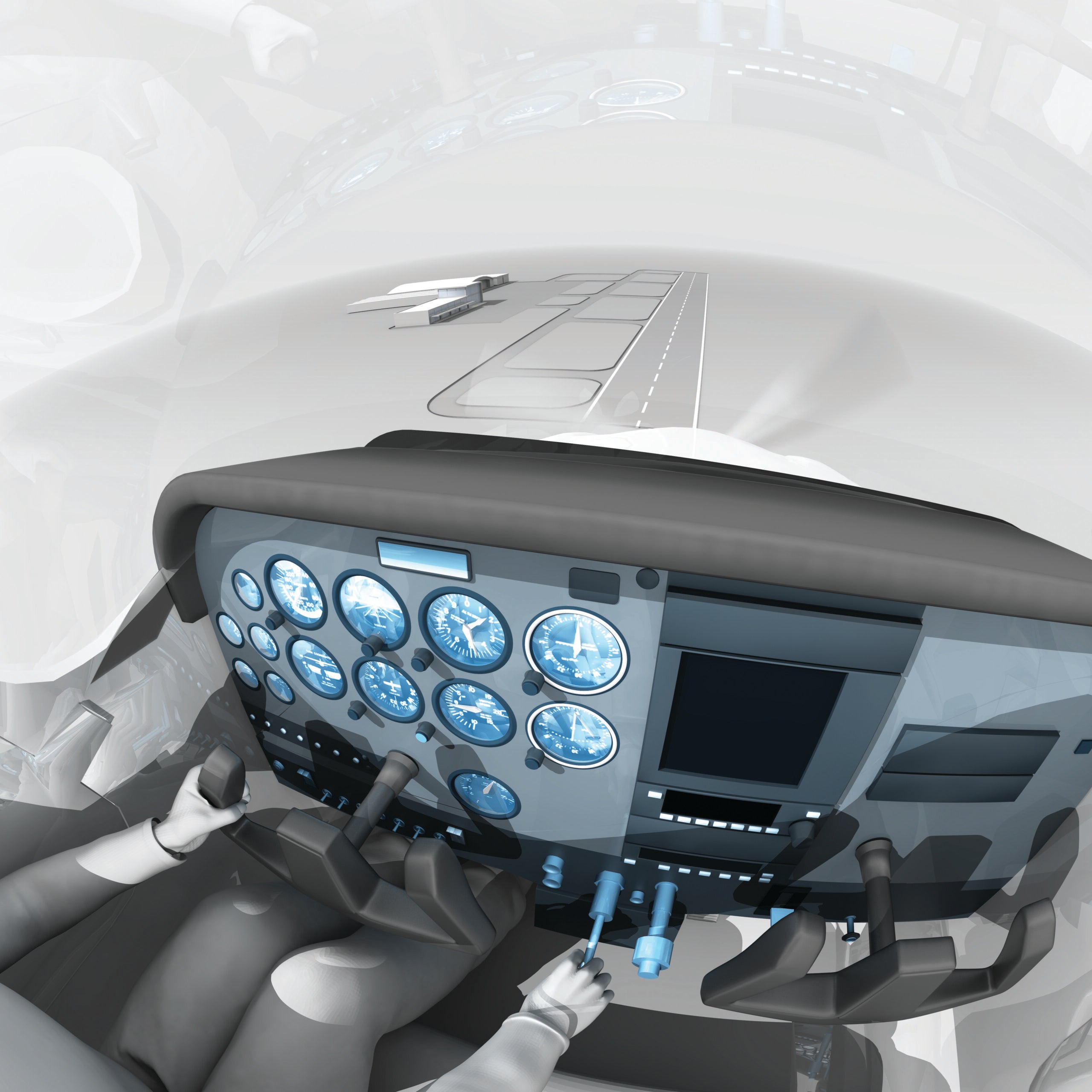
Mastering the Go-Around

Key Takeaways:
- Pilots frequently struggle with the decision to execute a go-around and its proper execution, often due to insufficient or unrealistic training and a reluctance to admit an unstabilized approach.
- Numerous accidents are directly attributed to pilots failing to initiate a go-around when necessary or executing the maneuver incorrectly, sometimes complicated by misunderstandings of aircraft automation.
- The article advocates for more comprehensive and realistic go-around training, emphasizing both the decision-making process and methodical execution, and encourages pilots to treat go-arounds as a normal and critical flight segment.
Key takeaways sponsored by Aviator Pro | Start Your Training ->
See a mistake? Contact us.

