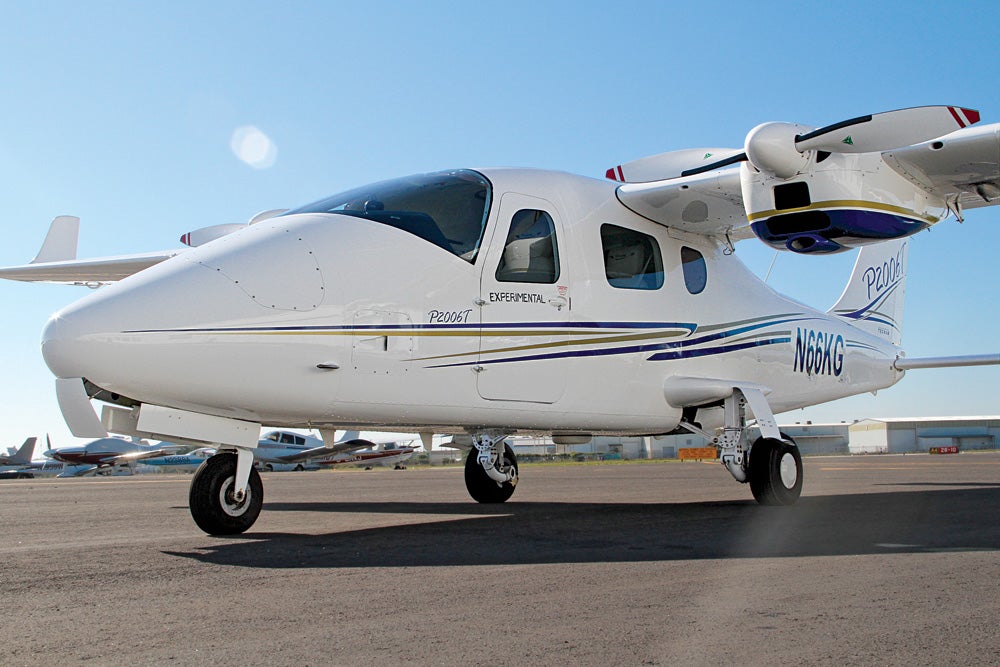
The Tecnam Twin signifies Tecnam's strong potential and successful entry into the multi-engine aircraft market, expanding from its single-engine piston origins.
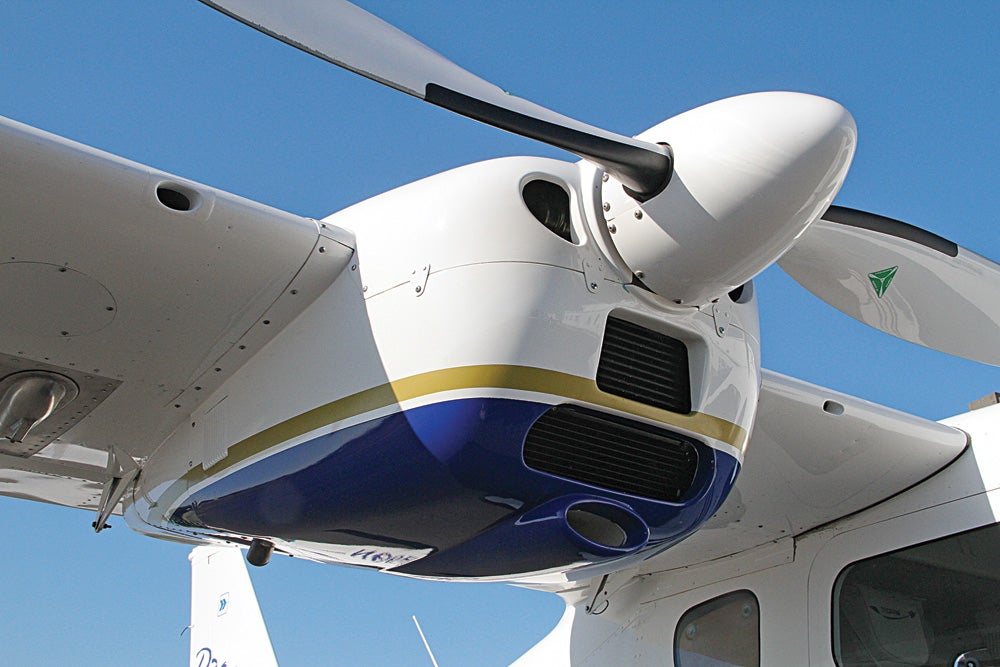
It is equipped with Rotax 912 S3 engines that can run on mogas and even ethanol-based fuel, offering significant operational benefits and fuel flexibility in international environments.
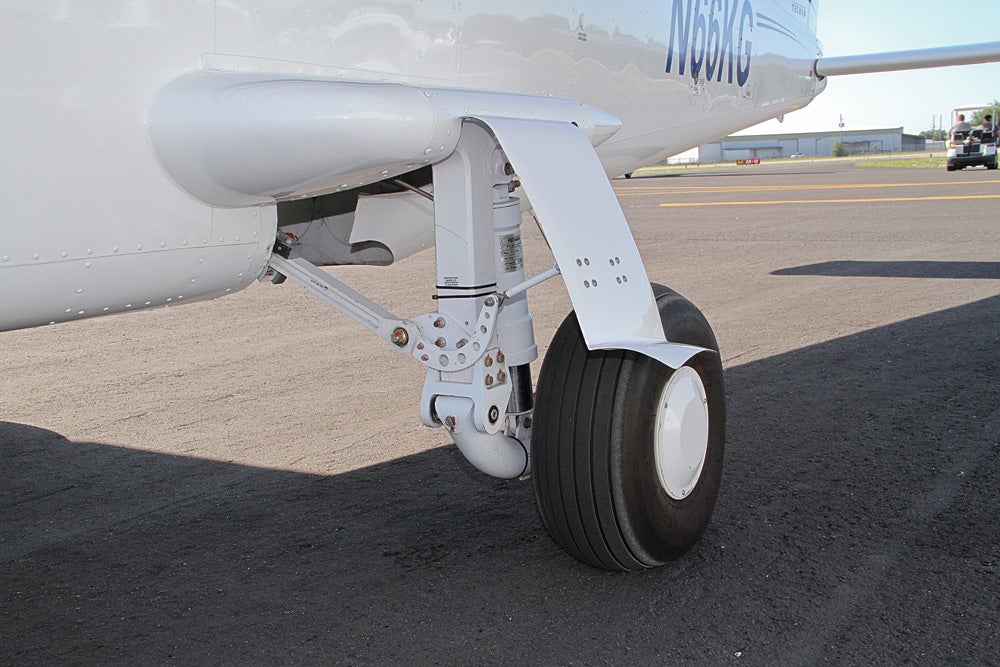
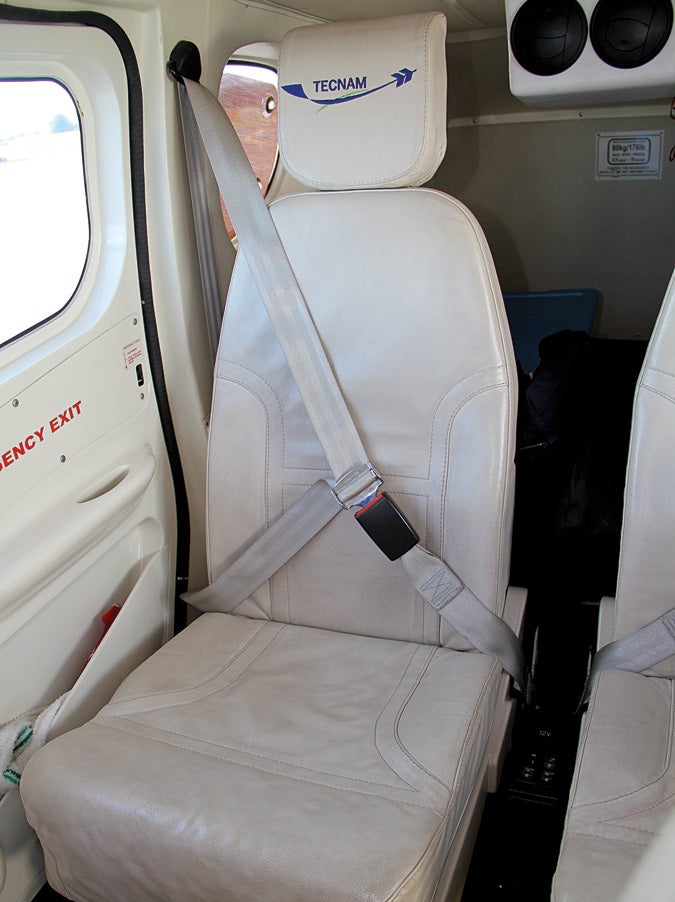
The aircraft prioritizes passenger experience with features like trailing-link landing gear for smooth landings and a spacious two-seat aft cabin offering ample legroom.
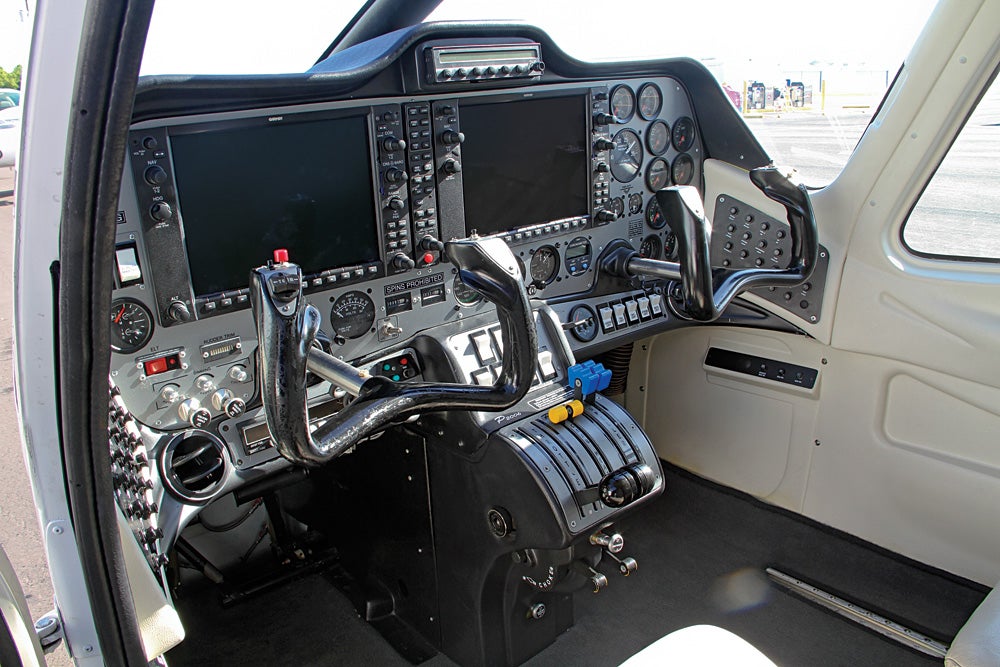
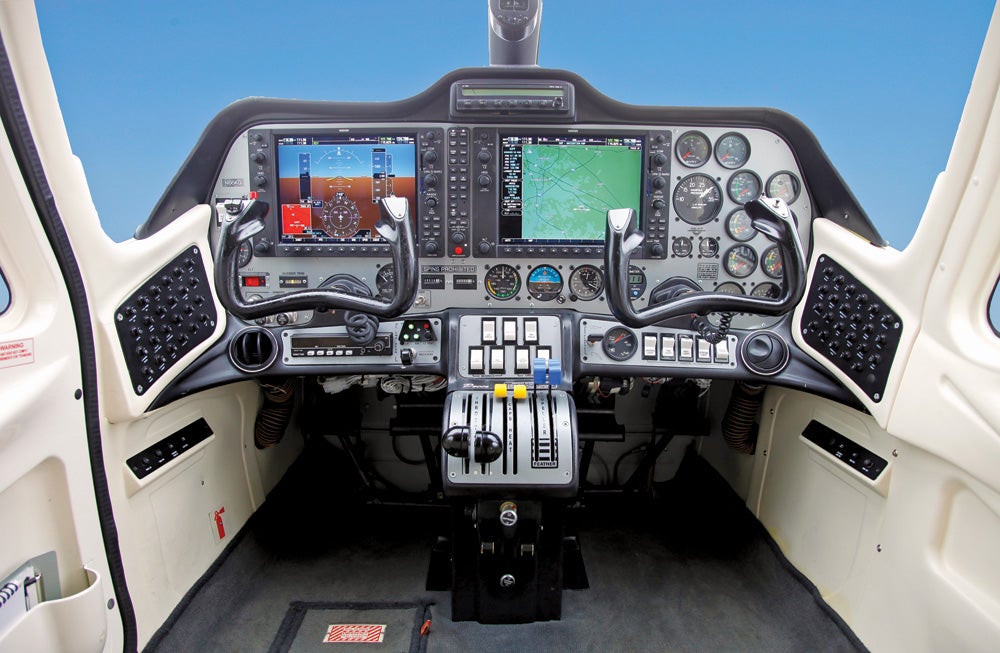
Tecnam offers flexibility in avionics, allowing customer choice, with the Garmin G950 system being a common selection.
The Tecnam Twin shows that the company known for its single-engine pistons has a good chance to make it in the multi-engine realm as well.
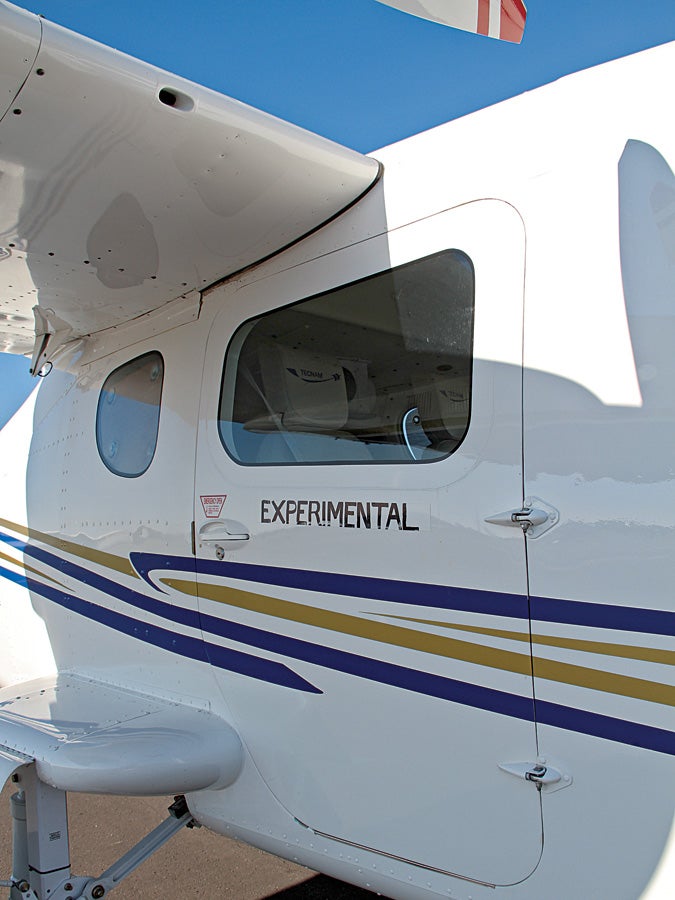
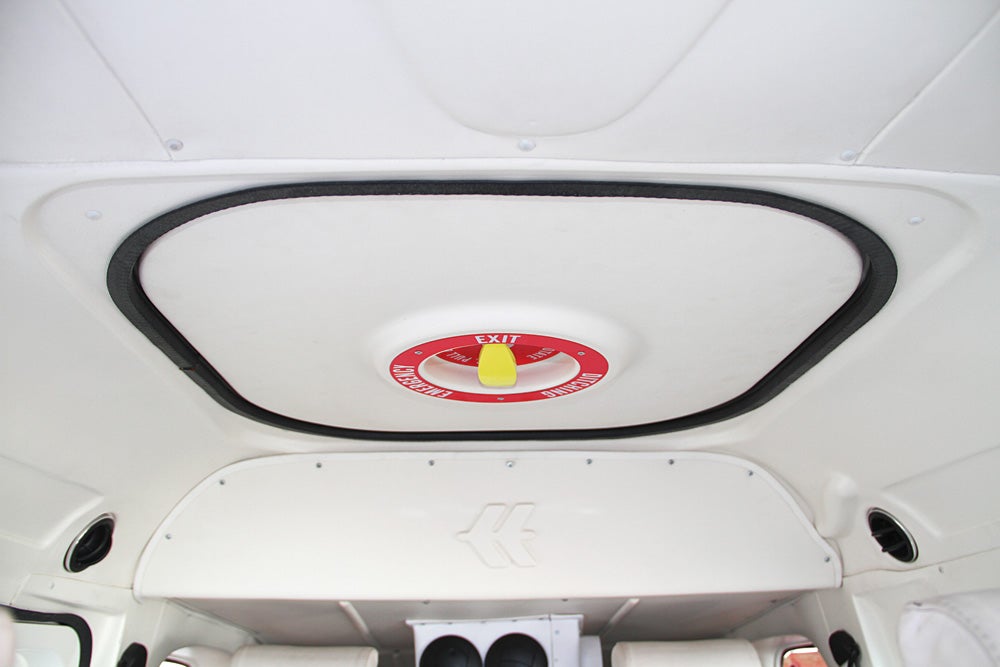
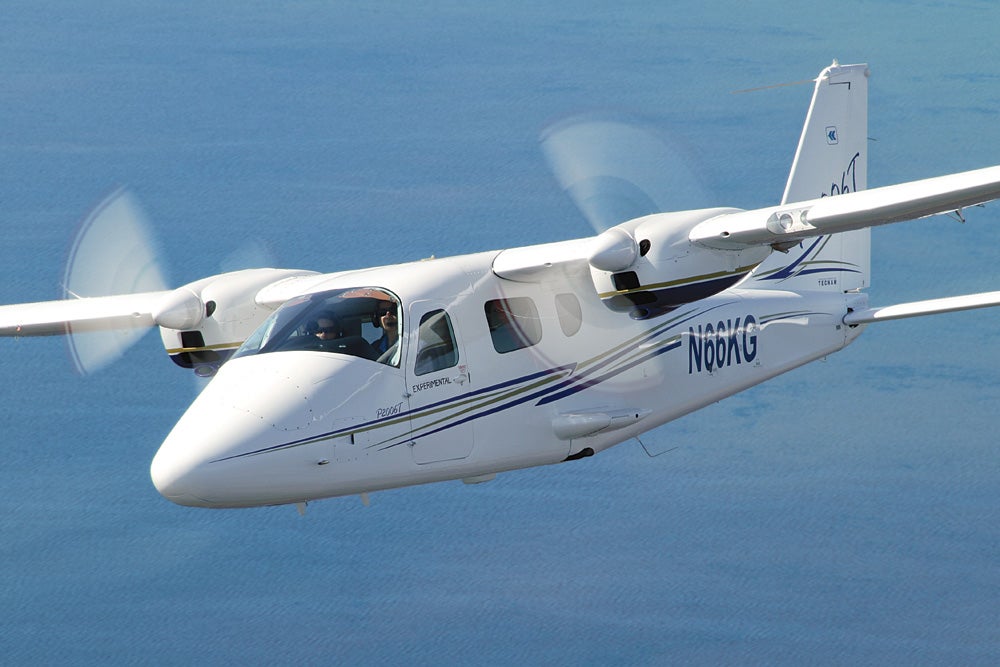
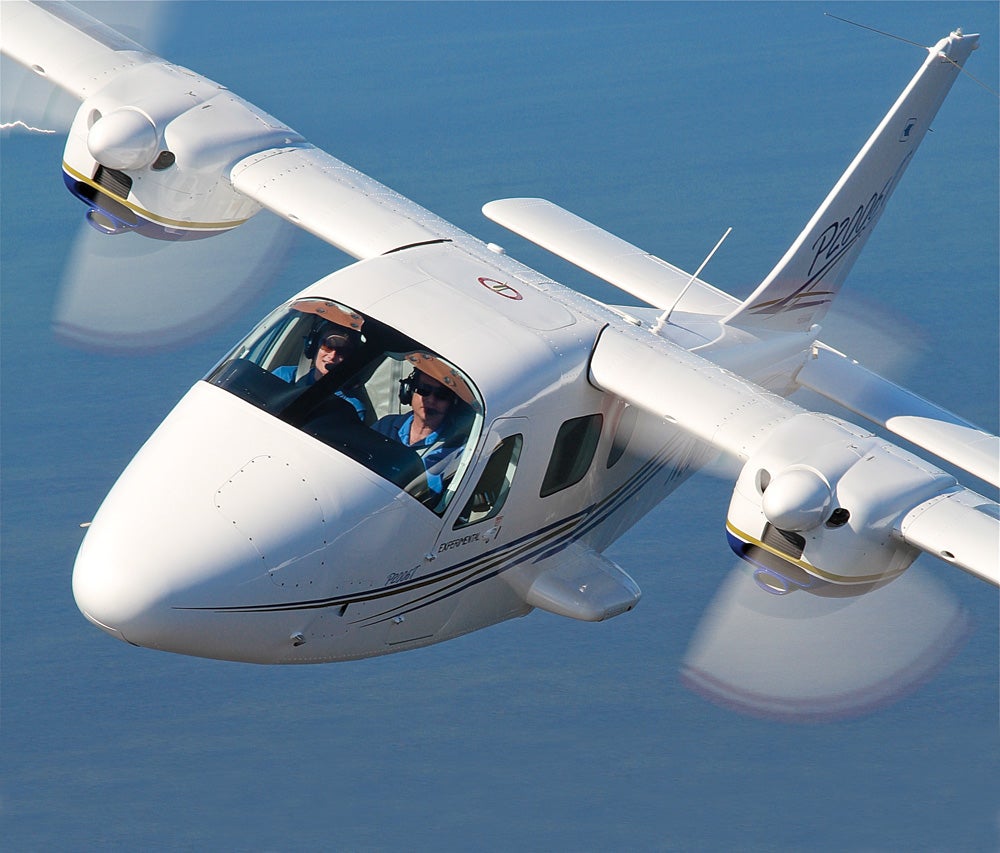
The Rotax 912 S3 engines prefer mogas and can even be operated using ethanol-based fuel — a huge benefit in international environments.Trailing-link landing gear makes for smooth landings and happy rear-seat passengers.Though the passenger area is smaller than in typical multiengine airplanes, there is plenty of legroom for the nonflying occupants, since there are only two seats instead of the typical four in the aft cabin.When it comes to avionics, the philosophy at Tecnam is flexibility.Tecnam leaves the choice of avionics to the customer, but the most common selection is Garmin’s G950 system.Ingress and egress for the rear part of the cabin is easy with the large aft cabin door. The airplane flown for this story was used for FAA certification, hence the experimental placard.While the Tecnam Twin is made of aluminum, its fuselage is aerodynamically streamlined and the small engine cowls minimize drag.A third emergency exit is located in the ceiling, should the main doors get compressed during a forced landing.For more on the Tecnam Twin, check out Pia’s in-depth feature, “The Tecnam P2006T.****”
CREATE A FREE ACCOUNT
Sign up to keep reading
Create a free account to continue. Already a member? Sign in below.
















 |
|
