













Register

Propeller Theory 101

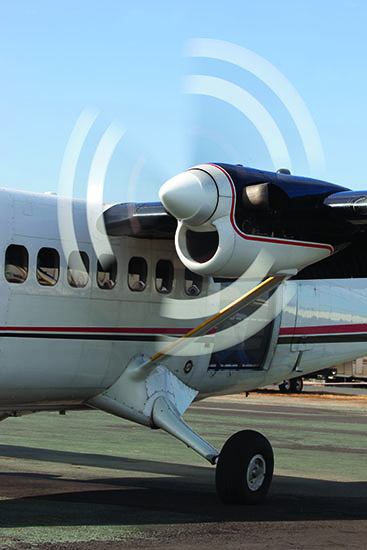
On The Cover: The spinning left propeller of a de Havilland Canada DHC-6 Twin Otter, which appears to be configured for skydiving, is a great way to introduce this month’s cover article, on propellers. For all the deets, check out Jim Wolper’s piece beginning on page 16. Image is an Adobe Stock photo by Terrance Emerson.
Gemini Sparkle

Key Takeaways:

  • Propeller blades are complex airfoils where the critical angle of attack is influenced by multiple relative wind components, making their analysis challenging.
  • Several aerodynamic factors—including P-factor, spiraling slipstream, and gyroscopic effects—contribute to a left-turning tendency in propeller-driven aircraft, necessitating consistent application of right rudder by the pilot.
  • Propeller design features, such as constant-speed mechanisms, optimize performance by adjusting blade angle to manage drag and engine RPM, while routine maintenance and awareness of icing are crucial for operational safety.
See a mistake? Contact us.

Ludwig Wittgenstein was among the most difficult and abstract of philosophers. But that’s not how he started out. Wittgenstein was an early pioneer in aeronautical engineering. He published a treatise on propellers in 1911, just eight years after the Wright Brothers first flew at Kitty Hawk.

He went to England to learn more about aerodynamics, but once he got there he must have decided that propellers were just too difficult and switched to working in philosophy. I’ve always found propellers difficult, too, but I’m going to try to get into their details again before I switch to philosophy.


Ready to Sell Your Aircraft?

List your airplane on AircraftForSale.com and reach qualified buyers.

List Your Aircraft
AircraftForSale Logo | FLYING Logo
Pilot in aircraft
Sign-up for newsletters & special offers!

Get the latest stories & special offers delivered directly to your inbox.

SUBSCRIBE