NASA showcased a variety of innovative future aircraft designs from leading aerospace companies and institutions, hinting at the industry's direction.
A primary focus of these advanced concepts is to achieve significant improvements in fuel efficiency, reduce emissions, and minimize airport noise.
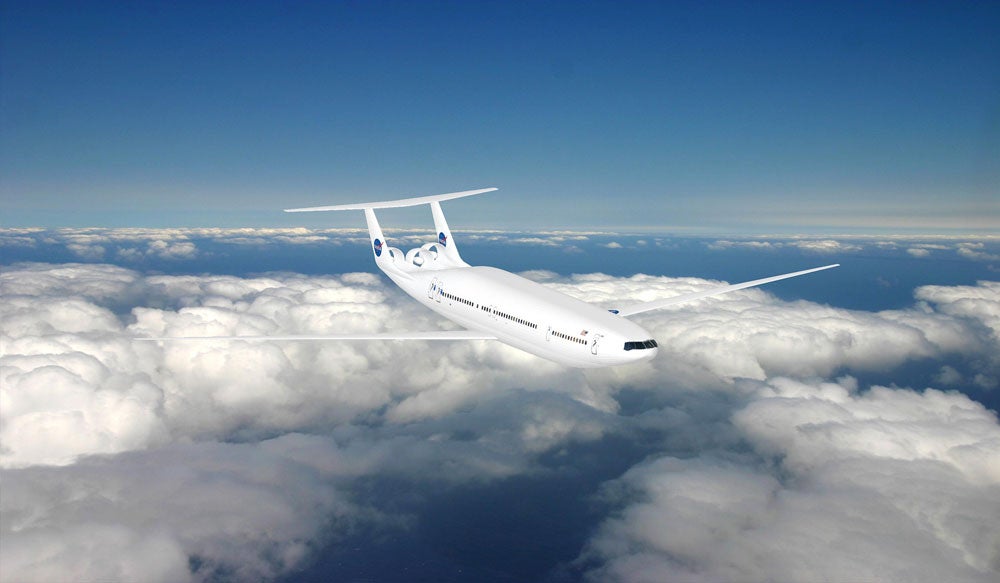
Designs feature novel aerodynamic configurations such as composite wing bodies, boxed wings, flying wings, and the "Double Bubble D8," alongside advanced engine technologies and materials.
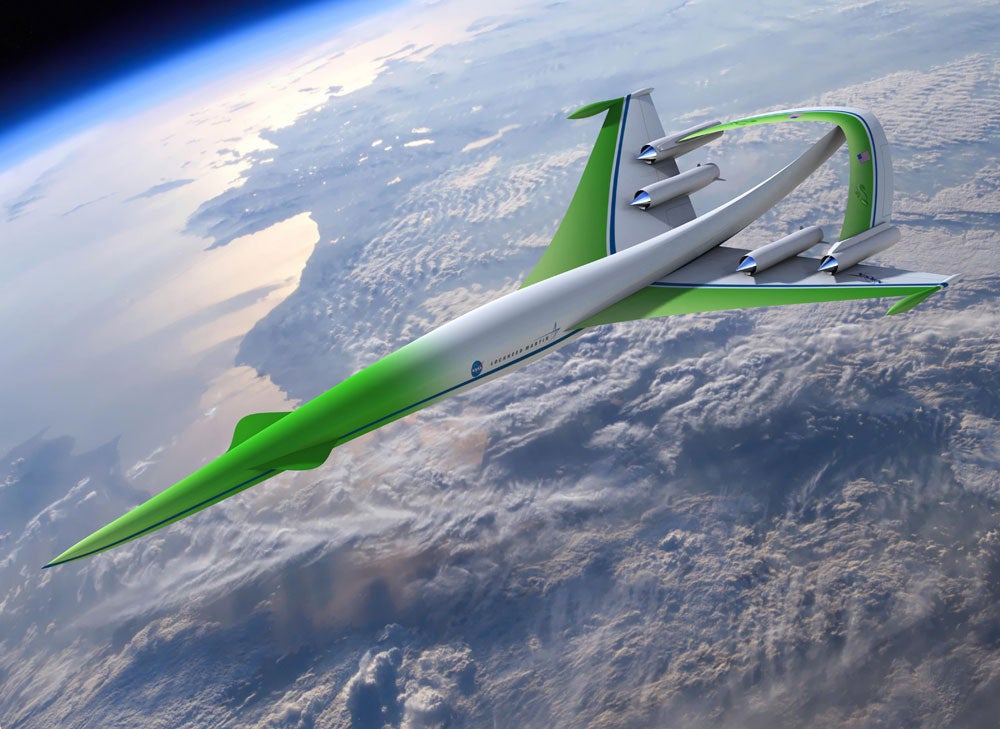
Efforts also include developing supersonic aircraft with reduced drag and sonic shockwave signatures for more environmentally friendly high-speed travel.
NASA recently gave aviation enthusiasts a peek at what may lie ahead for the industry.
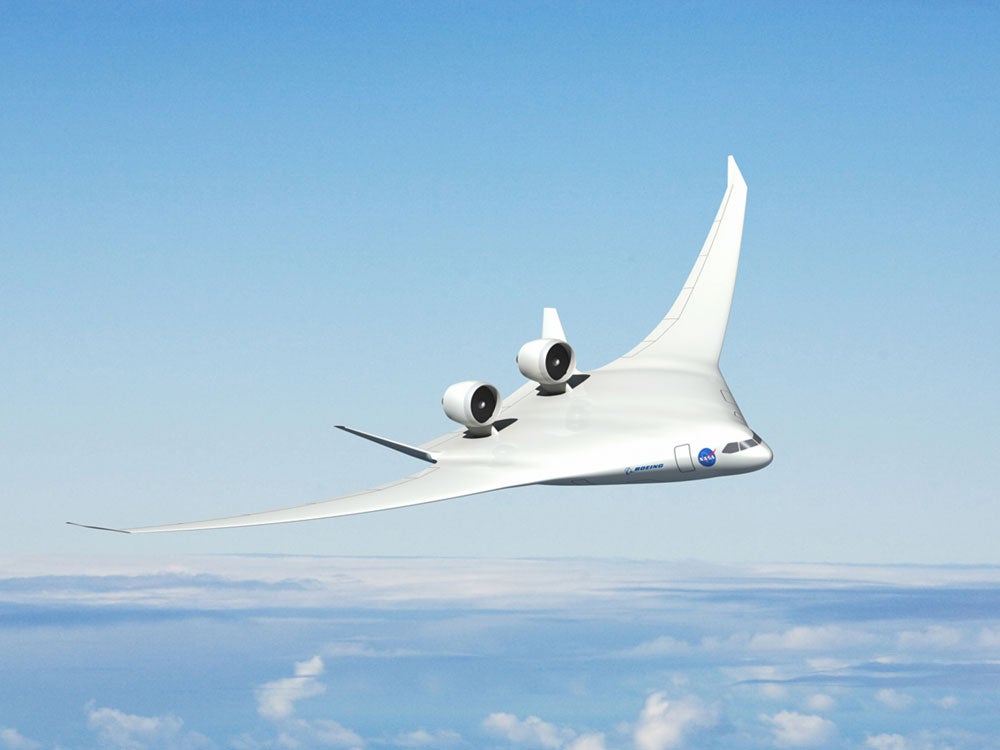
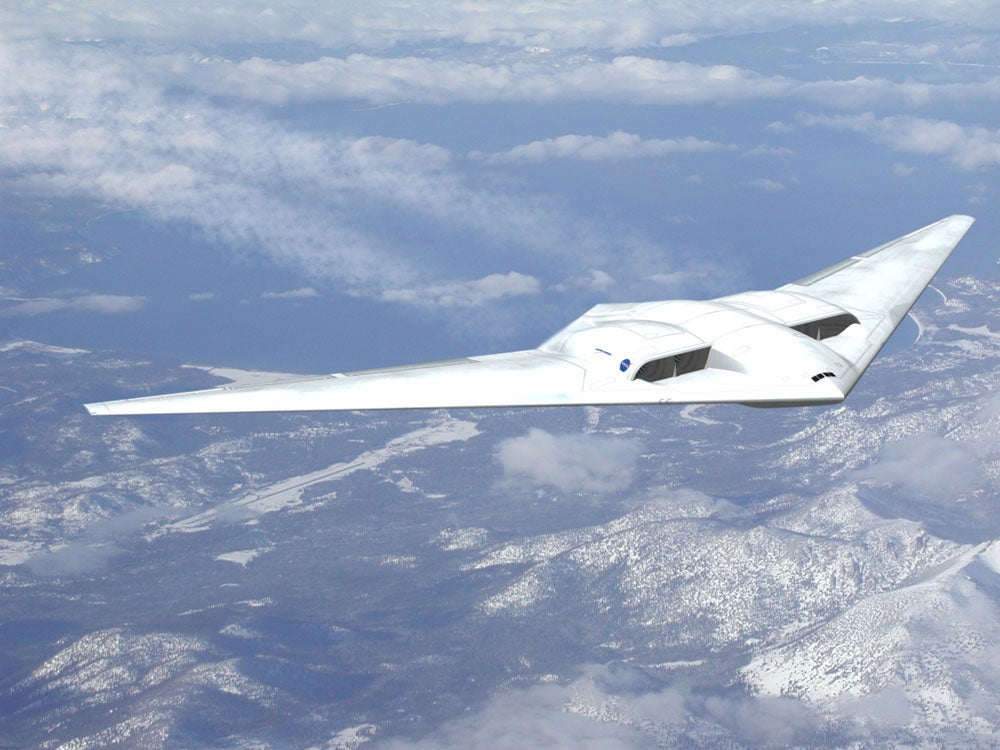
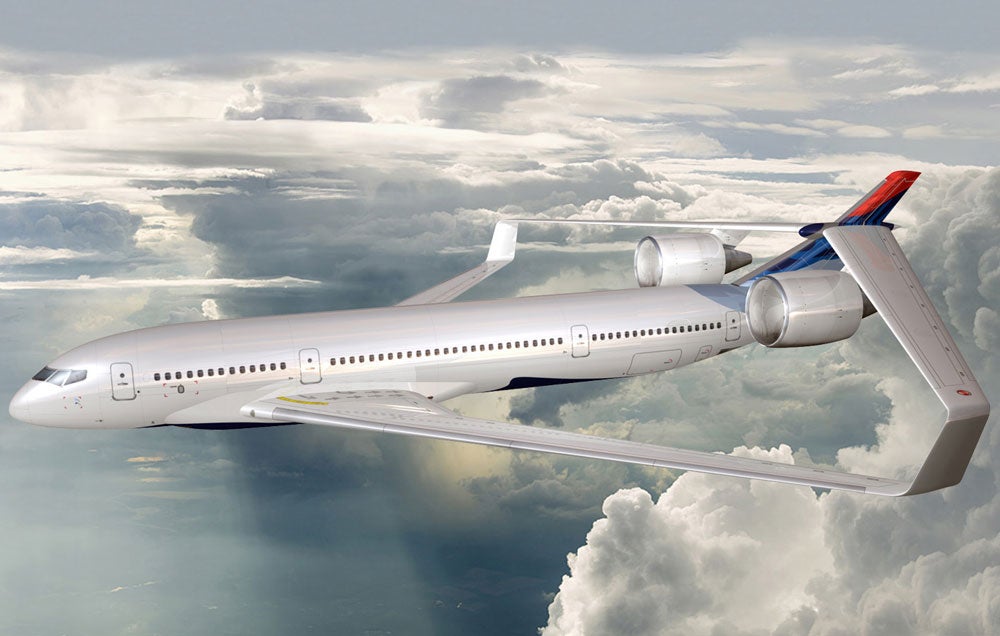
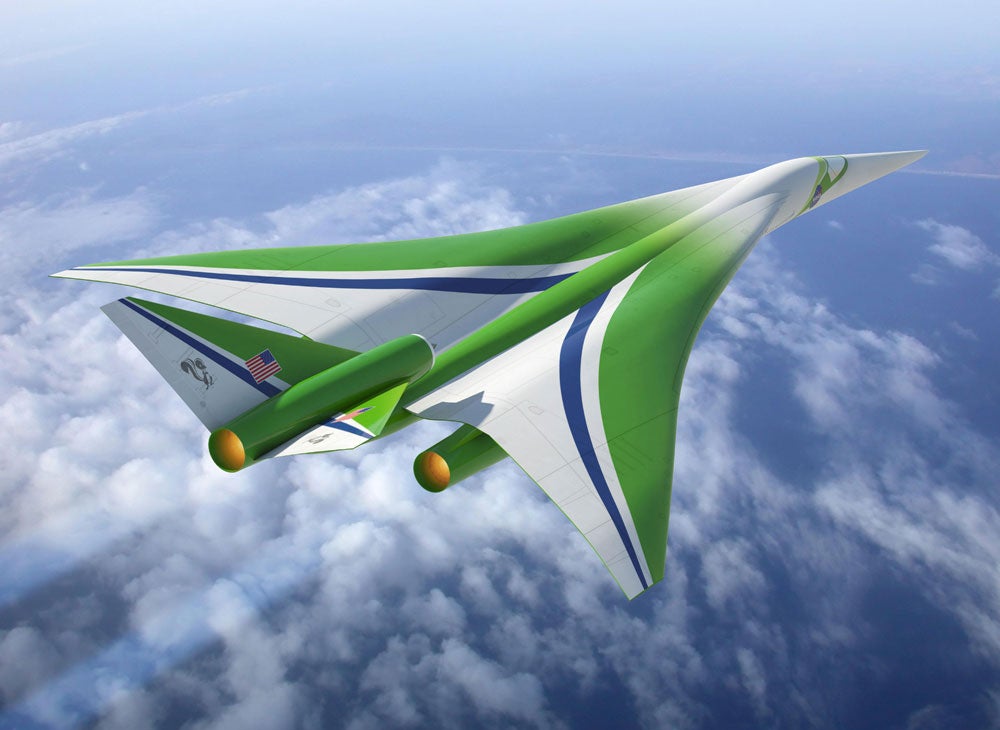
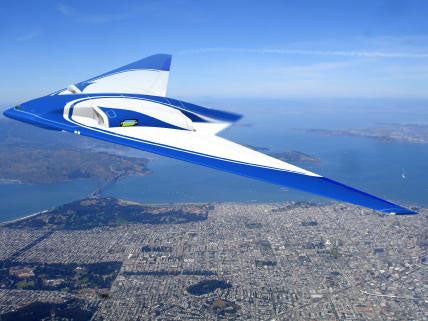
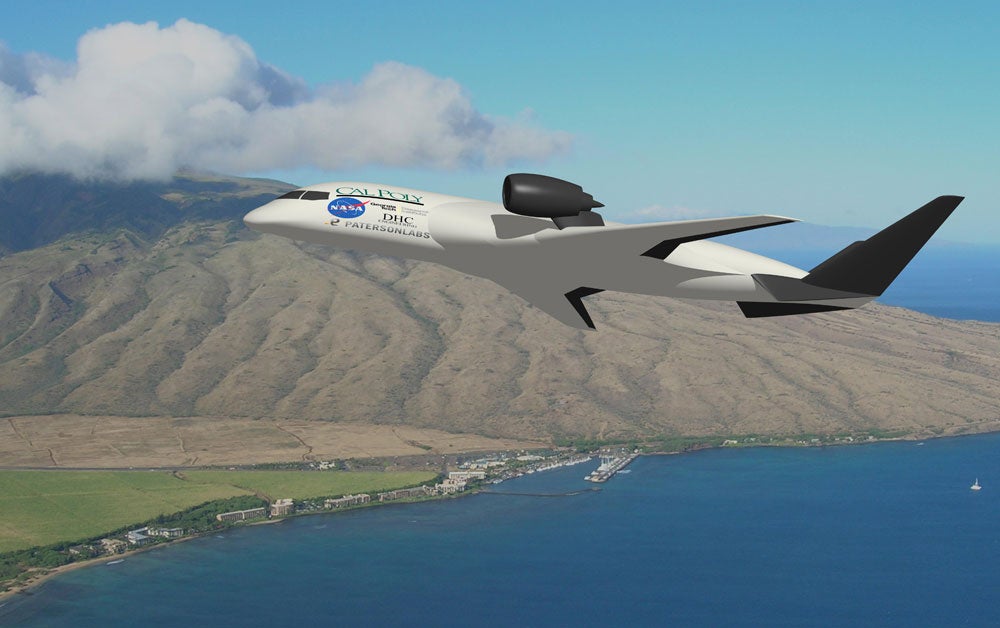
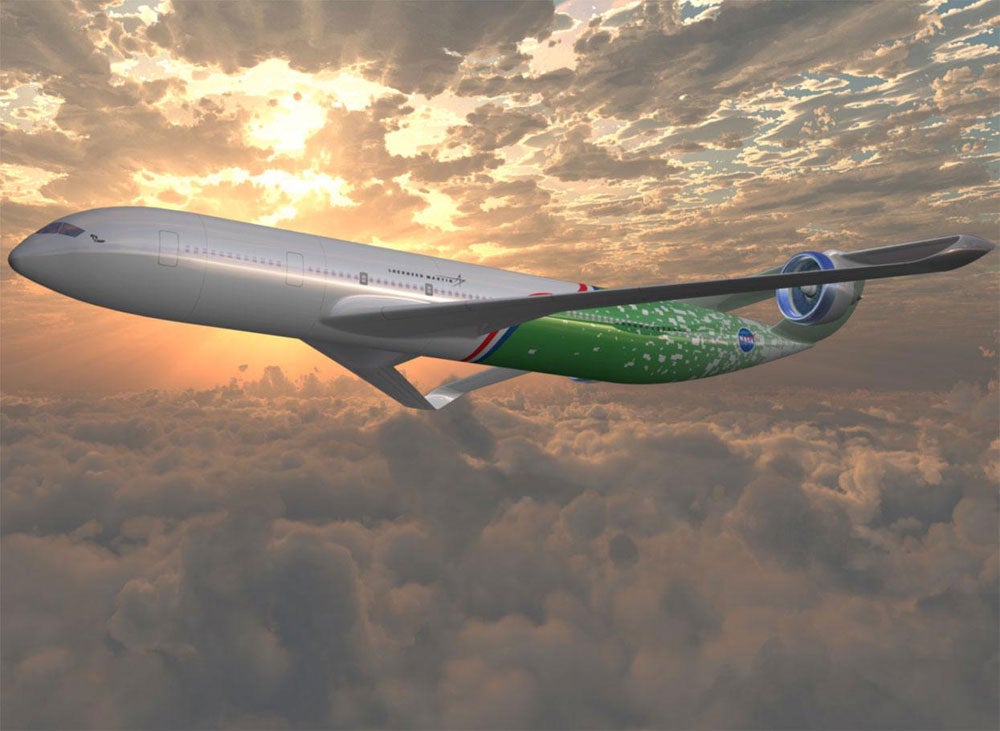
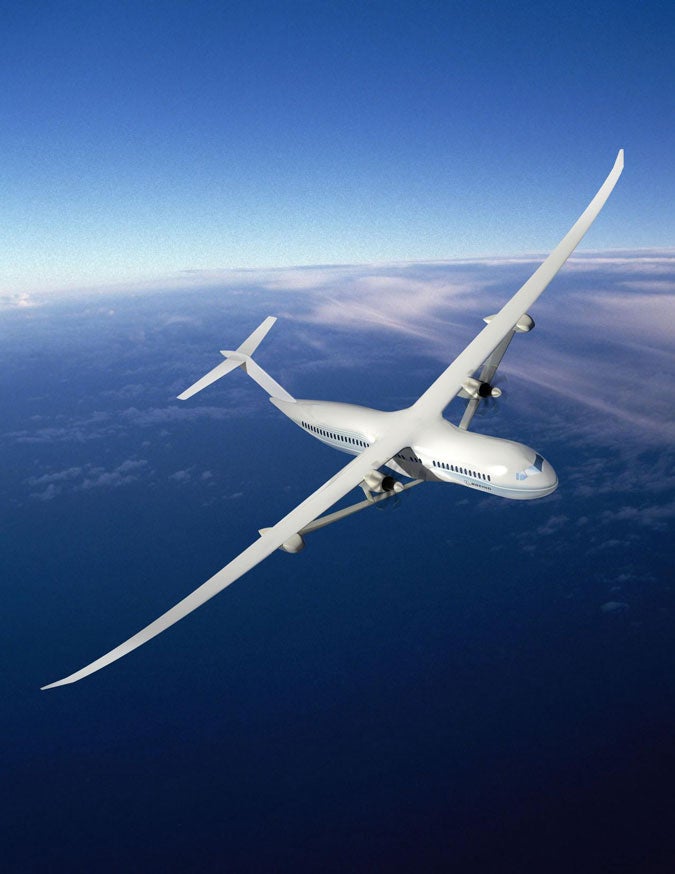
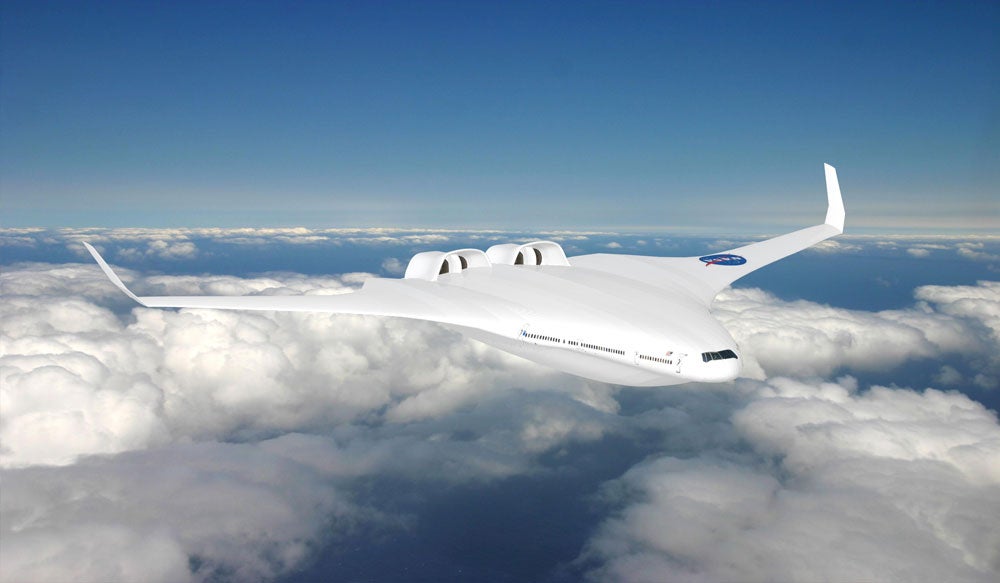
Boeing’s design features a composite wing body inspired by the success of the X-48.Northrop Grumman also chose to go with an aerodynamic flying wing design, one with four Rolls Royce engines implanted within the aircraft’s upper surfaces that looks like the company’s earlier B-2.Lockheed Martin’s proposal looks quite different, relying on a boxed wing design and a Rolls Royce Liberty Works Ultra Fan Engine with a bypass ratio 5 times higher than technology in use today.This supersonic aircraft is designed to reduce drag and the sonic shockwave signature.Shown here is AMELIA (Advanced Model for Extreme Lift and Improved Aeroacoustics), an aircraft design with short takeoff and landing capabilities produced by California Polytechnic State Institute.**An artist’s conception of a boxed- or joined-wing design. According to NASA, this design is one of several that could enter service in the 2020 timeframe.
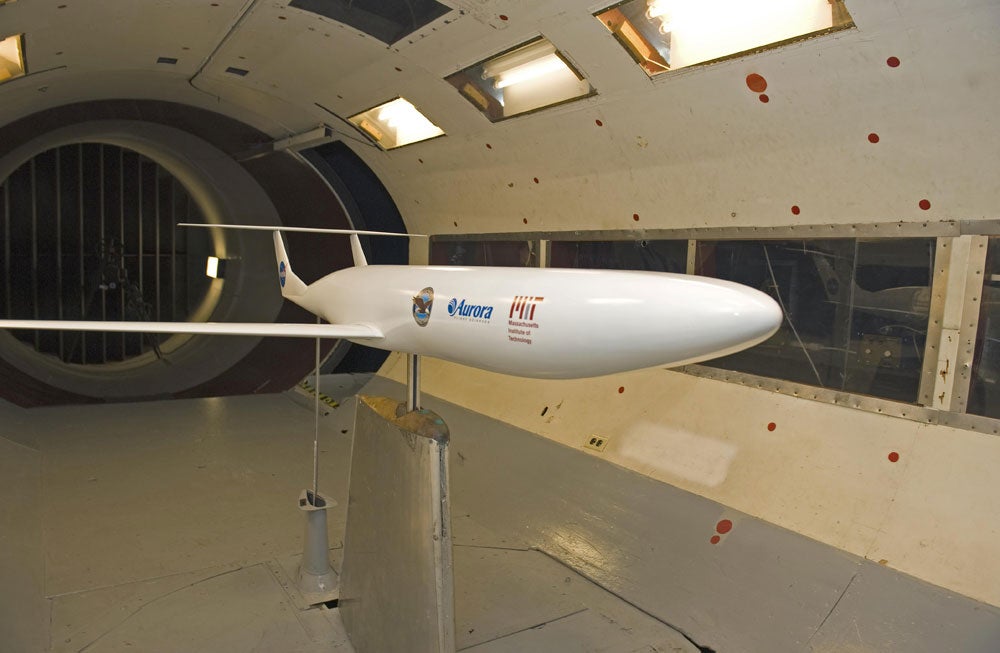
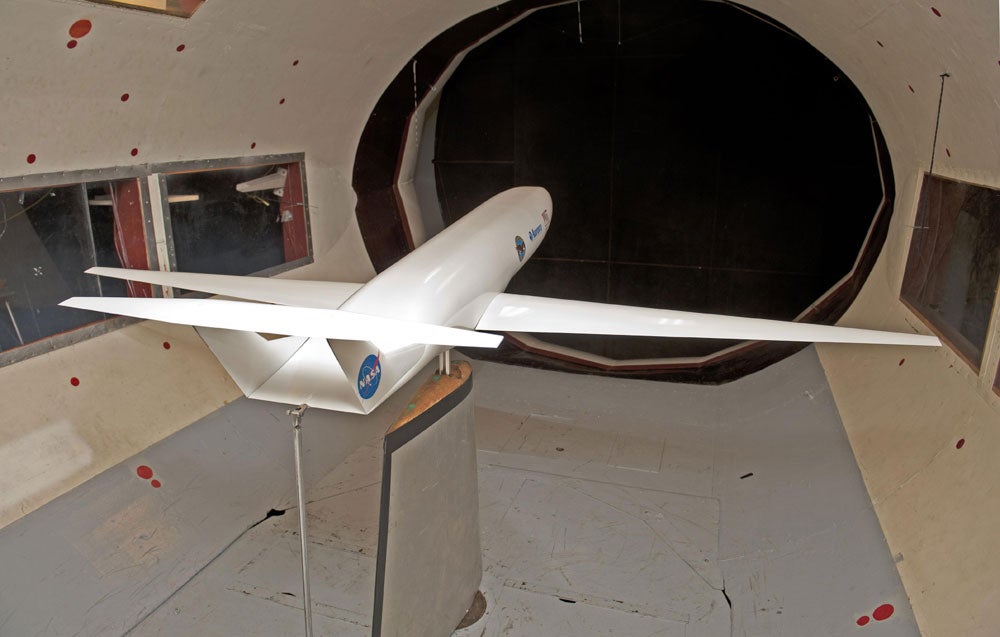
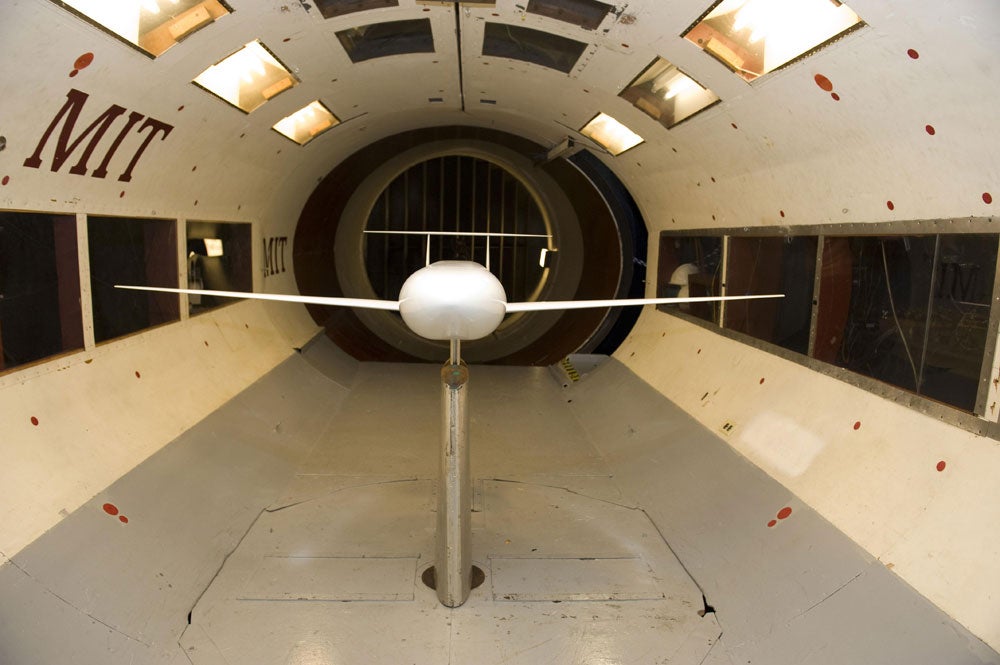
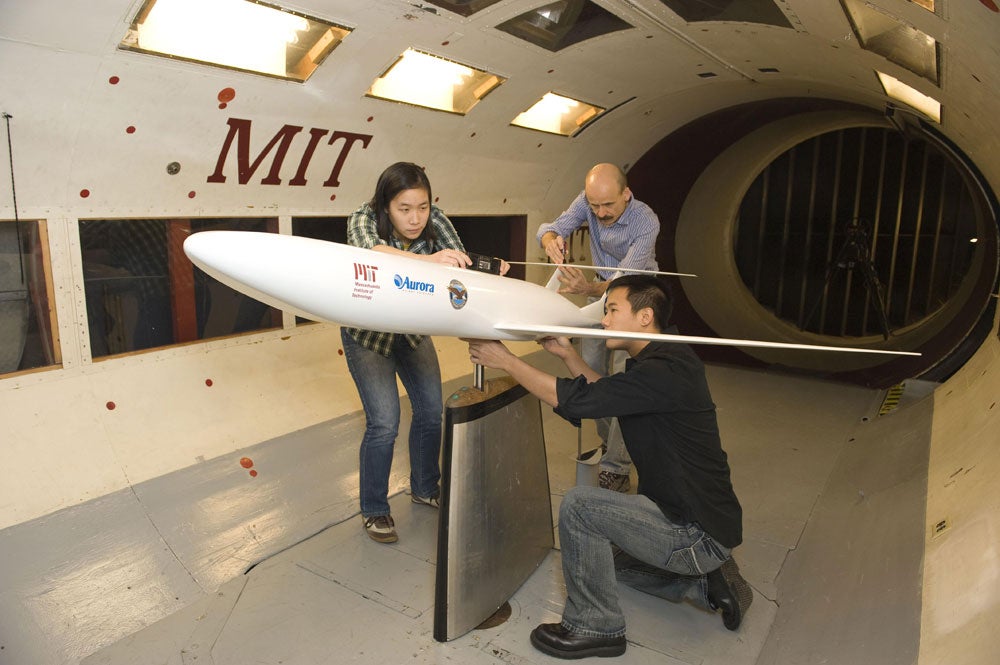
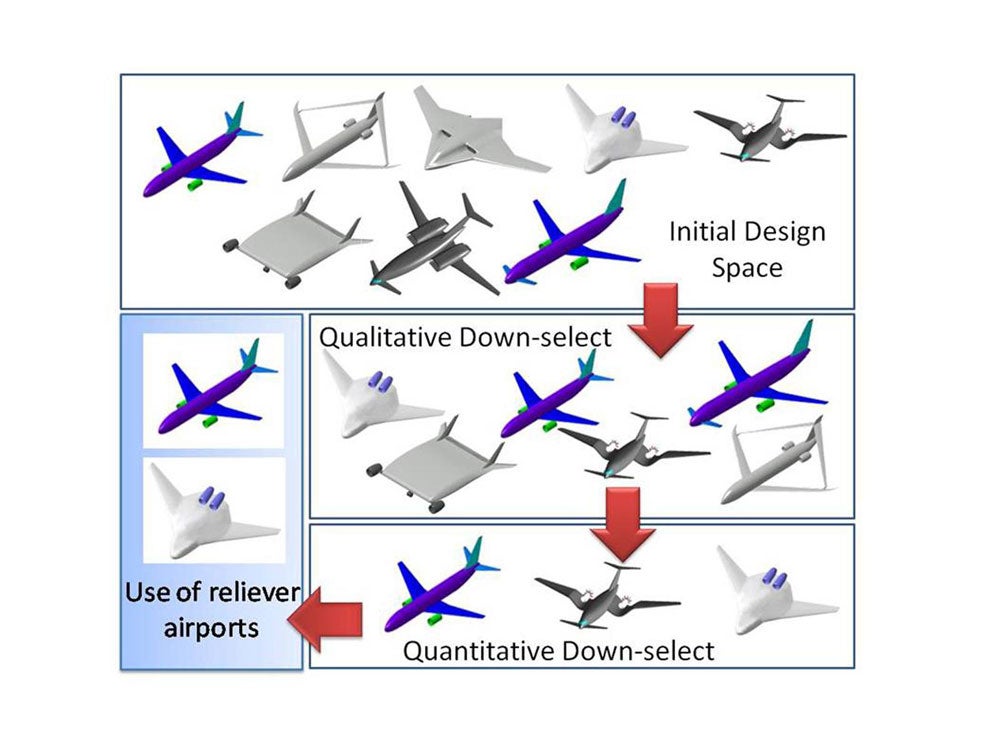
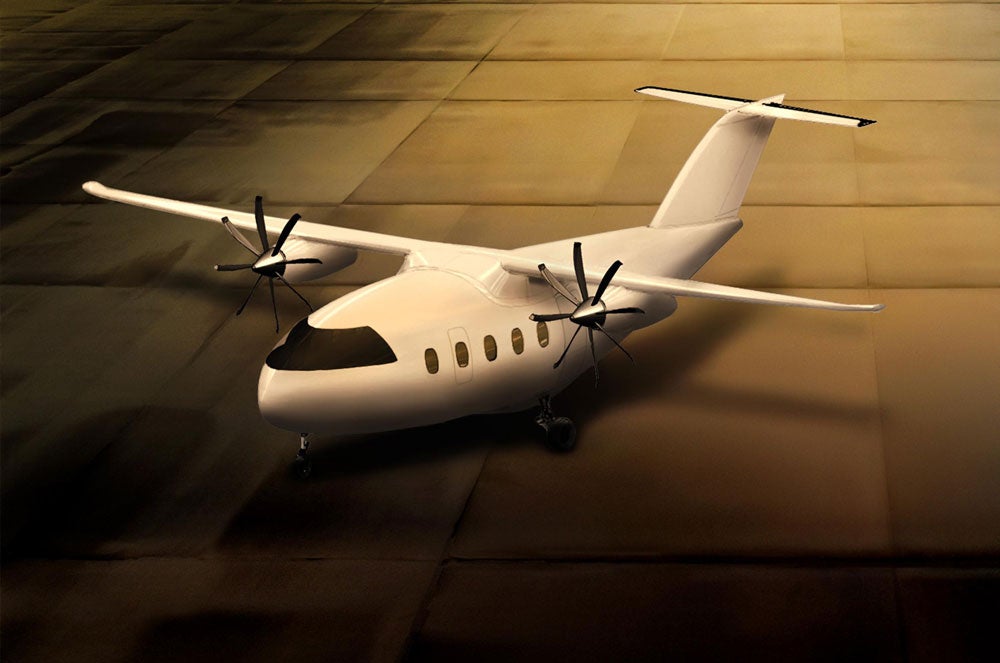
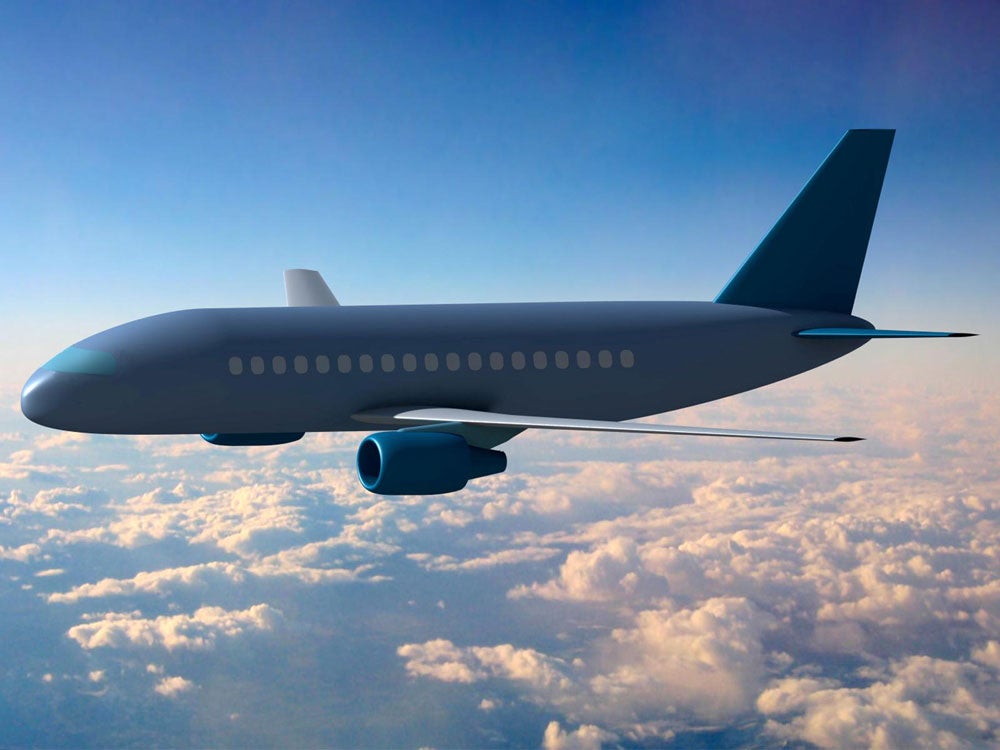
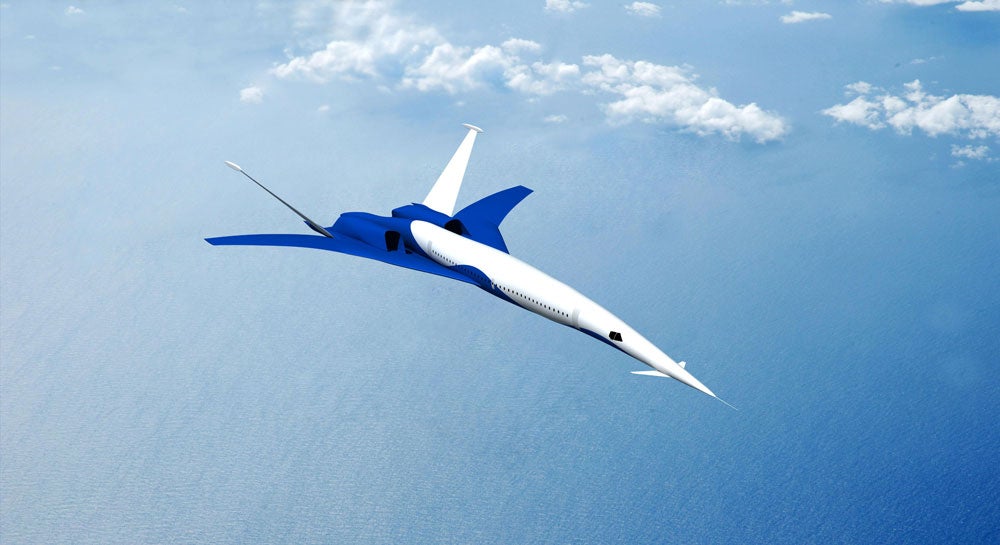
**The Double Bubble D8 is a design undergoing testing at MIT.The design features low-swept wings and a wide fuselage.Engines are placed above the fuselage in order to shield those on the ground from excessive airport noise.In addition to MIT, Pratt & Whitney and Aurora Flight Sciences are also behind the design.This illustration shows the process behind the design of aircraft that fit all of NASA’s requirements, including better fuel efficiency, lower emissions and less airport noise.An illustration of the Double Bubble D8 in flight.This turboprop design, put forth by GE, is constructed to fly at Mach 0.55 while carrying 20 passengers.SELECT, a design submitted by Northrop Grumman, would rely on ceramic composite materials and shape memory alloys.The Boeing Volt is a hybrid model that relies on gas turbine and battery technology.This supersonic machine submitted by Lockheed Martin uses an inverted V configuration to reduce sonic booms.The Icon-II from Boeing achieves supersonic speeds while also lowering fuel burn and decreasing noise levels.The Hybrid Wing Body H Series, produced by MIT, is intented for intercontinental flight.
CREATE A FREE ACCOUNT
Sign up to keep reading
Create a free account to continue. Already a member? Sign in below.















 |
|
