











If you’ve flown in reduced visibility or on a clear, moonless night and wondered what was ahead, you’re not alone. Pilots flying aircraft equipped with an enhanced vision system receive increased situational awareness information delivered to the cockpit in limited-visibility situations both day and night.
How it Works: Enhanced Vision System

Key Takeaways:
- Enhanced Vision Systems (EVS) increase pilot situational awareness in limited visibility (day and night) by using infrared cameras to detect heat and create a real-time, black-and-white image of the environment ahead.
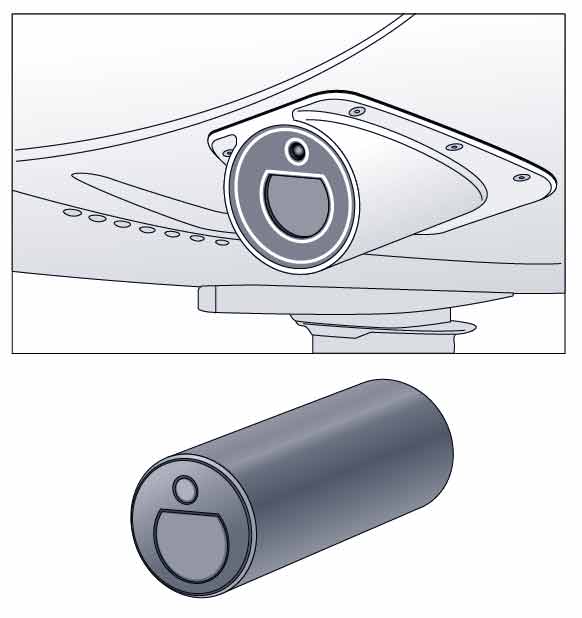
- EVS typically comprises infrared sensors (e.g., LWIR for heat, CMOS for visible light), an image processor, and a display device, often mounted in the aircraft's nose.
- Modern EVS technology is trending towards blending multiple detector types, such as cooled (MWIR) and uncooled (LWIR) infrared sensors, to optimize performance across various conditions like dense fog or cold, dark nights.
Key takeaways sponsored by Aviator Pro | Start Your Training ->
See a mistake? Contact us.

