











First developed in World War II, TKS systems were created for Royal Air Force bombers as an alternative to pneumatic boot deicing. Today, the technology continues to buy crucial time for pilots as they work to implement exit strategies when faced with dangerous icing conditions.
How It Works: TKS Ice Protection System

Key Takeaways:
- TKS (Tecalemit-Kilfrost-Sheepbridge Stokes) systems were developed during WWII as an alternative deicing method for aircraft, providing crucial time for pilots to exit dangerous icing conditions.
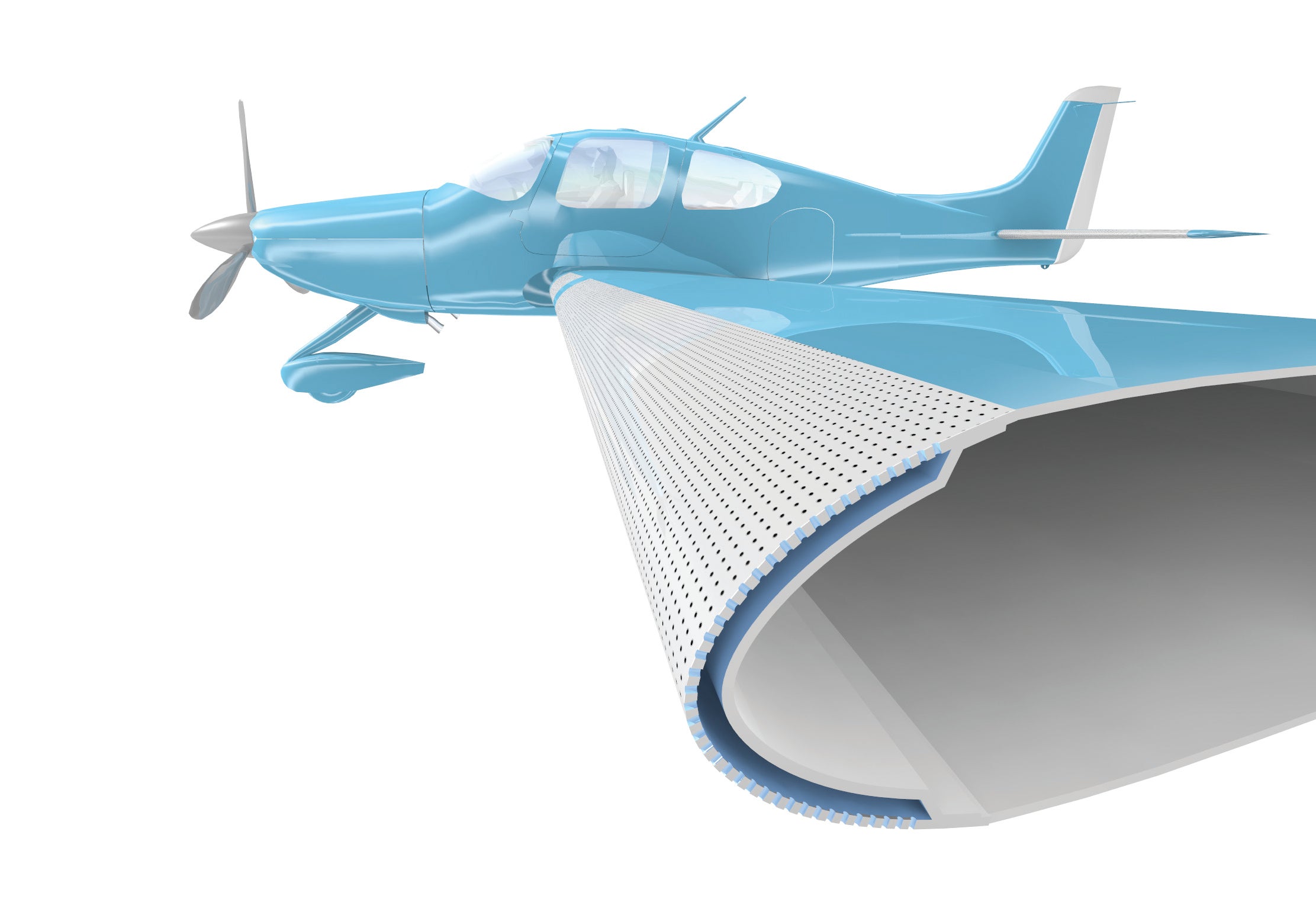
- The system dispenses an ethylene glycol-based fluid through porous titanium panels on the wing and empennage leading edges to prevent ice formation, and also uses slinger rings for propellers and nozzles for windshields.
- TKS systems typically offer one to three hours of ice protection, allowing for a safe departure from hazardous conditions.
- These "weeping wing" systems provide greater airframe protection than booted or thermal deicing methods and boast high reliability and reduced maintenance due to having only one moving part.
Key takeaways sponsored by Aviator Pro | Start Your Training ->
See a mistake? Contact us.

