













Register

The Engine-Out Glide

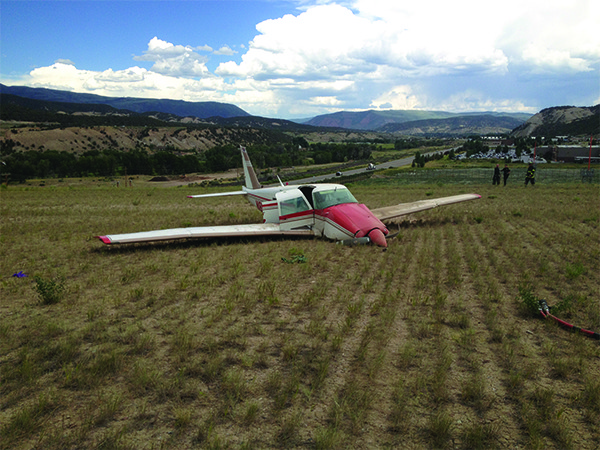
This Piper PA-24-260 Comanche 260 came to grief outside Eagle, Colo; on June 28, 2013, after its engine quit due to fuel starvation. Both pilots aboard suffered serious injuries. Examination revealed the fuel selector was positioned to the left tank, which contained two gallons. The right tank contained 9.5 gallons of fuel. Worn and corroded fuel senders contributed to the pilots' improper fuel management, according to the NTSB. On The Cover:Both pilots aboard were seriously injured when this Piper PA-24-260 Comanche 260 became a glider due to fuel starvation, a too-common reason for engine failure. The article beginning on page 16 discusses engine-out glides, the airspeeds to fly and turn backs, all of which should be practiced more often. Image: NTSB
Gemini Sparkle

Key Takeaways:

  • Effective engine-out management requires correctly configuring the aircraft (e.g., retracting gear, stowing flaps unless needed) and flying at the optimal glide speed (VBG or VLD, adjusted for weight) to maximize glide distance or time.
  • Engine failures immediately after takeoff necessitate pre-planned responses based on altitude, prioritizing landing straight ahead at low altitudes and strongly cautioning against the dangerous "impossible turn" back to the runway.
  • Pilots can further improve glide performance by minimizing propeller drag (e.g., stopping a fixed-pitch prop or adjusting a constant-speed prop) and must practice engine-out scenarios realistically, including a "startle factor" delay, ideally under instructor guidance.
See a mistake? Contact us.

Each month in the back of this magazine, we chronicle recent accidents we hope are of interest to readers. A glance at a random month’s entries likely would reveal that a substantial portion of them involve total or partial failure of a piston single’s engine. Yes, there’s selection bias involved—we typically try to highlight the most educational accidents and incidents, and many in-flight engine failures don’t result in an event reportable to the NTSB.

But the evidence also points out that pilots frequently mishandle the event, perhaps just as they mishandled their fuel management, since many engine-failures can be traced to fuel starvation or exhaustion. To be sure, mechanical failures that are no fault of the pilot also can fail an engine. Regardless of the reasons, once the engine quits, it’s the pilot’s job to manage the airplane’s remaining energy and come to a safe stop. There are some considerations beyond just flying the airplane, but let’s talk about that first, if only to get it out of the way.


Ready to Sell Your Aircraft?

List your airplane on AircraftForSale.com and reach qualified buyers.

List Your Aircraft
AircraftForSale Logo | FLYING Logo
Pilot in aircraft
Sign-up for newsletters & special offers!

Get the latest stories & special offers delivered directly to your inbox.

SUBSCRIBE