













Register

VFR at Night Is a Lot Like IFR

Stephen Strathdee
Gemini Sparkle

Key Takeaways:

  • Night flying for single-engine pilots presents distinct hazards such as reduced visibility for terrain and weather, and difficulty locating cockpit controls in the dark.
  • Key safety measures include filing IFR flight plans, utilizing terrain warning systems, adhering to published minimum safe altitudes, and following instrument approach procedures.
  • Despite the risks, night flying offers benefits like smoother air and less traffic, but pilots must take all available steps to ensure safety.
See a mistake? Contact us.

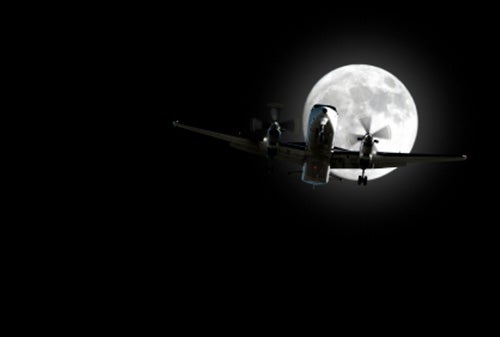
With the passing of daylight savings time, we’re now faced with fewer hours to fly in sunshine. For many single-engine pilots, that means fewer hours of flying, since they prefer not to fly at night. For those who do, filing and flying an IFR flight plan is even more advisable. Having a second set of eyes following the progress of the flight can be a lifesaver, especially when visibility is reduced in darkness.

And it’s not just the view out the window that is compromised. One of the under-discussed hazards of night flying is that all the familiar controls, switches and levers inside the cockpit are cloaked in gloom after dark. Of course yoke, throttle, mixture and prop controls still ought to fall naturally to hand, but lesser used cockpit hardware — cowl flaps, fuel selectors, pitot heat, and so forth — require extra attention when a simple glance isn’t enough to locate and verify configuration.


Mark Phelps

Mark Phelps is a senior editor at AVweb. He is an instrument rated private pilot and former owner of a Grumman American AA1B and a V-tail Bonanza.

Ready to Sell Your Aircraft?

List your airplane on AircraftForSale.com and reach qualified buyers.

List Your Aircraft
AircraftForSale Logo | FLYING Logo
Pilot in aircraft
Sign-up for newsletters & special offers!

Get the latest stories & special offers delivered directly to your inbox.

SUBSCRIBE