
The use of a pulse oximeter allows pilots to monitor the oxygen saturation of hemoglobin in their blood. How a pulse oximeter works is pretty ingenious. Rather than directly measuring hemoglobin concentration, the small device, which costs about $40 and can be purchased online, takes constant measurements of the absorption of specific wavelengths of light in oxygenated hemoglobin. Blood is red due to the quality of oxyhemoglobin it contains, causing it to absorb light of certain wavelengths. The pulse oximeter incorporates two LEDs, one red and one infrared. Infrared light is absorbed by the oxyhemoglobin and red light by the reduced hemoglobin. The oxygen saturation of the blood determines the degree of light absorption, and the result is shown on a digital display of oxygen saturation on the pulse oximeter’s screen.
How It Works: Pulse Oximeter
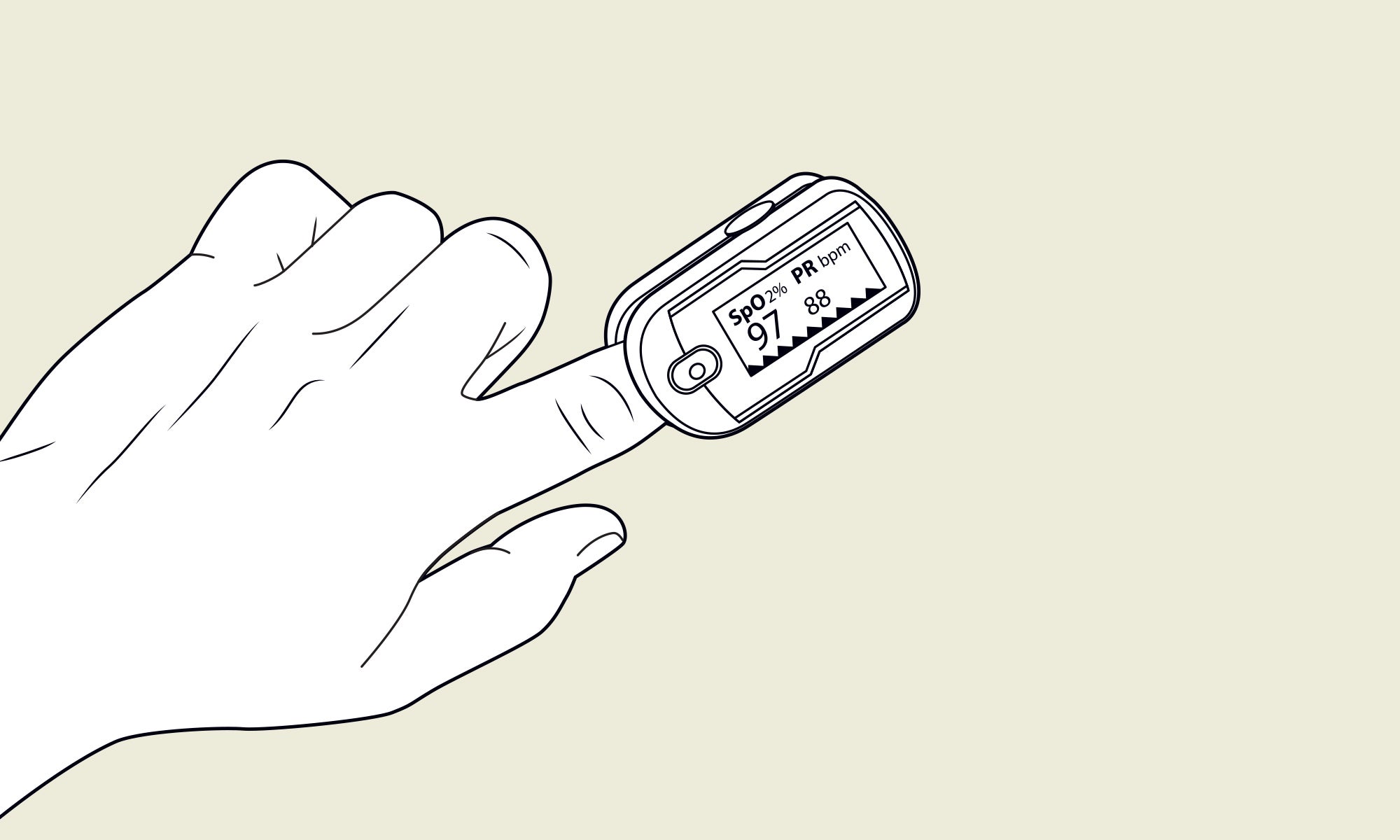
Buy It Now Illustration by Tim Barker

Key Takeaways:
- Pulse oximeters are inexpensive devices that help pilots monitor blood oxygen saturation by measuring the absorption of specific light wavelengths by hemoglobin.
- Pilots should aim to keep their blood-oxygen levels above 90% (ideally 95% or higher with a mask) when climbing, compared to a normal ground level of around 98%.
- When using a cannula, pilots should take care to relax and breathe through their nose if talking or exerting themselves to maintain optimal oxygen saturation.
Key takeaways sponsored by Aviator Pro | Start Your Training ->
See a mistake? Contact us.