













Register

Hug a Cloud

Tom Benenson
Gemini Sparkle

Key Takeaways:

  • Instrument flying often causes apprehension for pilots, especially during high-workload phases or when flying solely in clouds.
  • Experienced pilots, like Peter Dogan and Bob Buck, found deep satisfaction, excitement, and a sense of comfort and safety in successfully navigating by instruments.
  • The author uses these positive recollections to overcome personal trepidation, highlighting the "joys" of IFR flight in contrast to the stress of VFR in challenging conditions.
See a mistake? Contact us.

We all have our trepidations about instrument flying. My colleague, Flying contributing editor Tom Benenson once told me he’s most apprehensive when taking off into a low ceiling. It makes sense, with such a high workload — retracting gear and managing power, monitoring engine instruments, making radio calls, switching frequencies, turning to an assigned heading (or a new one assigned by ATC) — it’s a lot less demanding to perform these tasks without having to keep one eye bouncing around on your instrument scan, too.

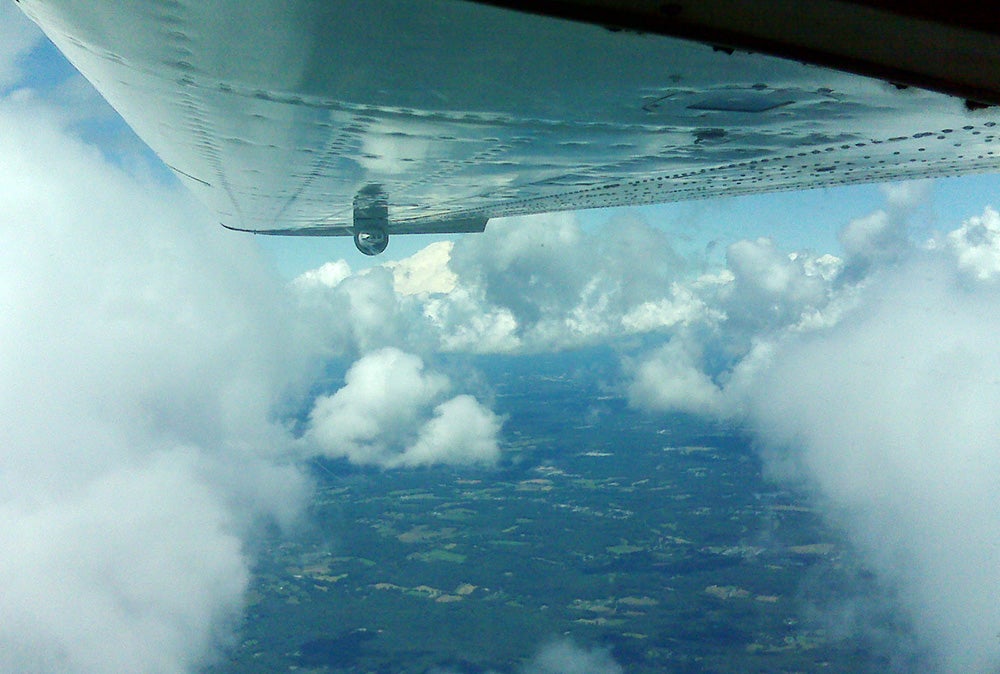
Just flying in clouds can be unnerving for some, especially after years of avoiding them like the Black Death as a VFR pilot. With all the stuff to learn, procedures to follow and thousands of opportunities to screw up and look bad, it only makes sense that new instrument pilots (or those regaining currency after a long lapse) might feel overwhelmed.


Mark Phelps

Mark Phelps is a senior editor at AVweb. He is an instrument rated private pilot and former owner of a Grumman American AA1B and a V-tail Bonanza.

Ready to Sell Your Aircraft?

List your airplane on AircraftForSale.com and reach qualified buyers.

List Your Aircraft
AircraftForSale Logo | FLYING Logo
Pilot in aircraft
Sign-up for newsletters & special offers!

Get the latest stories & special offers delivered directly to your inbox.

SUBSCRIBE