













Register

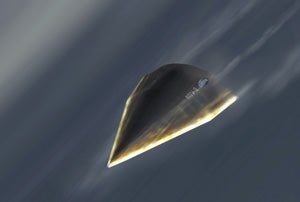
Video: Hypersonic Vehicle Failed After Skin Peeled Off, DARPA Says

HTV-2
Gemini Sparkle

Key Takeaways:

  • DARPA determined the hypersonic HTV-2 vehicle's test flight failed because its aeroshell could not withstand the extreme stresses of Mach 20 (approximately 13,000 mph) atmospheric flight.
  • At high speeds, gaps in the vehicle's surface created impulsive shock waves, leading to a loss of control and an eventual controlled descent into the Pacific.
  • Despite the malfunction, the HTV-2 successfully maintained controlled Mach 20 flight for three minutes, providing DARPA with crucial data to continue its research toward creating a vehicle capable of global travel in under 60 minutes.
See a mistake? Contact us.

After seven months of examining data from the hypersonic HTV-2 vehicle that was lost during a test flight over the Pacific last August, DARPA says it has zeroed in on the vehicle’s skin, and its inability to withstand the stresses of incredibly fast speeds, as the source of the malfunction.

According to DARPA’s report, ground testing and thermal modeling that dictated the vehicle’s skin structure needs was completed based on extrapolations from known flight characteristics, and ultimately proved unable to “successfully predict the harsh realities of Mach 20 atmospheric flight.”


Ready to Sell Your Aircraft?

List your airplane on AircraftForSale.com and reach qualified buyers.

List Your Aircraft
AircraftForSale Logo | FLYING Logo
Pilot in aircraft
Sign-up for newsletters & special offers!

Get the latest stories & special offers delivered directly to your inbox.

SUBSCRIBE