











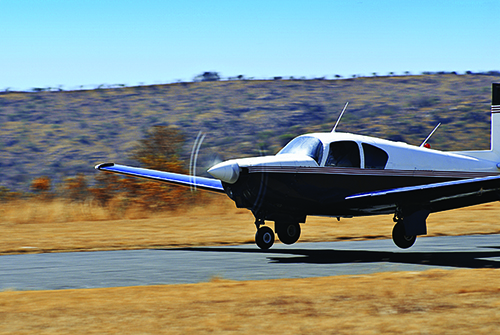


A common problem students and rusty pilots may have with their landings involves floating down the runway, waiting for the airplane to quit flying. We’re often tempted to force it onto the runway, which can result in all kinds of mischief, including landing on the nosewheel of a tricycle-gear airplane. That’s bad, since the nosewheel isn’t designed for it, and a prop strike can occur in extreme situations.
Forcing the airplane onto the runway also can result in one or more bounces, often with increasing amplitude, leading to loss of control. You also can eat up a lot of runway while waiting for the touchdown, and may not have enough left to roll out and stop. Excessive floating right above the runway generally results from flying a too-fast final approach. It should be obvious, then, that slowing down on final is one way to fix your float. But arriving over the runway at the proper speed requires some planning, which typically should begin in the traffic pattern.

