














Register

In Search of Lost Airspeed

** The only backup for the pitot tube is the
flying skill of the pilot.**
Gemini Sparkle

Key Takeaways:

  • The Air France 447 crash highlighted that the core issue wasn't just iced pitot tubes, but the autopilot disengaging and human pilots failing to maintain control after losing airspeed data.
  • The article critiques autopilot design for not having a "coast mode" to maintain flight parameters during airspeed data loss, and explores complex, high-tech alternatives like laser or sonic airspeed measurement, deeming them impractical.
  • The author strongly advocates for Angle of Attack (AOA) indicators as a superior primary instrument, especially for approach and landing, as they inherently compensate for aircraft weight and bank angle, unlike airspeed indicators.
See a mistake? Contact us.

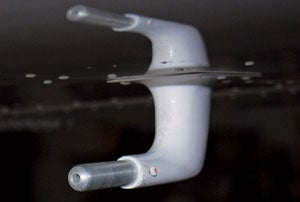
(October 2011) Air France 447 went down in the mid-Atlantic in 2009 because all three of its pitot tubes iced up.

Well, not exactly. It wasn’t the loss of functioning pitot tubes that doomed the airplane; it was what the A330’s autopilot, and human pilots, did next. The autopilot — but it would be more proper to say computer, since fly-by-wire airplanes are controlled by decision-making systems far more complicated than the word autopilot suggests — the computer, seeing that it had lost reliable airspeed information, immediately turned over control of the airplane to its human minders.

Peter Garrison

Peter Garrison taught himself to use a slide rule and tin snips, built an airplane in his backyard, and flew it to Japan. He began contributing to FLYING in 1968, and he continues to share his columns, ""Technicalities"" and ""Aftermath,"" with FLYING readers.

Ready to Sell Your Aircraft?

List your airplane on AircraftForSale.com and reach qualified buyers.

List Your Aircraft
AircraftForSale Logo | FLYING Logo
Pilot in aircraft
Sign-up for newsletters & special offers!

Get the latest stories & special offers delivered directly to your inbox.

SUBSCRIBE
