













Register

Going Glass, Part 1

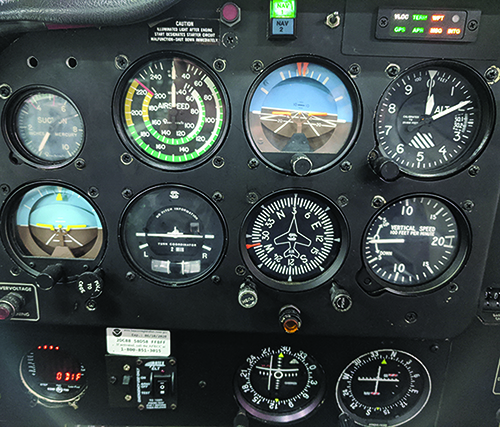
My airplane's flight instruments are shown. I definitely want to eliminate the A1 and DG, which means the vacuum gauge in the upper left can go, too. The fate of the other instruments will depend on the package of new equipment I end up choosing and has it's installed.
Gemini Sparkle

Key Takeaways:

  • The author plans to upgrade a personal airplane from traditional mechanical flight instruments to electronic ("glass") to enhance situational awareness, automation, and reliability.
  • Key objectives include eliminating the vacuum system for improved safety and minor weight savings, integrating an air data computer, and adding GPSS functionality for the autopilot.
  • Important considerations for this modernization project involve ensuring robust redundancy and backup power, seamless integration with existing avionics, managing costs, and adapting to new operational procedures through training.
See a mistake? Contact us.

Editor’s Note: This is the first in an occasional series of articles exploring the details and considerations of replacing conventional mechanical flight instruments with their electronic counterparts aboard a typical piston-powered personal airplane. While the series will necessarily involve comparing products, it also will evaluate the implications for operations and safety.

My personal airplane is a prime candidate for an upgrade to microprocessor-based flight instruments. It’s on all the Approved Model List Supplemental Type Certificate (AML-STC) lists for the various realistic options, and it has IFR-approved WAAS GPS navigation capabilities, with ADS-B Out and In. It also has a popular two-axis autopilot, which can be made to interface with just about anything.


Ready to Sell Your Aircraft?

List your airplane on AircraftForSale.com and reach qualified buyers.

List Your Aircraft
AircraftForSale Logo | FLYING Logo
Pilot in aircraft
Sign-up for newsletters & special offers!

Get the latest stories & special offers delivered directly to your inbox.

SUBSCRIBE