











Relevant Discussion: 91.215, 91.217, 91.135, 91.411, 91.413, 99.13, 121.345, 135.143, AIM 3-2-3, 3-2-4, 4-1-20, 5-6-4, 6-2-2, 6-4-2, FAA-H-8083-16, 8083-25
Everything You Need to Know about Mode C Transponders
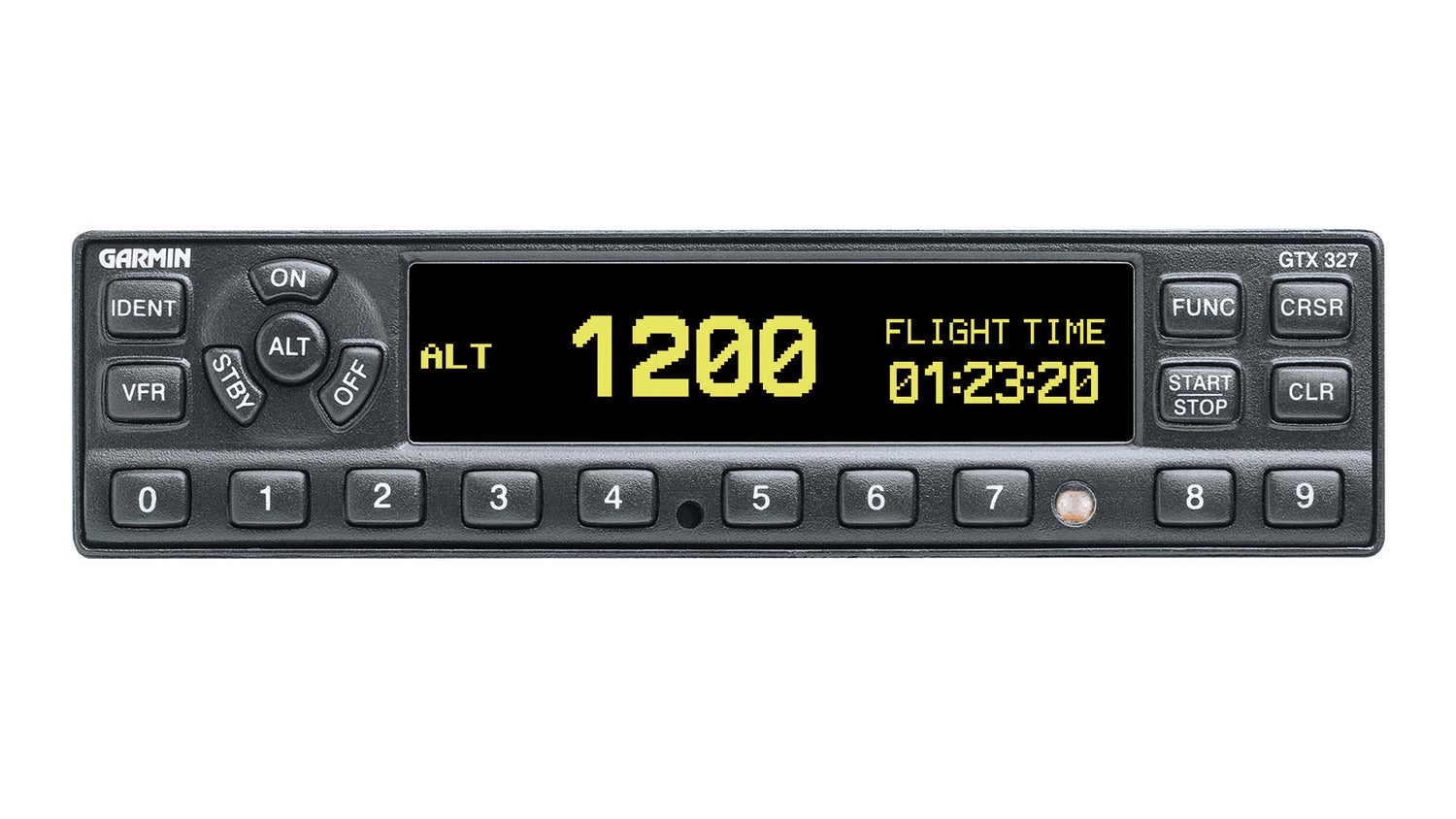

Key Takeaways:
- Mode C transponders are generally required in Class A, B, and C airspace, within 30 nm of specified airports up to 10,000 ft MSL, and broadly above 10,000 ft MSL across the 48 contiguous states, with some exceptions for aircraft like gliders or those without engine-driven electrical systems.
- The Mode C altitude transmitted to ATC represents pressure altitude (independent of the pilot's altimeter setting) and must agree with the aircraft's barometric altimeter within ±125 feet.
- The "Ident" button is used to momentarily highlight an aircraft's target on ATC radar, typically only when requested, and can also be used to acknowledge ATC instructions if radio transmission fails.
- Altitude encoders for IFR flights in controlled airspace must be tested and re-certified every two calendar years, and specific procedures and permissions are required for operating with an inoperative transponder or without one.
Key takeaways sponsored by Aviator Pro | Start Your Training ->
See a mistake? Contact us.

