













Final Checks

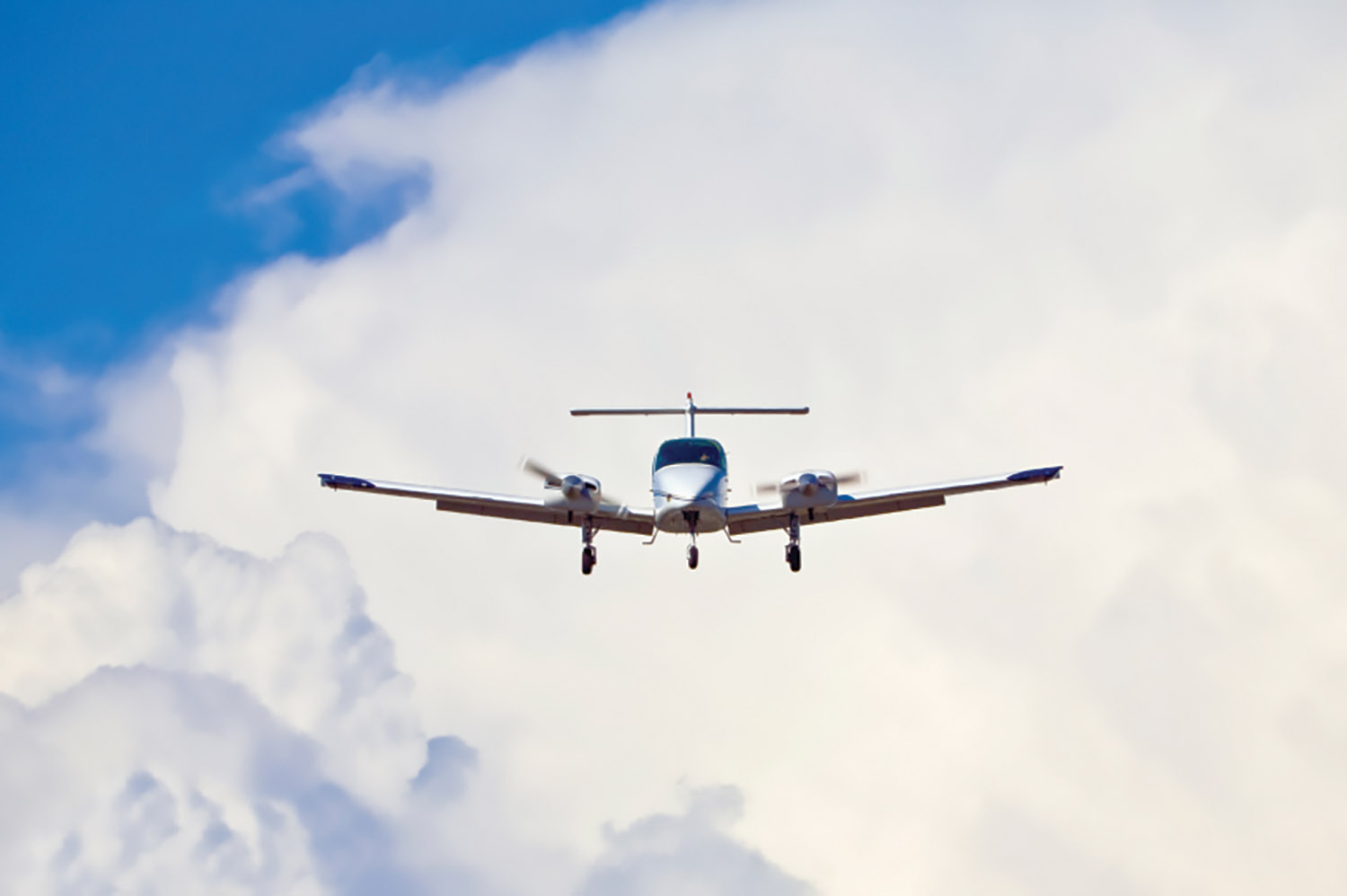
As these pilots discovered, a takeoff clearance at a busy towered airport doesn’t always mean there isn’t a potential conflict.

Photo: Bart Everett / iStock
Gemini Sparkle

Key Takeaways:

  • A pilot prevented a potential runway collision by independently spotting an incoming landing aircraft on the same runway, despite having received takeoff clearance from air traffic control.
  • The incident underscores the critical importance of a diligent pre-takeoff scan of the runway's final approach path, a safety practice that averted a serious incident despite an Air Traffic Control error.
  • The author reflected on the need for pilots to maintain vigilance and independently verify clearances, while also considering the professional communication of ATC discrepancies.
See a mistake? Contact us.

The day’s mission was to relocate a friend’s new-to-him Bonanza from Class B International to its new forever home at an outlying field. The ferry pilot who flew it in the night before and the friend were aboard. I was in the left seat because I knew the airspace better and had more Bonanza time than either of them.

During a detailed pre-flight inspection, I pointed out to the new owner several normal items he would want to pay attention to during future operations and, finding nothing that would prevent us from flying the airplane, we saddled up and taxied out.


The airplane felt solid and everything seemed to work during the run-up, so I edged up to the runway’s hold-short line, switched frequencies and called the tower ready for takeoff. The tower responded with a takeoff clearance and I added power to taxi to the numbers. I was still holding the brakes, though, as I scanned the area to ensure the tower controller hadn’t made a mistake.

My last check before releasing the brakes was to scan the runway approach for traffic. My caution was rewarded by spotting a Piper Seminole with gear and flaps extended about 50 feet above the runway, aiming for the same spot our Bonanza was about to occupy.

“Uhh, we’ll hold short for landing traffic,” I told the tower. There was silence on the frequency for a few moments as the Seminole landed and rolled out. Then we were cleared into position as the Seminole exited the runway a few thousand feet away, and then for takeoff. The rest of the flight was uneventful and we got the “new” Bonanza tucked into its hangar.

I owe my primary flight instructor for many tips, but one of them—looking up the final approach path to see if any traffic was about to land before entering the runway—likely saved my bacon that day. 

This was a few years ago and, looking back, I regret saying anything about landing traffic on the tower frequency. Somebody screwed up, and I was a bit annoyed. But I could have said nothing and let them figure it out on their own. It would have been more professional of me.


Have you encountered a situation or hazardous condition that yielded lessons on how to better manage the risks involved in flying? Do you have an experience to share with Aviation Safety’s readers about an occasion that taught you something significant about ways to conduct safer flight operations? If so, we want to hear about it.

We encourage you to submit a brief (500 words) write-up of your Learning Experience to Aviation Safety for possible publication. Each month, Aviation Safety publishes a collection of similar experiences sent to us by readers. Sharing with others the benefit of your experience and the lessons you learned can be an invaluable aid to other pilots.

You can send your account directly to the editor by e-mailing it to avsafetymag@gmail.com. Put “Learning Experience Submission” in the subject line; add your name and daytime telephone number at the bottom of the e-mail.

Your report will be considered for publication in the Aviation Safety’s readers’ forum, “Learning Experiences,” and may be edited for style and length. Anonymity is guaranteed if you want it. No one but Aviation Safety’s editor is permitted access to the reports. Your name and telephone number are requested only so that the editor can contact you, if necessary.

While we can’t guarantee your submission will get published, we can guarantee that we’ll closely review and consider using it.

All Learning Experiences submissions become the property of Aviation Safety and may be republished.

Ready to Sell Your Aircraft?

List your airplane on AircraftForSale.com and reach qualified buyers.

List Your Aircraft
AircraftForSale Logo | FLYING Logo
Pilot in aircraft
Sign-up for newsletters & special offers!

Get the latest stories & special offers delivered directly to your inbox.

SUBSCRIBE