













Register

Improving Your Glide

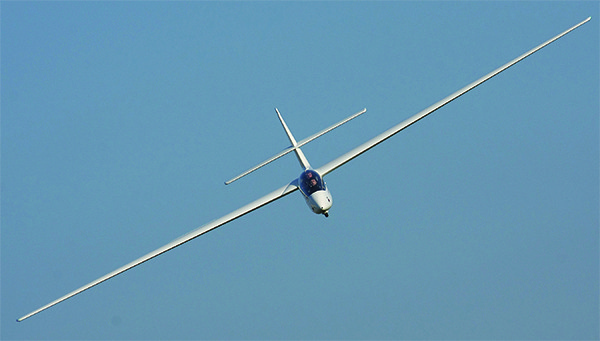
When a single's engine quits, you're a glider. Maximizing the time you can stay aloft to maneuver for a landing while traveling the most distance can require some finesse.
Gemini Sparkle

Key Takeaways:

  • The "Glide, Grass, Gas" mantra provides a crucial mental checklist for single-engine failure: prioritize maintaining best glide performance, selecting a suitable landing site, and attempting an engine restart.
  • The "Glide" phase emphasizes maximizing "finesse" (wing efficiency or L/D ratio) by setting the correct "best glide attitude" (often a few degrees nose-down) rather than fixating on precise airspeed. This allows pilots to focus on external factors while ensuring optimal glide.
  • To further maximize glide performance, pilots should understand how wind affects ground distance, always aim for a landing spot with excess altitude, and use smooth, coordinated control inputs to conserve energy and maintain efficiency.
See a mistake? Contact us.

My first flight instructor’s words from decades ago are stuck with me: “Glide, grass, gas,” he said, and then repeated it. “Glide, grass, gas.” He was talking about engine failures, and these three little words are a nice mental checklist for what to do when the engine of a single-engine airplane stops. Glide: Fly at the airplane’s “best glide” speed. Grass: Pick a place to land. Gas: Try to get the engine restarted.

I’ve never had to use Tom’s advice, but I still use his words when I teach my students what to do if an engine fails. “Glide, grass, gas, Steve,” I say, and repeat, “Glide, grass, gas.” If you come to me for a flight review, we’ll review it on the ground and, of course, in the air.


Ready to Sell Your Aircraft?

List your airplane on AircraftForSale.com and reach qualified buyers.

List Your Aircraft
AircraftForSale Logo | FLYING Logo
Pilot in aircraft
Sign-up for newsletters & special offers!

Get the latest stories & special offers delivered directly to your inbox.

SUBSCRIBE