













Register

FAA Advocates Angle Of Attack Sensors, Training

A new special airworthiness information bulletin (SAIB) from the FAA formally advises voluntary installation and use of low-airspeed alerting systems like AOA displays.

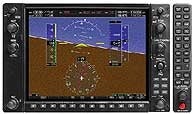
Garmin G1000
Gemini Sparkle

Key Takeaways:

  • Exceeding an aircraft's critical angle of attack (AOA) can cause stalls and fatal accidents, yet AOA indicators are not widely required for real-time monitoring.
  • The FAA recently issued SAIB 2024-07, recommending the voluntary installation of AOA alerting systems and pilot training for general aviation (FAR Part 23) and experimental aircraft.
  • This recommendation aims to reduce loss-of-control incidents by promoting awareness and adoption of these non-required, safety-enhancing systems.
See a mistake? Contact us.

Airfoils like the ones built into an airplane’s wing lose their lift when their critical angle of attack (AOA) is exceeded, which can happen at almost any airspeed. When an airplane’s wing exceeds its critical AOA, the wing stalls. What happens next…depends. When a stall catches a crew unawares—as happened aboard Colgan Air Flight 3407 on February 12, 2009, or Air France Flight 447 on June 1, 2009—fatalities are one outcome.

Although the effects of exceeding AOA are well known, there’s no instrumentation required aboard most airplanes that reveals it in real time. There still is no requirement to have an AOA indicator, but the FAA in late December took a major step toward making such equipment standard aboard the airplanes we fly.


Ready to Sell Your Aircraft?

List your airplane on AircraftForSale.com and reach qualified buyers.

List Your Aircraft
AircraftForSale Logo | FLYING Logo
Pilot in aircraft
Sign-up for newsletters & special offers!

Get the latest stories & special offers delivered directly to your inbox.

SUBSCRIBE