











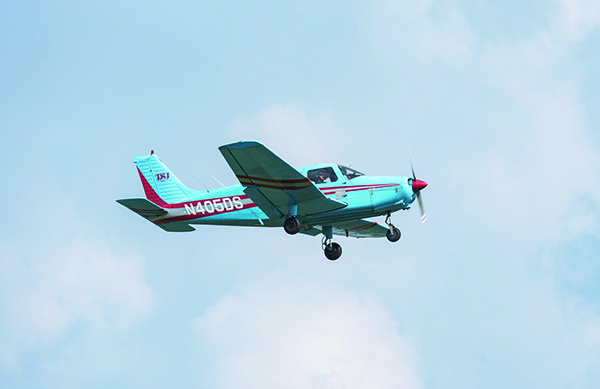


We all know—or should know—that an airplane’s wing stalls at its critical angle of attack. While that value varies from plane to plane and wing to wing, once that value is exceeded, the stall occurs, every time. What happens next depends on a variety of factors, including aerodynamic loading, attitude, bank angle, power and control surface deflection. Depending on these variables, the airplane could simply mush into a descent, spin off on a wing, or break straight ahead and pitch down. In fact, those same variables can determine the type of stall that occurs and how likely we are to get into one.
Planning and practicing stall entries and recoveries should be part of any proficiency training a pilot undertakes. And as with so many other maneuvers, we can do stalls on our own, without an instructor, which is both good and bad. The good part is it’s cheaper without an instructor. The downside is no one is around to watch for and catch mistakes or bad habits. And, as with so many things we do in an airplane, planning is important: questions like the type of stall to be performed and when recovery is to be initiated need to be settled before beginning. Here are some things to consider.

