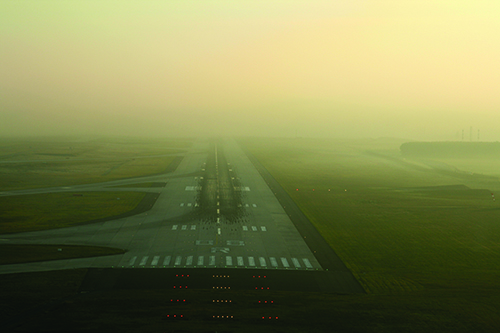
Pilots must specifically request Special VFR (SVFR) clearance, as Air Traffic Control (ATC) will not offer it and it is granted on a traffic-permitting basis, with IFR operations taking precedence.
SVFR clearances are available in Class B, C, D, and E surface areas, where ATC provides separation between SVFR and IFR flights within that airspace.
An SVFR clearance will not include a specific altitude, as the pilot must remain clear of clouds, but may contain "at or below" altitude instructions for traffic reasons, ensuring flight at or above minimum safe altitudes.
If you still have questions after perusing FAR 91.157, the FAA’s Aeronautical Information Manual may help. Highlights from its discussion (at para. 4-4-6) include:
1. Pilots must request an SVFR clearance; ATC won’t offer it (although controllers may hint at it: ”Is there anything special we can do for you today?”).
CREATE A FREE ACCOUNT
Sign up to keep reading
Create a free account to continue. Already a member? Sign in below.