













Register

Turbocharger V-Band Clamp AD Proposed

Gemini Sparkle

Key Takeaways:

  • The FAA proposed a new Airworthiness Directive (AD) requiring annual inspections and a 500-hour life limit for specific spot-welded, multi-segment v-band couplings in turbocharged aircraft exhaust systems due to ongoing failure concerns.
  • A new, effective AD mandates inspection or replacement of up to 740 new-manufacture Bendix S-1200 magnetos within 25 operating hours due to a lack of proper bearing lubrication, posing a risk of seizure and failure.
  • Congress is scrutinizing regulatory hurdles and delays in the approval process for lead-free aviation fuel substitutes, despite the FAA's commitment to a 2030 unleaded avgas deadline.
See a mistake? Contact us.

On July 27, 2022, the FAA proposed a new airworthiness directive (AD) that would require repetitive inspections of turbocharged, reciprocating engine-powered airplanes and helicopters, and turbocharged, reciprocating engines with “spot-welded, multi-segment v-band couplings at the tailpipe to the turbocharger exhaust housing flange.” Under the proposed AD, the clamps/couplings would be inspected annually, regardless of their accumulated time-in-service (TIS) and a life limit for the components would be established by removing them from service every 500 hours TIS. Since it is a proposed AD, not final, the FAA is requesting comments from the public by November 4, 2022.
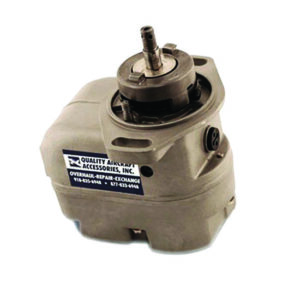
New-manufacture Bendix S-1200 magnetos, like the one pictured above, are the subject of another airworthiness directive (AD 2022-16-03), effective August 15, 2022. The components were produced without a specific grease being applied to internal bearings, which may lead to failure.

According to the preamble in the notice of proposed rulemaking (NPRM), the NTSB has made seven recommendations regarding the components since 1974. Additionally, there are 10 ADs already on the books, plus an additional 11 special airworthiness information bulletins (SAIBs) addressing the components as installed on various turbocharged piston engines, whether installed at the time of production, under a supplemental type certificate (STC) or other means. The FAA said, “In spite of these efforts, failures continue to occur and the number of significant safety events continues to increase.”


Ready to Sell Your Aircraft?

List your airplane on AircraftForSale.com and reach qualified buyers.

List Your Aircraft
AircraftForSale Logo | FLYING Logo
Pilot in aircraft
Sign-up for newsletters & special offers!

Get the latest stories & special offers delivered directly to your inbox.

SUBSCRIBE