











Treat and well-illustrated article on the whys and hows of pre-heating (“Pre-Heating,” January 2010). I, too, have an Archer II (at MMU). I invested in the sump and heating bands, which is the best you can do if you are poor. A heated hangar here will cost you your first-born male child and a kidney. 288
Pre-Heating
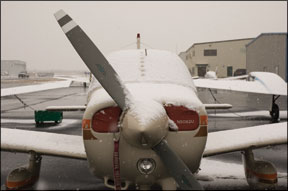
Treat and well-illustrated article on the whys and hows of pre-heating ("Pre-Heating," January 2010). I, too, have an Archer II (at MMU). I invested in the sump and heating bands, which is the best you can do if you are poor. A heated hangar here will cost you your first-born male child and a kidney. However, I purchased a Makita one-kilowatt gas-driven generator. I leave it on my trucks tailgate, start it and plug in the bands and sump heater. I go back into the cab, have some coffee, do my pre-flight, and in 35 minutes, we are ready to go, assuming a 17-to-20 deg. F ambient temperature. If I am going to land and stay overnight, I bring the generator with me. It weighs about 35 lbs, and you have to tie it down so it doesnt move (it has gasoline in it). The Makita was about $1000 when I purchased it five years ago. There is now a lot of competition and there are nice units available starting at $500.

Key Takeaways:
- The article features diverse pilot perspectives on engine pre-heating, including a cost-effective portable generator solution, and emphasizes that consistent flying and regular oil changes are key for engine longevity in cold weather.
- Supplemental oxygen is strongly recommended for night flying above 5000 feet MSL to counter the negative impact of mild hypoxia on vision.
- A cautionary tale highlights the critical need for pilots to personally verify fuel cap security during pre-flight checks, as relying solely on fuel gauges or totalizers can lead to dangerous fuel loss.
- Clear graphical representations of aviation procedures, such as traffic pattern entry, are highly valued by pilots for effective instruction and understanding.
Key takeaways sponsored by Aviator Pro | Start Your Training ->
See a mistake? Contact us.

