











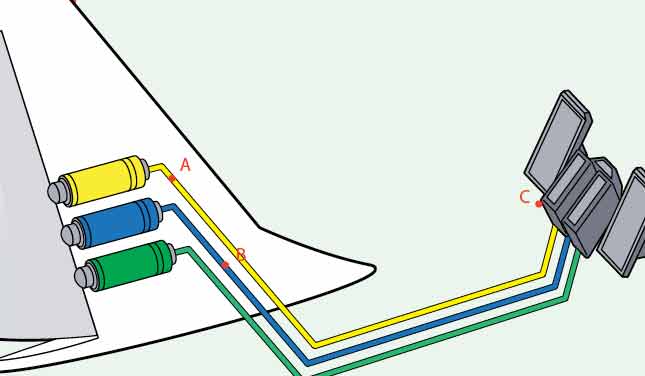
In its most basic form, a yaw damper inhibits movement of an aircraft around its vertical axis, performing like an automated set of feet on the rudder pedals.
How It Works: Yaw Damper

Key Takeaways:
- A yaw damper automatically stabilizes an aircraft's movement around its vertical axis by applying precise rudder inputs, effectively smoothing out fishtailing and inhibiting Dutch roll, a wallowing combination of yawing and rolling.
- Using sensors and avionics, the system ensures coordinated turns and a more comfortable ride, often engaging automatically above specific altitudes in modern aircraft while providing envelope protection.
- While beneficial for stability, yaw dampers are often pilot-selectable or disengaged during critical phases like takeoff or landing in certain aircraft to prevent interference with pilot control or the identification of powerplant failures.
- Pilots flying aircraft with yaw dampers may become accustomed to not using rudder pedals for turns, leading to a need for reacquaintance with manual rudder input when transitioning to aircraft without the system.
Key takeaways sponsored by Aviator Pro | Start Your Training ->
See a mistake? Contact us.

