Your shop gave you bad advice. Garmin says that the frequencies are sufficiently different, even counting various harmonics, that interference wouldnt be an inherent problem. They do, though, recommend a minimum of two feet between a GPS antenna and any strong transmitter. There are few, if any, airframes where it would be impossible to get at least that. If your tech, however, has seen that problem, its likely due to other factors, like poor antenna grounding, poor connections, bad wiring, etc., but not antenna proximity unless they were right next to each other.
The article corrects several common aviation misconceptions, including proper descent angle ratios (1:20 for 3 degrees) and confirming that ADS-B Out antenna diversity is generally feasible for small aircraft, provided minimum separation from GPS antennas is maintained.
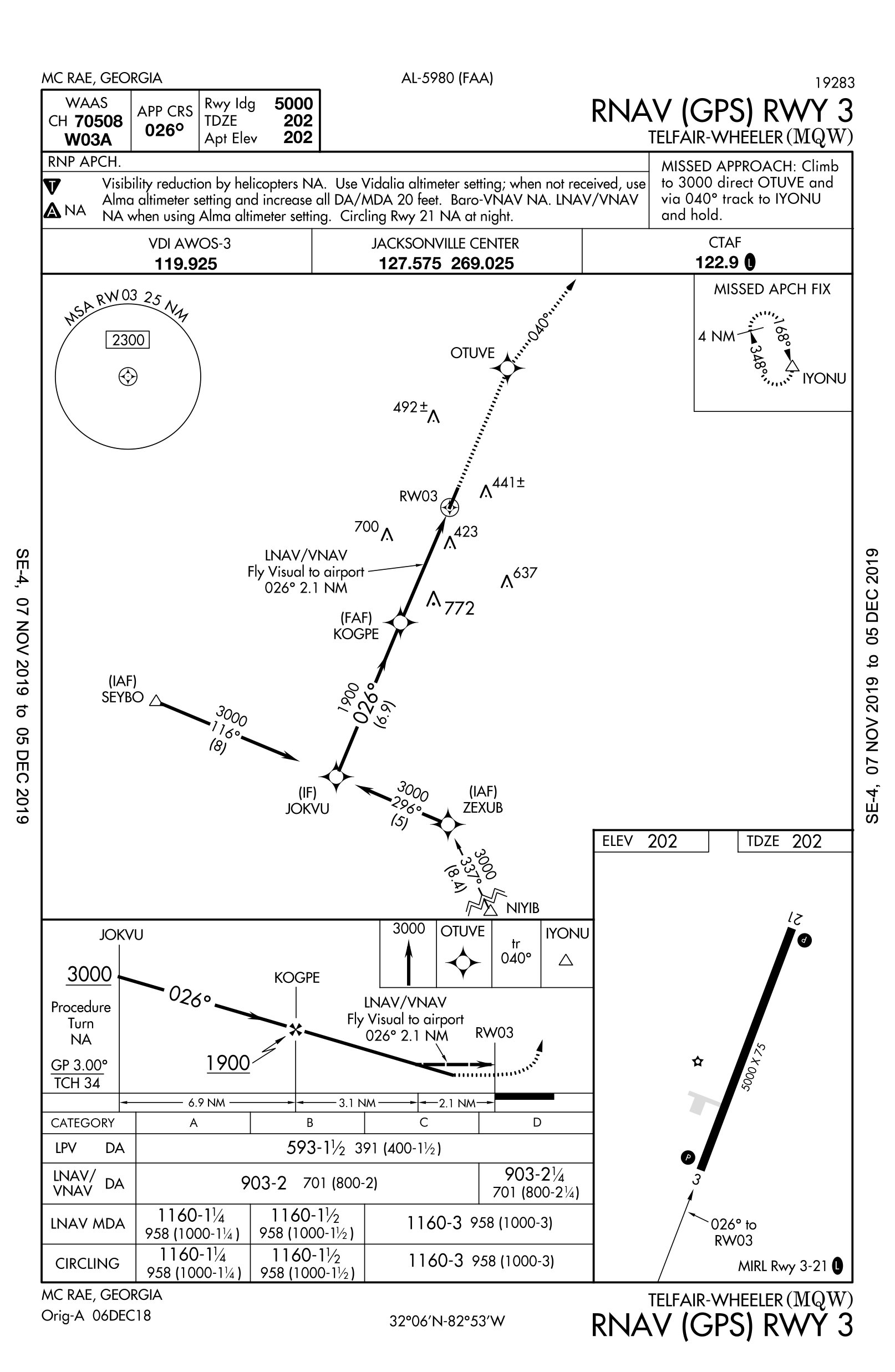
It clarifies that LPV approaches are considered "precision-like" for FAA ACS testing but are formally classified as Approaches with Vertical Guidance (APV) and not true precision approaches for other regulatory purposes.
Updates include a Garmin navdata fix (cycle 1912) resolving G1000 issues with omitted approaches due to VDA=0 coding, and an explanation for why Minimum Safe Altitudes (MSAs) might occasionally be lower than Initial Approach Fix (IAF) altitudes due to required descent gradients.
Your August article “Reading the Fine Print” contains a sequence of errors regarding what is considered a normal or a steep descent angle. Contrary to what the article says 1:20 is in fact the normal 3 degree (2.9 to be exact) glidepath. On the other hand 1:34 is not a 3 degree slope but a much shallower 1.7 degree.
Michael Jastrzebski Oakland, CA
CREATE A FREE ACCOUNT
Sign up to keep reading
Create a free account to continue. Already a member? Sign in below.