














Register

Taking Wing: Taildraggers Suck!

Gemini Sparkle

Key Takeaways:

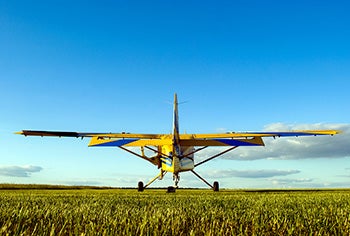
  • Taildragger aircraft are inherently unstable on the ground, making landings and taxiing challenging and prone to groundloops, which requires constant precision and can lead to embarrassing incidents for pilots.
  • Despite being largely superseded by easier-to-handle tricycle-gear planes, taildraggers have seen a resurgence in popularity, driven by their aesthetics, nostalgia, utility for rough fields, and the perceived "street cred" from mastering their demanding nature.
  • The demanding characteristics of taildraggers serve as an effective training tool, enforcing precision, strengthening stick-and-rudder skills, discouraging complacency, and ultimately fostering humility and better piloting abilities.
See a mistake? Contact us.

It was a typical spring day in Minnesota, warm and clear at last, but with a brisk south wind blowing across the runway. I’d just driven 45 minutes to fly the Cub for the first time since November, and I thought that the wind was still within the plane’s capability. Once I broke ground and was promptly churning sideways through the maelstrom, though, it didn’t seem like such a great idea after all. I climbed above the bumps and did a bunch of stalls, slow flight and steep turns, reacquainting myself with the old bird’s handling and psyching myself up for the dismount. Back at Airlake Airport, I surprised myself with an artful crosswind landing and was feeling pretty good as I taxied off the runway. Then a mighty gust caught the little J-3, it weathervaned to the right, and my frantic jabs at the left heel brake had little effect.

A large and sturdy-looking taxiway light appeared in the path of my spinning propeller. In desperation I threw in a bootful of right rudder, looping the tail around and avoiding an expensive prop strike. I sheepishly gunned the power to clear the runway for the following airplane, whose occupants no doubt witnessed my low-speed escapade. To my surprise, it was a Flight Design CTLS, an airplane that is nearly as light as the Cub. Naturally, the pilot made a textbook crosswind landing and taxied to the ramp with military crispness.


Sam Weigel

Sam Weigel has been an airplane nut since an early age, and when he's not flying the Boeing 737 for work, he enjoys going low and slow in vintage taildraggers. He and his wife live west of Seattle, where they are building an aviation homestead on a private 2,400-foot grass airstrip.

Ready to Sell Your Aircraft?

List your airplane on AircraftForSale.com and reach qualified buyers.

List Your Aircraft
AircraftForSale Logo | FLYING Logo
Pilot in aircraft
Sign-up for newsletters & special offers!

Get the latest stories & special offers delivered directly to your inbox.

SUBSCRIBE
