The visual of large blue and green aluminum fragments floating in the ice-laden Potomac River as we descended on our approach into Washington National Airport is still vivid enough to remain locked in my memory. The evening prior, Air Florida Flight 90, a Boeing 737-200, had crashed into the 14th Street Bridge just after takeoff during a nasty snowstorm.
Fighting Mother Nature’s Wintertime Fury

Key Takeaways:
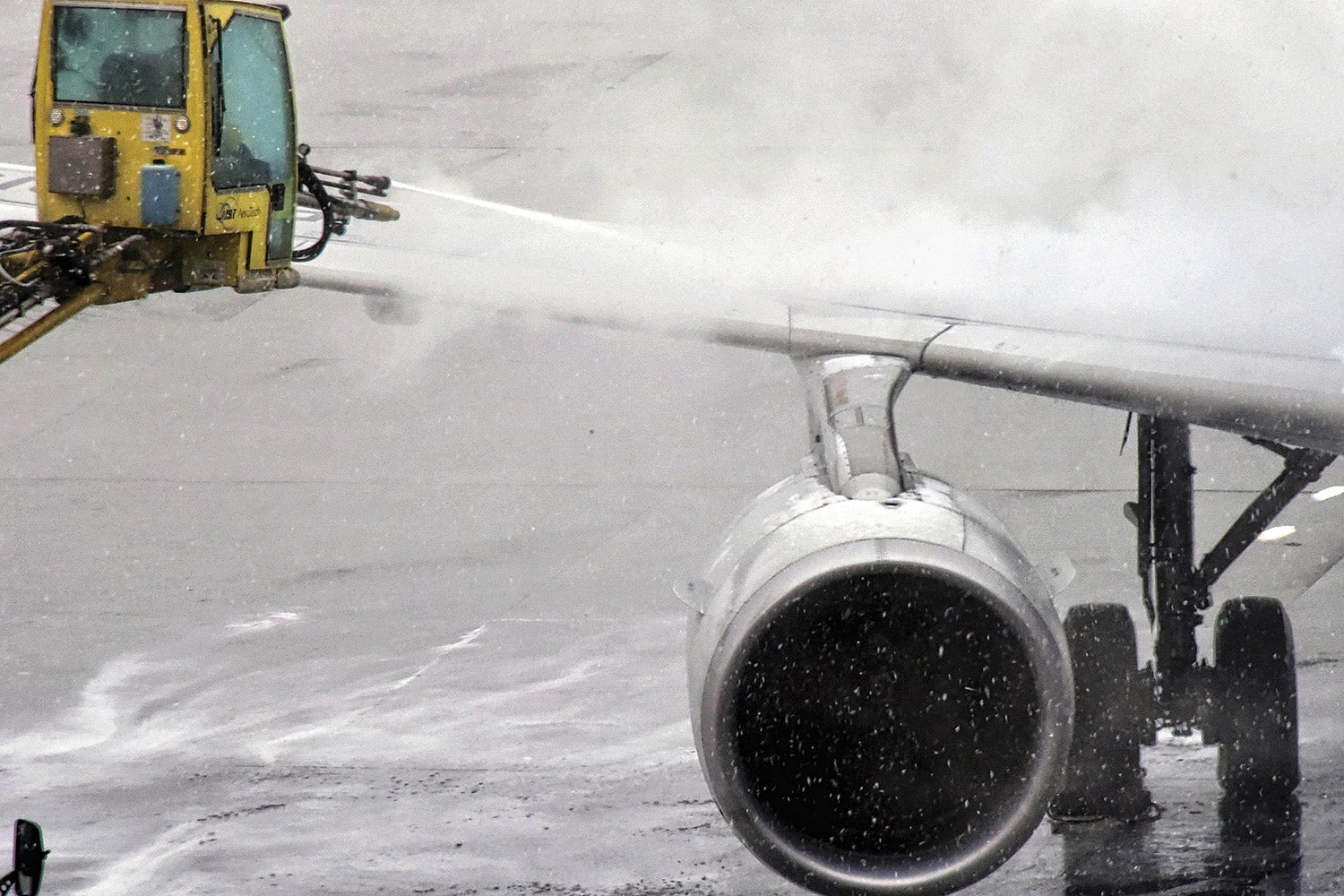
- Airline industry protocols for airframe icing significantly improved after the 1992 USAir Flight 405 crash, leading to the adoption of Type IV anti-icing fluids, strategically located deicing stations, and definitive contamination evaluation procedures.
- Pilot-led management of anti-icing "holdover time" evolved from subjective paper charts to iPad applications that calculate and alert to the end of the effective period, though the captain retains final decision authority.
- Vaisala's CheckTime technology represents the latest advancement, using sensors to measure liquid water equivalent (LWE) and provide continuous, real-time updates on anti-ice fluid effectiveness directly to the cockpit, enhancing safety and operational efficiency by reducing guesswork.
Key takeaways sponsored by Aviator Pro | Start Your Training ->
See a mistake? Contact us.