















Register

Jumpseat: On Guard

Gemini Sparkle

Key Takeaways:

  • Airline pilots generally monitor guard frequency (121.5 MHz) but may prioritize other frequencies like air-to-air (123.45 MHz) in certain regions (e.g., South America) or during critical flight phases (e.g., below 10,000 feet AGL) where distraction is a concern.
  • Guard frequency is used for distress calls and ATC contact when other methods fail, but also frequently experiences accidental transmissions and, on occasion, serves as an emergency channel for general aviation aircraft in trouble.
  • Despite its occasional peculiarities, monitoring guard frequency remains a professional responsibility for assisting fellow aviators, as highlighted by a suspicious incident where a pilot with reported pitch control issues ultimately parachuted from his "distressed" aircraft.
See a mistake? Contact us.

(March 2011) ON OCCASION, I AM ASKED if we airline types actually monitor guard frequency — 121.5. My stock answer is “Of course.” And for the most part, I’m telling the truth. However, in some circumstances it’s not practical. What are those circumstances?

I don’t want to speak for all my colleagues, but below 10,000 feet agl, which defines the sterile period for most commercial operations, I don’t make guard frequency a priority. Operating below 10,000 feet usually coincides with the terminal arrival or departure process. Chatter on another radio could be a potential distraction.
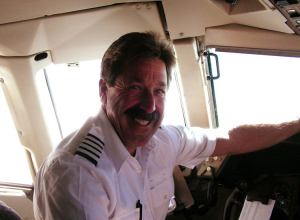

Les Abend

Les Abend is a retired, 34-year veteran of American Airlines, attempting to readjust his passion for flying airplanes in the lower flight levels—without the assistance of a copilot.

Ready to Sell Your Aircraft?

List your airplane on AircraftForSale.com and reach qualified buyers.

List Your Aircraft
AircraftForSale Logo | FLYING Logo
Pilot in aircraft
Sign-up for newsletters & special offers!

Get the latest stories & special offers delivered directly to your inbox.

SUBSCRIBE
