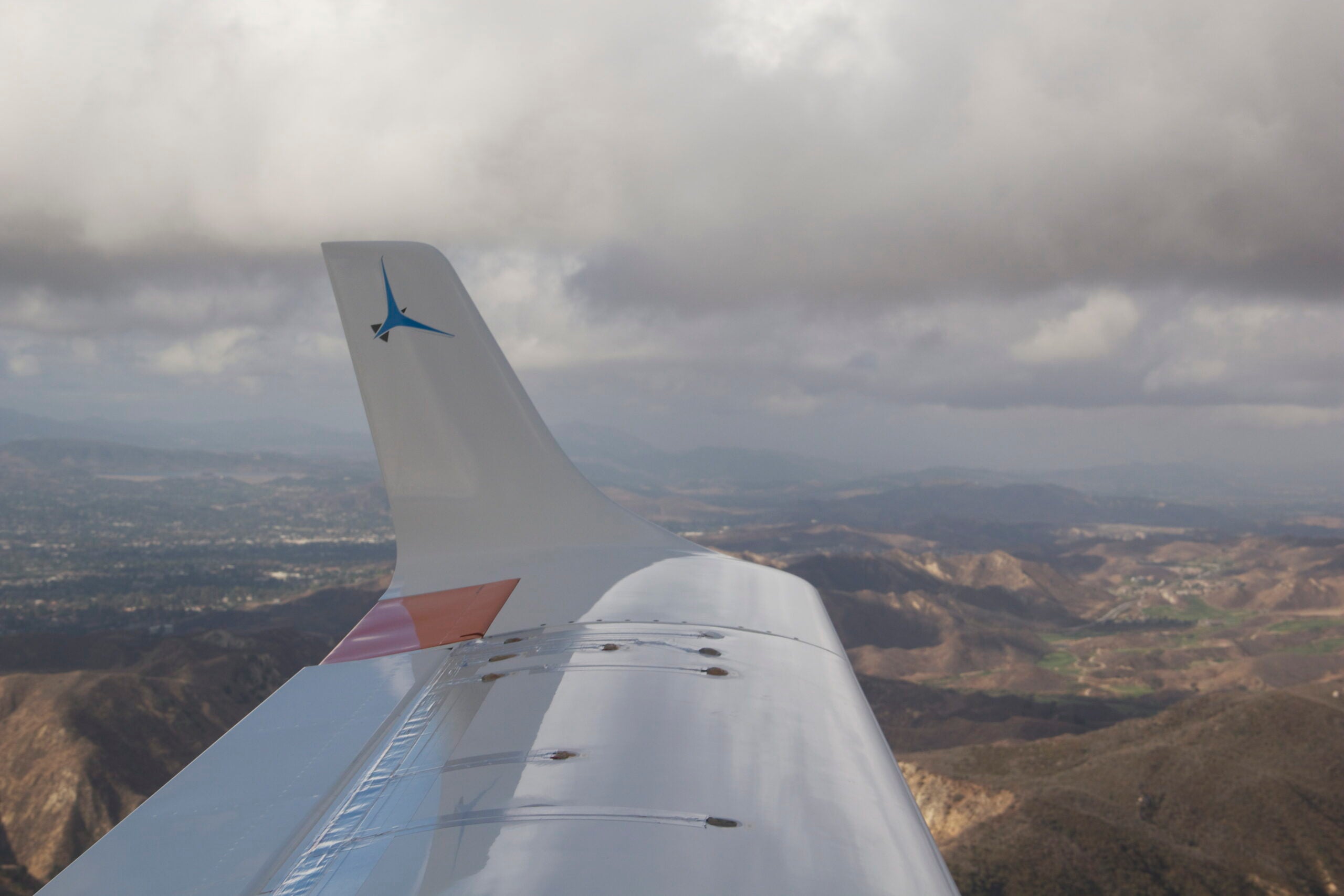
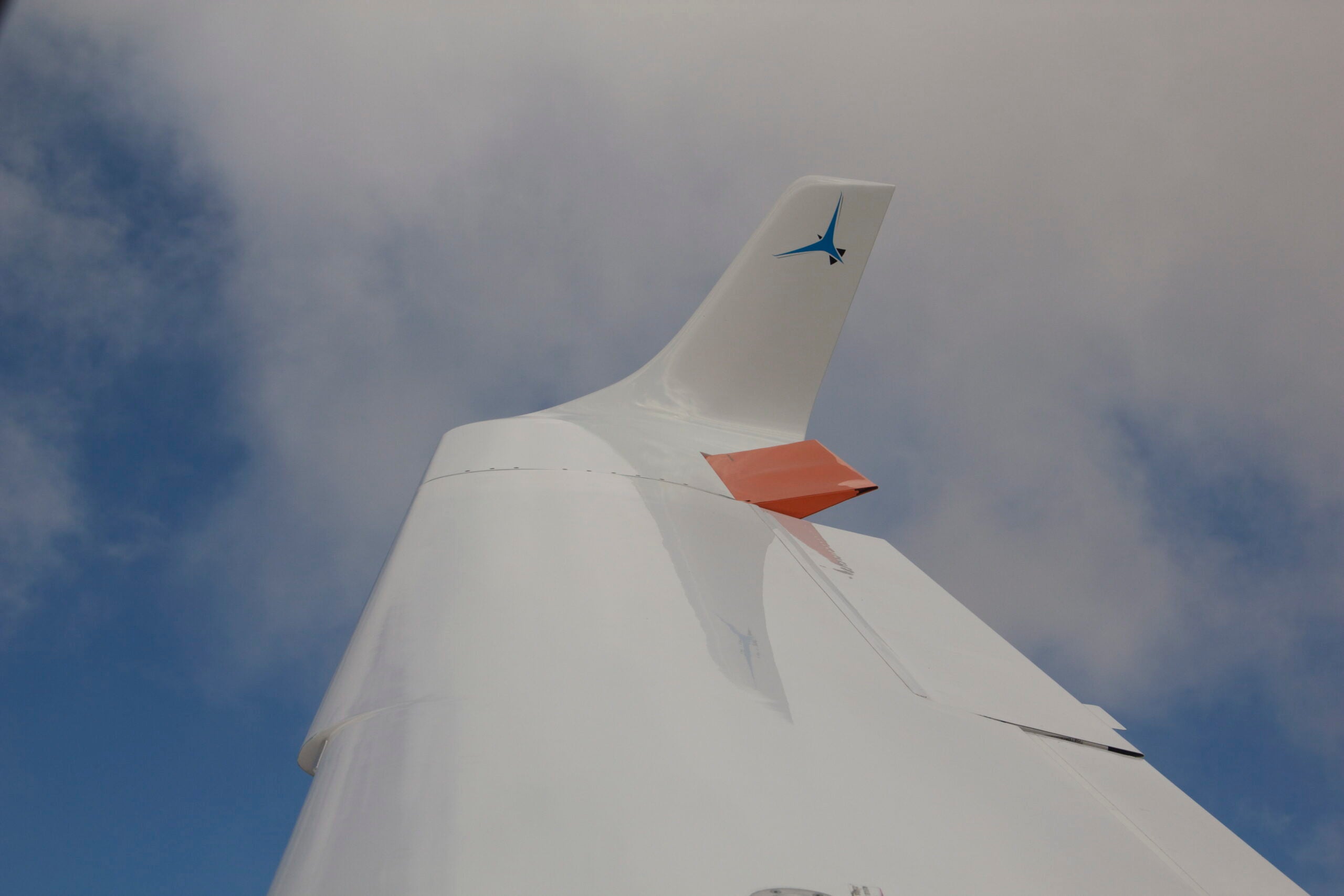
Tamarack's Active Technology Load Alleviation System (ATLAS) features Active Control Surfaces (TACS) that deploy within 100 milliseconds when loads exceed 1.5 G, reducing wing stress by deactivating the winglet.
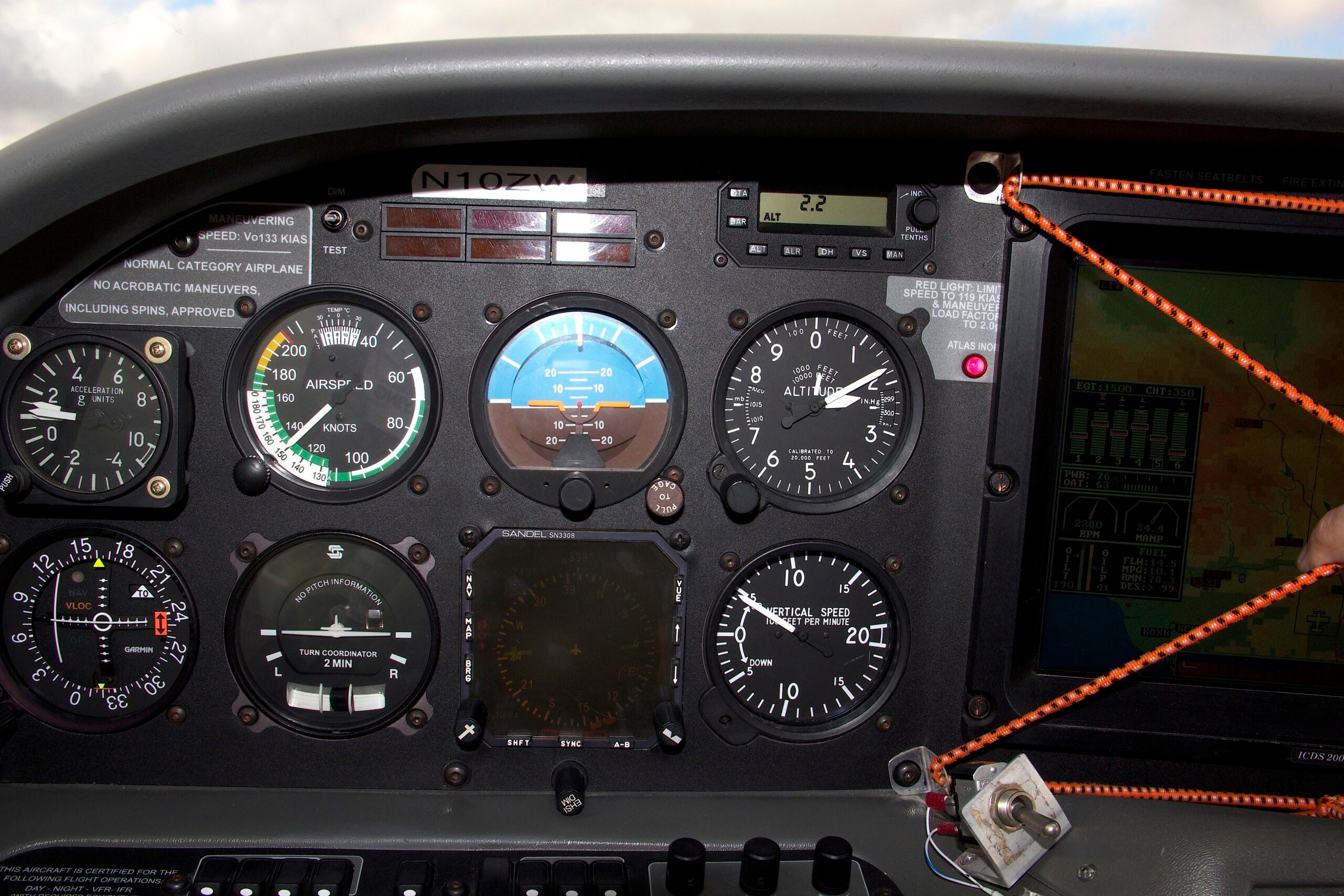
The system includes cockpit integration with an on/off switch, G-meter, and an annunciator light that alerts the pilot to operational limits if ATLAS is off or malfunctioning.
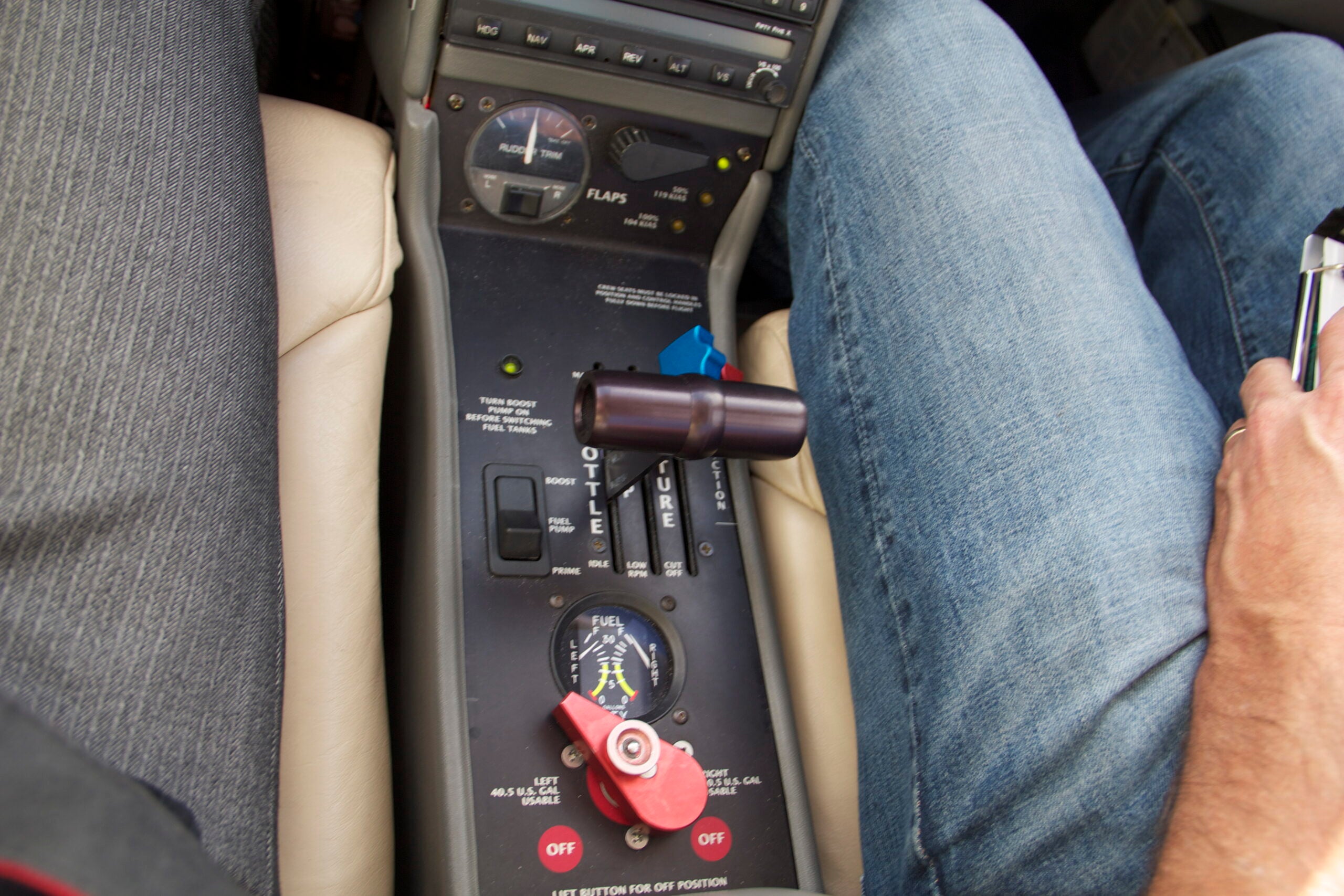
Tamarack has developed additional modifications for the Cirrus SR22, such as an adjustable propeller control for improved fuel efficiency and reduced noise.
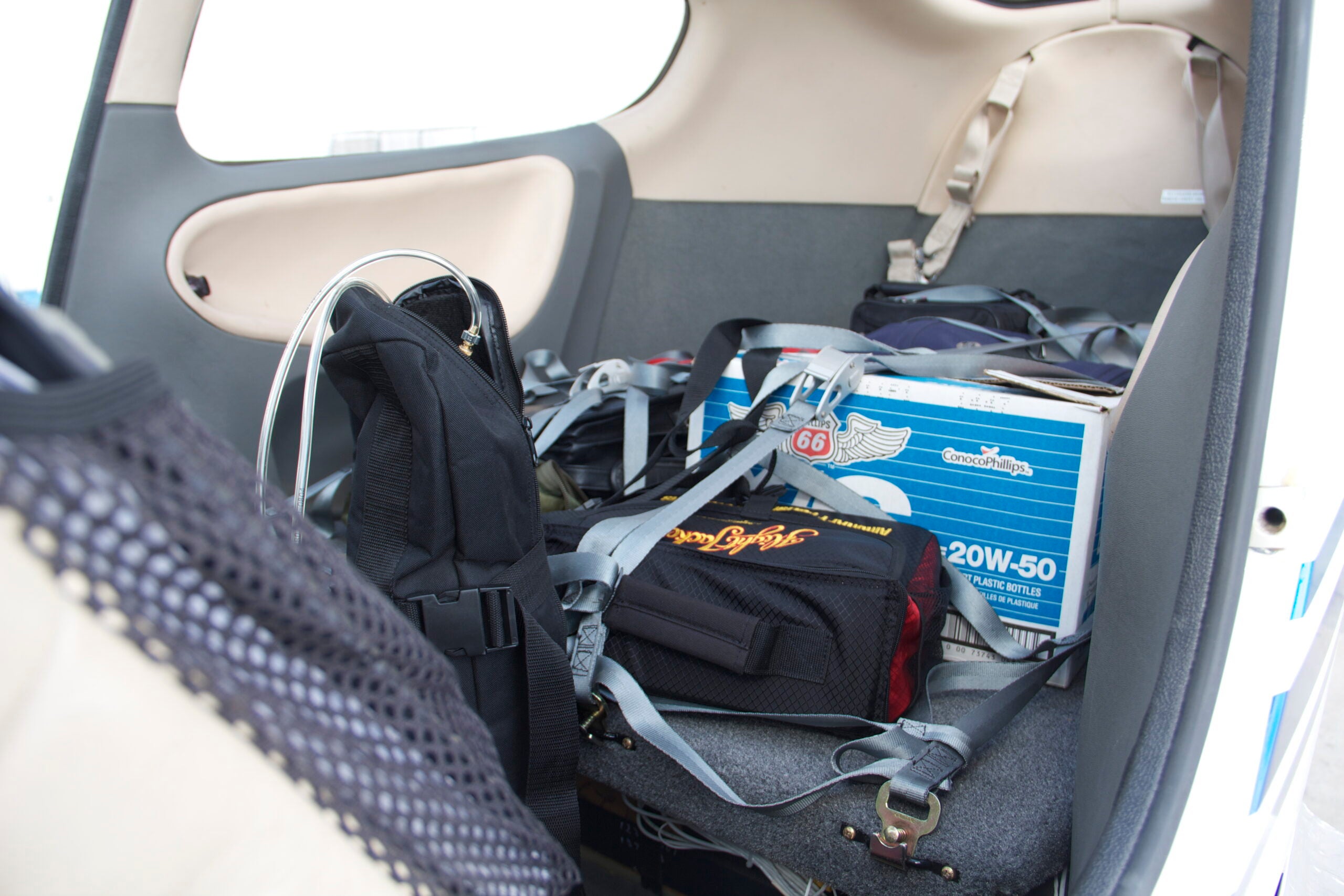
Other enhancements include a cargo conversion for increased luggage space and winglets that extend the wingspan, lower stall speed, and enhance ground effect.
Here’s a closer look at the Active Technology Load Alleviation System.
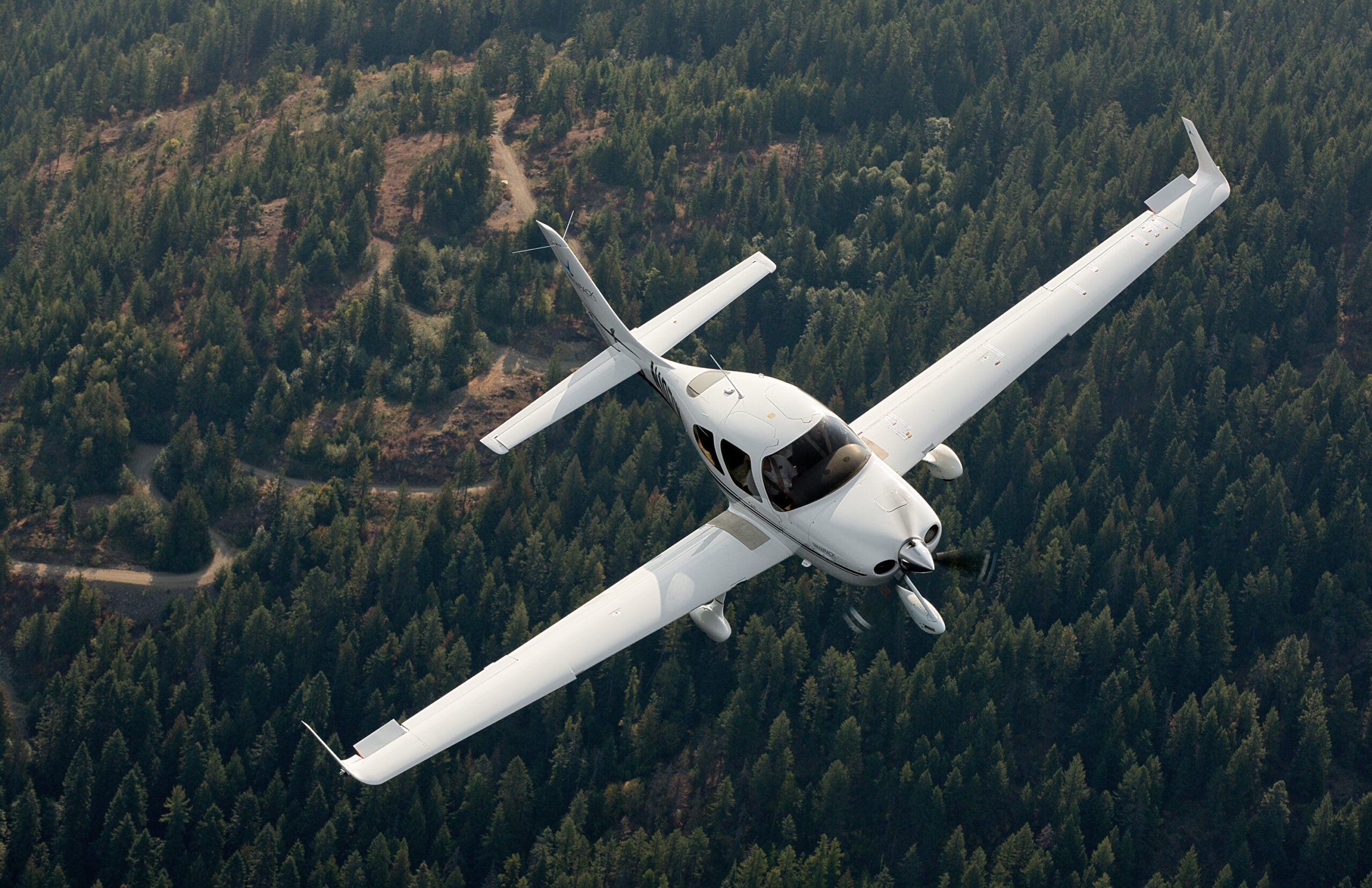
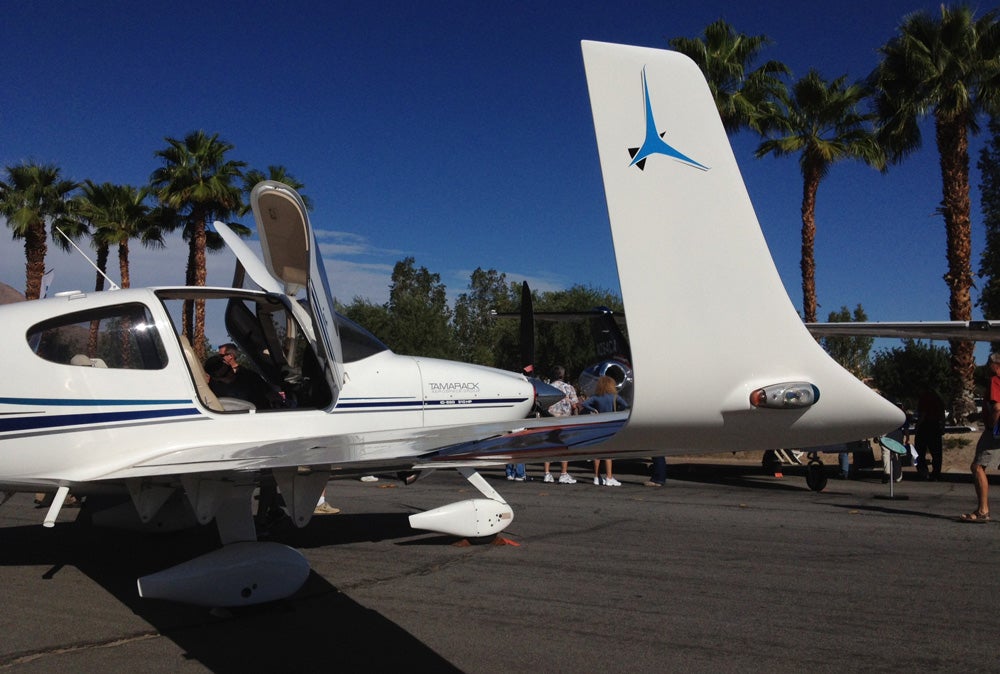
With no load on the wings, the TACS stay aligned with the trailing edge of the wings. The sensors on the wing are only a part of the test airplane and are not components of the system.When loads exceed 1.5 g, the TACS deploy within 100 milliseconds to deactivate the winglet and reduce wing stress. When we hit turbulence turbulent air, the TACS deployed and neutralized quickly. When we imposed loads to the wings through maneuvers, the TACS remained deployed.**The panel of Tamarack’s Cirrus SR22 clearly shows the experimental flight test status of the airplane. There is a G-meter on the left side of the round gauges, a switch to turn the ATLAS system on and off at the bottom right and an annunciator light that comes on if the system is not functioning (or turned off), alerting the pilot to slow to 119 knots and keep the G loads below two G. **While working on the ATLAS STC, Tamarack developed an STC to add an adjustable propeller control to the throttle quadrant. The smoother engine sound during the takeoff and lower noise level with the lower RPM settings in cruise was noticeable. And the ability to reduce the propeller RPM allows pilots to save a few bucks on fuel.Another modification Tamarack has developed for the Cirrus is a cargo conversion that allows for the removal of one or both of the rear seats to increase the useful load and provide more space for luggage. The cost is $1,905 and Tamarack expects STC approval soon.**Tamarack’s winglets add five inches to the wingspan of the Cirrus SR22. During our flight, the airplane stalled at around 56 knots, a few knots below the white arc on the airspeed indicator. At a normal approach speed, the higher aspect ratio also made the airplane stay longer in ground effect. **Marie-Dominique Verdier
CREATE A FREE ACCOUNT
Sign up to keep reading
Create a free account to continue. Already a member? Sign in below.















 |
|
