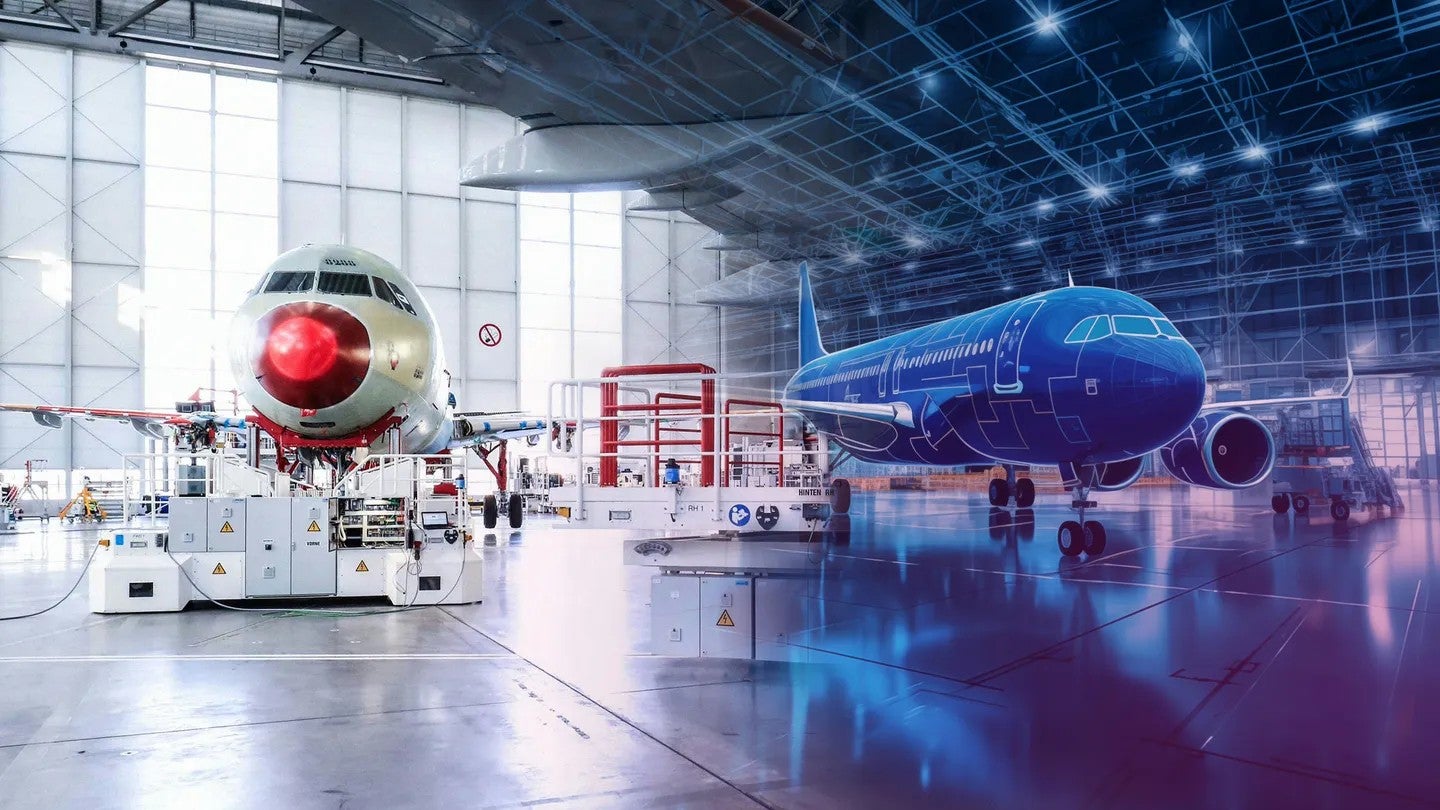
Airbus Is Using Software to Make Digital Twins of Its Aircraft
Manufacturing giant is incorporating digital twin software across all divisions to improve quality and safety, speed design and production, and lower costs.
Airbus uses advanced software to create digital twins of aircraft, production flows, and maintenance cycles. [Courtesy: Airbus]
Key Takeaways:
Airbus is extensively deploying digital twin technology across all phases of aircraft design, production, operation, and maintenance, creating "dynamic, living virtual replicas" of its real-world counterparts.
This technology is revolutionizing aircraft development by enhancing speed, efficiency, safety, and cost savings, reducing the need for physical prototypes, and enabling predictive maintenance.
The digital twin deployment spans all Airbus divisions—from commercial aircraft to helicopters to defense and space—and is being further enabled by an extended partnership with Dassault Systèmes for future programs.
Jack is a staff writer covering advanced air mobility, including everything from drones to unmanned aircraft systems to space travel—and a whole lot more. He spent close to two years reporting on drone delivery for FreightWaves, covering the biggest news and developments in the space and connecting with industry executives and experts. Jack is also a basketball aficionado, a frequent traveler and a lover of all things logistics.