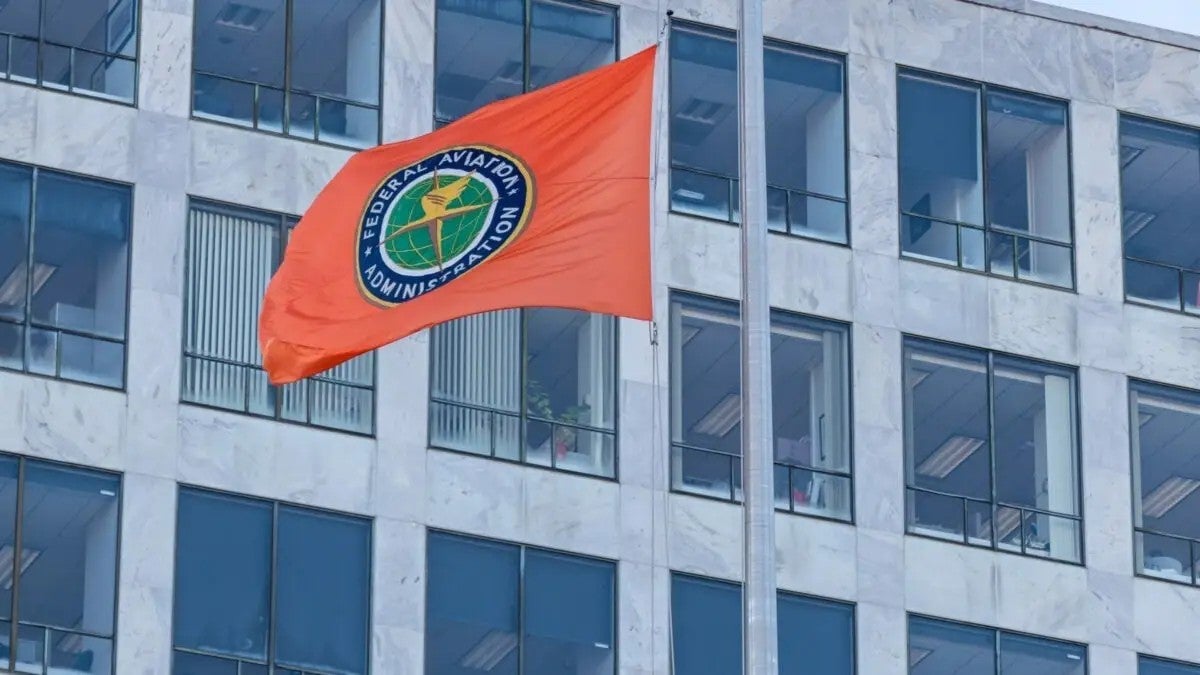
The FAA is required to investigate and provide corrective actions following a mishap event via its Mishap Response Program. [Courtesy: Shutterstock]
Key Takeaways:
The FAA has completed investigations into January launch mishaps for Blue Origin's New Glenn and SpaceX's Starship Flight 7, accepting both companies' internal findings and proposed corrective actions.
Blue Origin's New Glenn lost its lower stage due to an inability to restart its engines, leading to seven identified corrective actions. SpaceX's Starship Flight 7 exploded due to stronger than anticipated vibrations causing propulsion system hardware failure, resulting in eleven corrective actions.
A second Starship (Flight 8) also exploded in March, initiating a new, ongoing FAA investigation; SpaceX cannot launch Starship again until this investigation is concluded, accepted by the FAA, and all licensing requirements are met.
The Federal Aviation Administration has completed its investigations looking into “mishaps” that occurred during Blue Origin’s New Glenn rocket launch and SpaceX’s Starship Flight 7 in January.
Jack is a staff writer covering advanced air mobility, including everything from drones to unmanned aircraft systems to space travel—and a whole lot more. He spent close to two years reporting on drone delivery for FreightWaves, covering the biggest news and developments in the space and connecting with industry executives and experts. Jack is also a basketball aficionado, a frequent traveler and a lover of all things logistics.