














Register

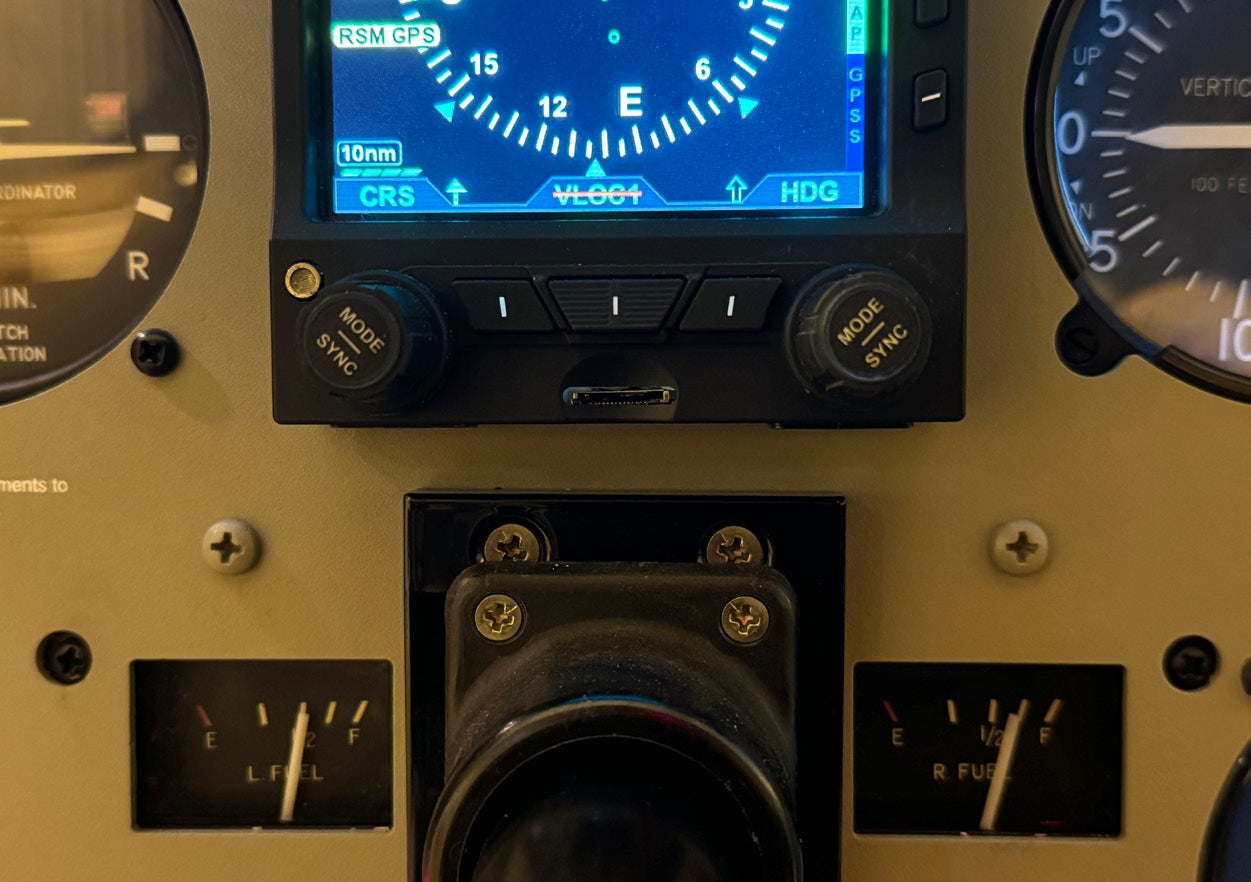
Why Are Legacy Aircraft Fuel Gauges Notoriously Inaccurate?

Answer can be traced to a combination of multiple things—corrosion, latency, and time.

Gemini Sparkle

Key Takeaways:

  • Legacy aircraft fuel gauges are notoriously inaccurate due to a combination of corrosion (caused by moisture in fuel and dissimilar metals), stagnation (fuel sitting motionless for extended periods), and wear from aircraft movements and age.
  • These inaccuracies can lead to false fuel level readings and contribute to fuel starvation accidents, which are a leading cause of aircraft incidents.
  • The recommended solution is to upgrade legacy fuel senders with modern, high-tech, corrosion-resistant digital sensors and compatible digital fuel gauges, which are available via STCs for many older aircraft.
See a mistake? Contact us.

Question: Why are legacy aircraft fuel gauges notoriously inaccurate?

Answer: It is the combination of multiple things—corrosion, latency, and time.

There is always trace amounts of moisture in fuel, and it produces compounds that are corrosive. While most of the aircraft is aluminum (which is lighter and less susceptible to corrosion), steel is used in specific applications (such as older fuel senders) because of its conductive qualities and low cost.


FLYING Staff

FLYING Magazine is a one-stop resource for everything aviation, including news, training, aircraft, gear, careers, photos, videos, and more.

Ready to Sell Your Aircraft?

List your airplane on AircraftForSale.com and reach qualified buyers.

List Your Aircraft
AircraftForSale Logo | FLYING Logo
Pilot in aircraft
Sign-up for newsletters & special offers!

Get the latest stories & special offers delivered directly to your inbox.

SUBSCRIBE
