

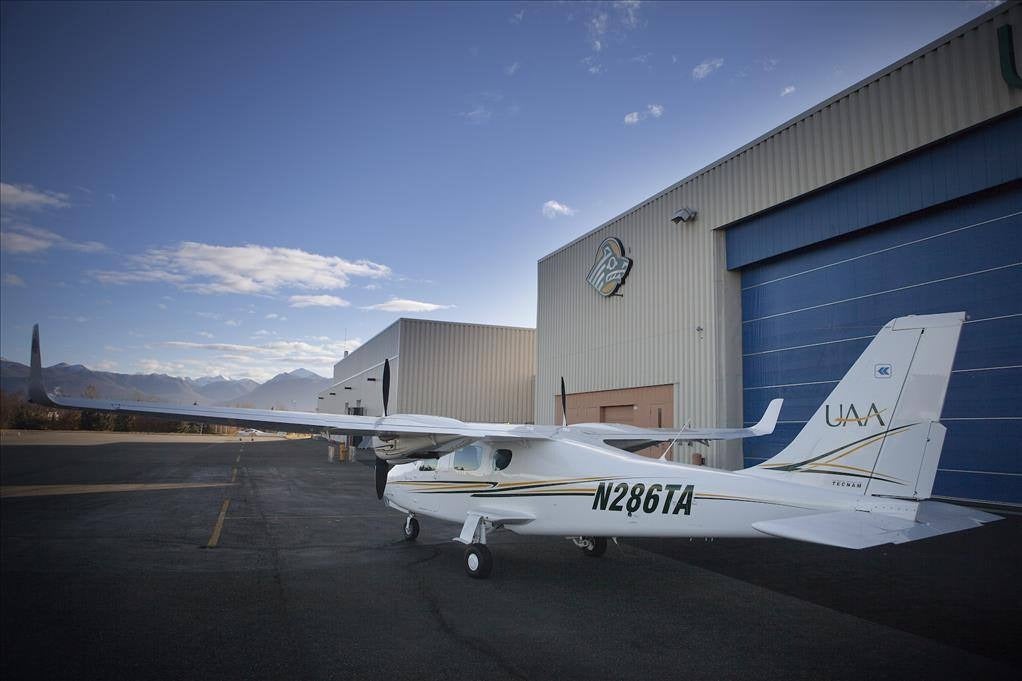
Alaska has one flight school in our list of recommended programs nationwide, part of our nationwide flight schools guide.
Below, our editorial team’s profile of Alaska Floats & Skis (Talkeetna): what it offers, who it’s a fit for, and the credentials worth knowing about before you apply.
All Flight Schools in Alaska
Alaska Floats & Skis (Talkeetna)
Talkeetna, AK
Best for: Students wanting seaplane + ski-plane training in Alaska's bush flying environment
Alaska Floats & Skis (Talkeetna) is an independent flight academy based in Talkeetna, AK. Notable as the premier AK floats + skis specialty.
- Tuition & fees
- Variable, Alaska bush specialty.
- Program length
- Variable.
- Fleet
- Cessna 185, Super Cub, Beaver on floats/skis.
- Airline partnerships
- AK bush operator pipelines.
- Job placement
- Strong via AK bush operator network.
- Online options
- Limited.
Nearby Results
A few notable programs in neighboring states for readers willing to travel.
Central Washington University, Department of Aviation
WashingtonEllensburg, WA
Green River College, Aviation Technology
WashingtonAuburn, WA
How to Choose a Flight School in Alaska
Choosing a flight school in Alaska comes down to matching the program to your goal (airline pilot, corporate, helicopter, instructor) and your timeline. Use the considerations below to narrow the list.
- Decide between a degree and an accelerated certificate. Accelerated academies (like Alaska Floats & Skis (Talkeetna)) skip the degree and aim to get you to the airlines in 9 to 18 months.
- Confirm FAA Part 141 vs. Part 61. Part 141 schools follow an FAA-approved structured syllabus, which lets you finish the commercial certificate in fewer hours. Part 61 schools are more flexible but require more total flight time. Verify the certification path with each school before enrolling.
- Confirm financial aid eligibility. The Alaska school below participates in federal financial aid programs, which matters because flight training is one of the most expensive vocational paths in the country. VA benefits, scholarships, and tuition rebates can offset substantial portions of cost.
- Visit the campus or do a discovery flight. Tuition, fleet size, and partnerships are easy to compare on paper, but program culture, instructor quality, and weather-driven flight cancellations are not. A campus visit and a short intro flight are the fastest way to read a school before you commit to a multi-year investment.
Frequently Asked Questions About Flight Schools in Alaska
Why choose a flight school in Alaska?
Choosing a flight school in Alaska keeps you close to 1 program featured in our guide. Local schools matter because flight training is hour-intensive. Staying in-state keeps housing costs down and makes campus visits feasible while you choose.
Do any aviation schools in Alaska offer job placement?
Yes, at least one flight school in Alaska publishes job-placement data. Alaska Floats & Skis (Talkeetna) reports placement outcomes for its graduates. Other schools in the list below may track placement internally without publishing it. Ask each program for current numbers when you compare.
What if a school doesn't offer FAA Part 141?
If a school doesn’t offer FAA Part 141, it most likely operates under Part 61. Part 141 schools follow an FAA-audited syllabus and let students earn the commercial certificate in fewer total flight hours (typically 190 hours versus 250 hours under Part 61). Part 61 schools are more flexible and often cheaper hour-for-hour, but they require more total time to reach the same ratings. None of the Alaska schools below are listed as Part 141 in our data. If Part 141 matters to you, expand your search to neighboring states.
Is financial aid available for Alaska aviation programs?
Yes, financial aid is available for Alaska aviation programs. The school profiled here participates in federal financial aid programs (Title IV), and it may also offer institutional scholarships, VA / GI Bill benefits, or partner financing through Sallie Mae or similar lenders. Aid eligibility varies by program type. Community college and university degrees usually qualify, while standalone Part 141 academies are case-by-case.