


Register

Why Choose a Piston Plane?

For aviation enthusiasts, simpler is often better.

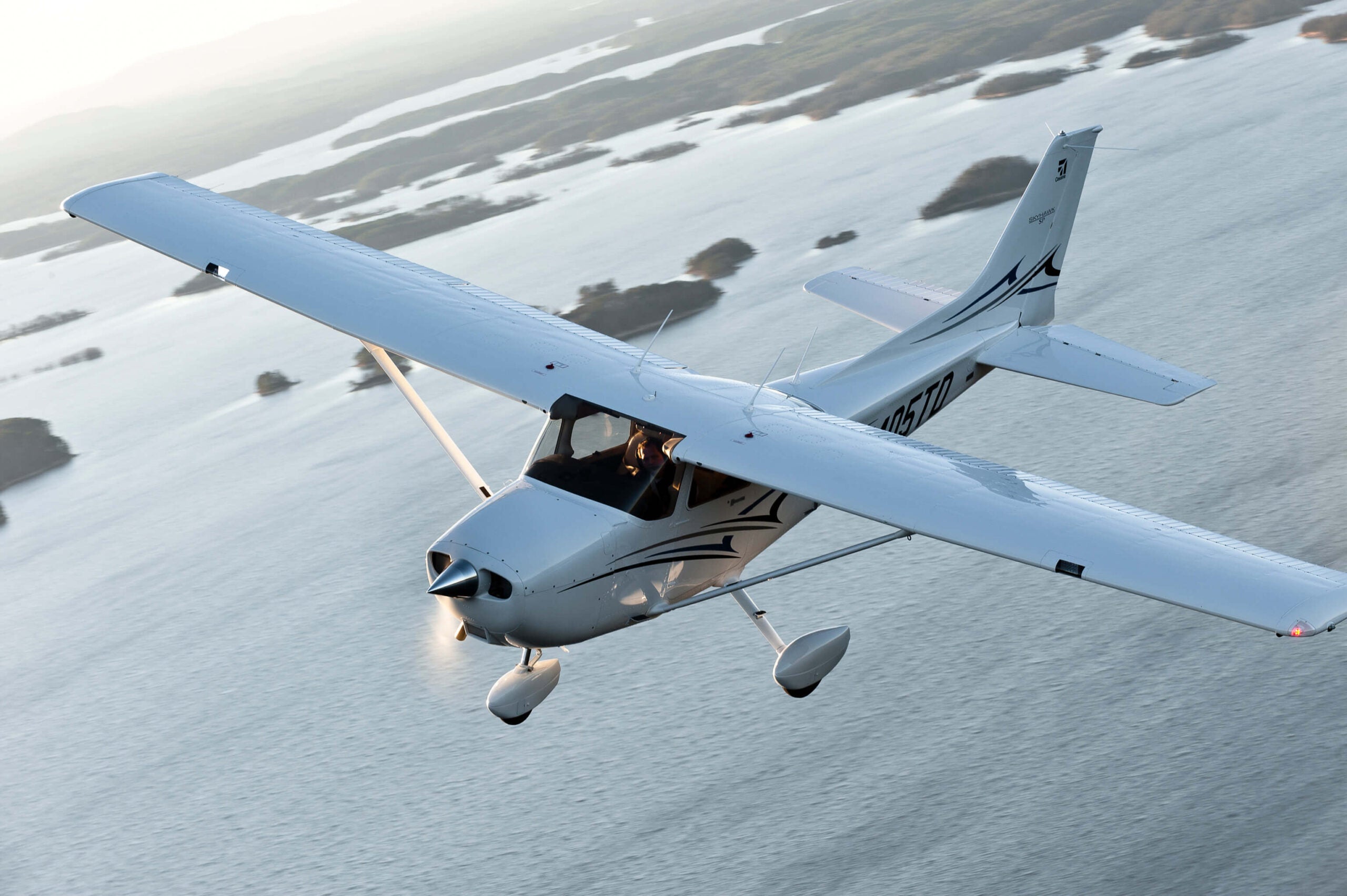
Cessna Skyhawk. [FLYING File photo]
Gemini Sparkle

Key Takeaways:

  • Lower Costs: Piston aircraft have significantly lower purchase prices (ranging from $100,000 to $1 million) and lower fuel consumption rates for short flights compared to turboprops and jets.
  • Accessible Training: Flying piston planes involves fewer regulatory hurdles and simpler training, eliminating the need for the complex certifications or multiengine ratings often required for turboprops.
  • Easier Maintenance and Fuel Availability: Piston engines use widely available 100LL fuel, feature time-tested mechanical designs similar to automotive engines, and qualify for pilot-performed preventative maintenance under FAA regulations.
See a mistake? Contact us.

BROUGHT TO YOU BY FLYING FINANCE

Recently, we highlighted the value of turboprops as the perfect niche aircraft between the passenger jet and the piston-driven propeller plane segments. But what if the use cases for turboprops don’t fit your needs? 

For new pilots and aviation enthusiasts, piston planes are the perfect class of aircraft. With fewer regulatory hurdles and less expensive operating costs, here’s a list of what to love about a simple, lightweight aircraft.


Matt Herr

Matt Herr develops sponsored content for clients at Firecrown Media. He is a gearhead and motoring enthusiast with experience in tech, freight and manufacturing. He spends his free time hiking with his wife, son and German shepherds, or reading and writing hobby pieces.

Ready to Sell Your Aircraft?

List your airplane on AircraftForSale.com and reach qualified buyers.

List Your Aircraft
AircraftForSale Logo | FLYING Logo
Pilot in aircraft
Sign-up for newsletters & special offers!

Get the latest stories & special offers delivered directly to your inbox.

SUBSCRIBE