














Register

The Ins and Outs of Pilot Weather Reports

PIREPs are those rare commodities that GA pilots yearn for during preflight planning or while en route.

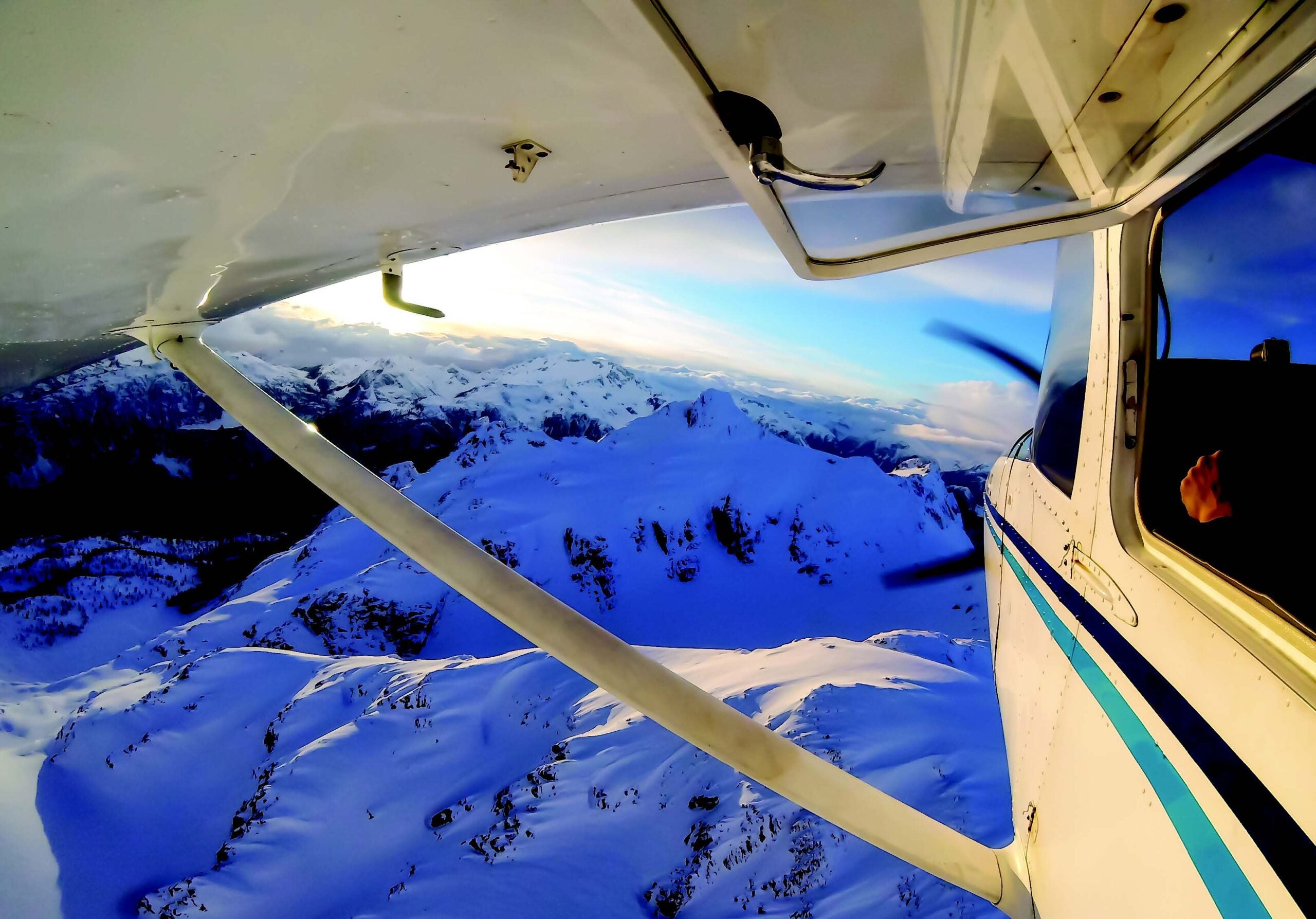
Pilot weather reports, or PIREPs, are those rare commodities that GA pilots yearn for during preflight planning or while en route. [iStock]
Gemini Sparkle

Key Takeaways:

  • PIREPs are vital for aviation safety, offering real-time "ground truth" for pilots, meteorologists (e.g., AWC, CWSU), and air traffic controllers, directly influencing advisories like SIGMETs and automated weather products (CIP, GTG).
  • Filing PIREPs can be challenging due to radio communication logistics, but online portals (like aviationweather.gov) and dedicated apps (e.g., Virga) offer alternative submission methods, emphasizing the need for specific details such as altitude and conditions.
  • The usefulness of PIREPs is time-sensitive; icing reports generally become obsolete after 75 minutes, and turbulence reports after 45 minutes, due to the dynamic and transitory nature of weather phenomena.
  • Pilots flying IFR in controlled airspace are required to report unforecast weather, and while concerns about self-incrimination exist, the primary goal of PIREPs is to improve overall flight safety, making all reports, even of benign conditions, valuable.
See a mistake? Contact us.

Every January 1, I tend to have the same New Year’s resolutions that involve losing at least 5 pounds by year’s end, exercising daily, and making at least one pilot weather report on every flight. I do a fair job with the weight and exercise goals but seem to find myself falling short on making those pilot reports. Somehow, I manage to dream up a bunch of lame excuses not to make them.

Pilot weather reports, more simply known as PIREPs, are those rare commodities that general aviation pilots yearn for during preflight planning or while en route using datalink weather. They are vital since they answer these basic questions: At what altitude will I likely encounter ice? What is the severity of those icing conditions? What is the severity of turbulence at my planned altitude? And the most frequently asked question: What altitude will I find the cloud tops?


Scott Dennstaedt, Ph.D

Scott resides in Charlotte, North Carolina, and flies regularly throughout the Mid-Atlantic and Southeast U.S. He is a CFI and former NWS meteorologist. Scott is the author of "The Skew-T log (p) and Me: A Primer for Pilots" and the founder of EZWxBrief.

Ready to Sell Your Aircraft?

List your airplane on AircraftForSale.com and reach qualified buyers.

List Your Aircraft
AircraftForSale Logo | FLYING Logo
Pilot in aircraft
Sign-up for newsletters & special offers!

Get the latest stories & special offers delivered directly to your inbox.

SUBSCRIBE
