
During the winter months, when the temperatures drop in Northern climes, the sky turns gray and days are cut short as the sun spends more time on the opposite side of the equator, there are fewer opportunities to fly for most of us. Airplanes begin to collect dust, and some engines even get pickled as owners succumb to the fact that they won’t fly for several months.
The Greatest Flying Season of All

Key Takeaways:
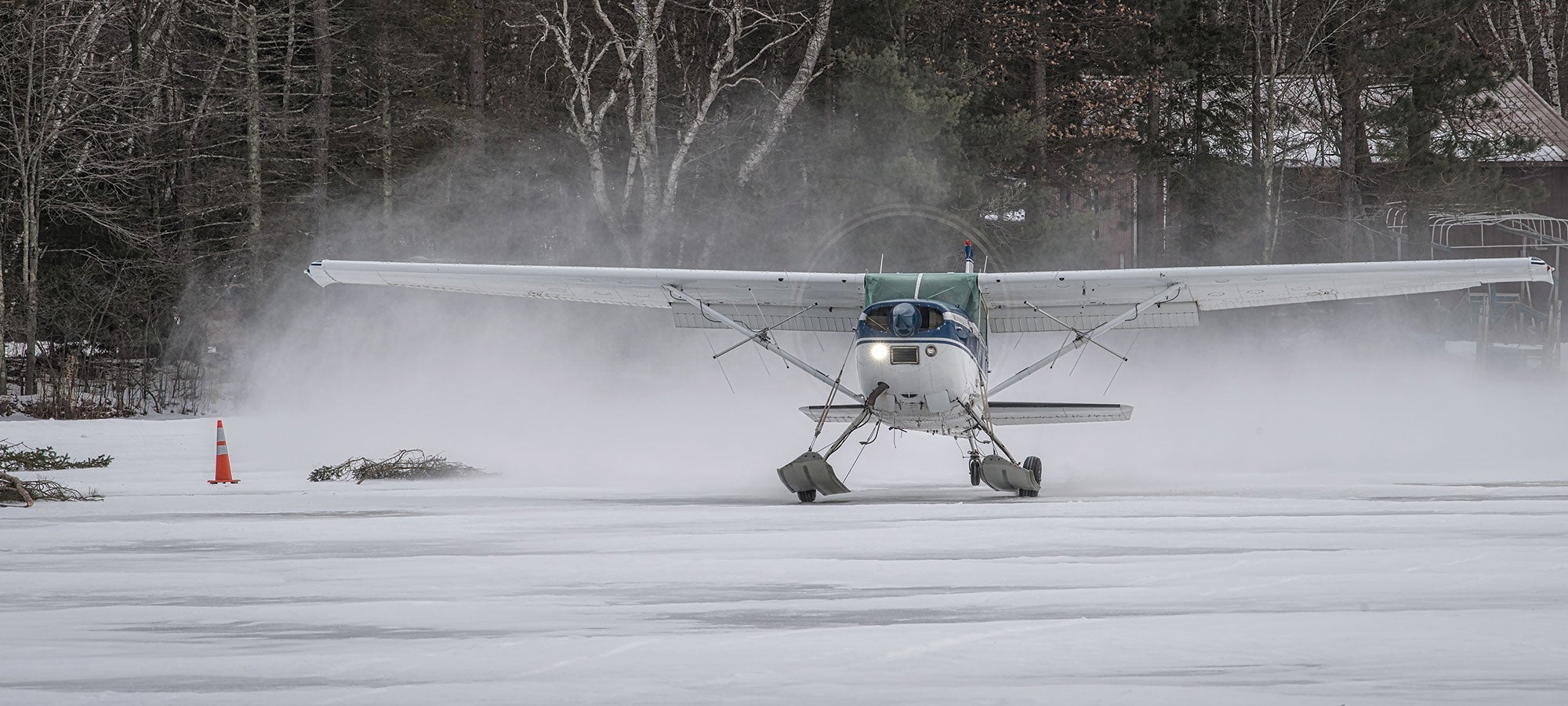
- Ski-flying allows pilots in northern climates to fly year-round by equipping aircraft with skis, turning frozen lakes, fields, and rivers into accessible landing strips for unique exploration.
- Despite no specific rating, specialized training is highly recommended for ski-flying due to its unique challenges, including unpredictable snow and ice conditions, surface evaluation, and the absence of traditional brakes.
- Safe ski-plane operations require careful planning, such as thorough landing area assessment (e.g., checking for water or hard ridges), preferring conventional gear (taildraggers), protecting skis from sticking, and carrying essential survival gear.
Key takeaways sponsored by Aviator Pro | Start Your Training ->
See a mistake? Contact us.