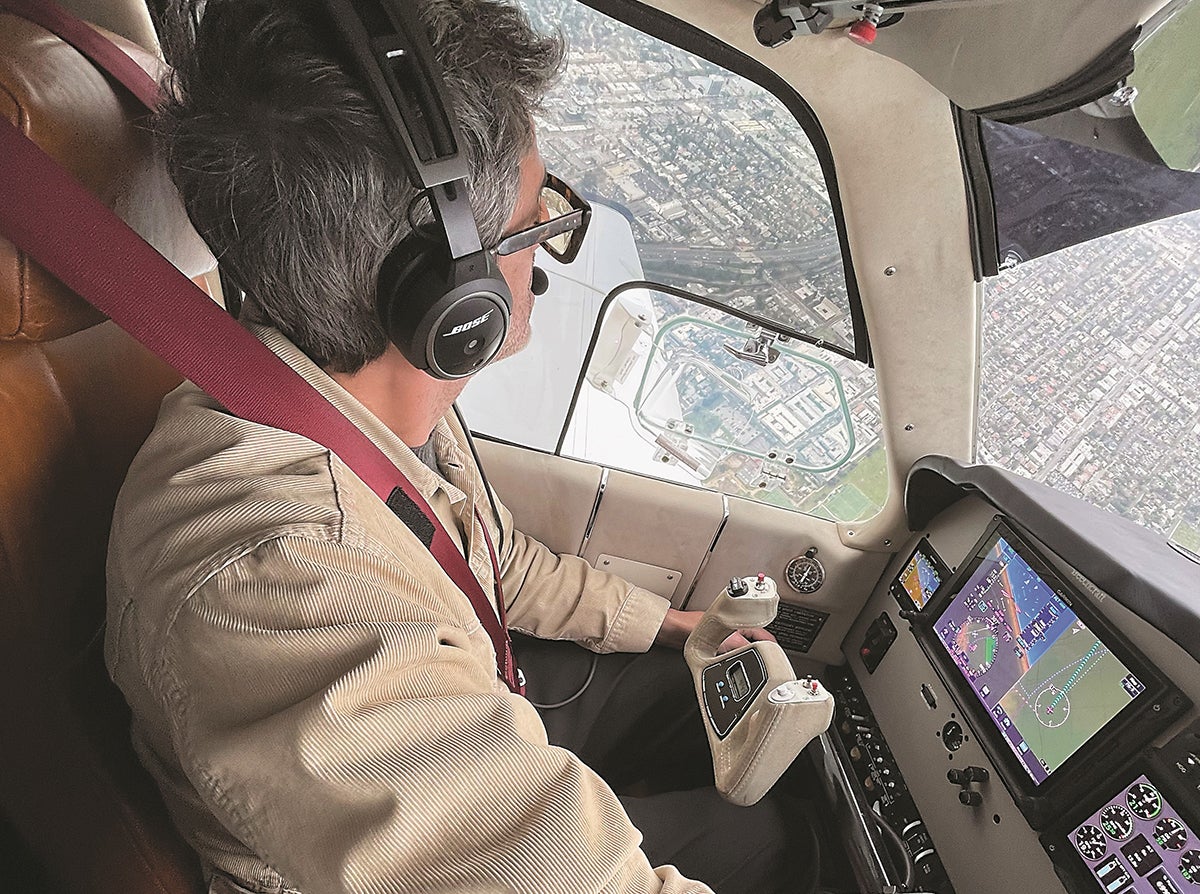
Human error is a pervasive and dangerous factor in aviation, exemplified by the author's pilot deviation and several recent close calls involving professional pilots and air traffic controllers.
The article argues that conventional safety checklists (e.g., I'M SAFE) often fail to detect the subtle, nuanced states of fatigue or distraction that contribute to critical mistakes.
It emphasizes the challenge of recognizing these subtle "vibrations" or feelings of being "off" before an error occurs, as human fallibility can lead to mistakes from various, often imperceptible, causes.
“November 1750 Whiskey, copy this number down and call when on the ground. Possible pilot deviation.”
Yup. The dreaded words, and just a couple of weeks before the 10-year anniversary of getting my private certificate. It happened earlier this year, departing VanNuys (KVNY) in California.
CREATE A FREE ACCOUNT
Sign up to keep reading
Create a free account to continue. Already a member? Sign in below.
Ben Younger is a TV and film writer/director, avid motorcyclist and surfer—but it’s being a pilot that he treats as a second profession. Find him on Instagram @thisisbenyounger.