Aware that this column will have new developments by the time it goes to print, I hesitated to write about the subject. But I felt passionate enough that it would be a disservice to readers if this particular airline guy didn’t weigh in, especially for someone that spent an entire jet career flying Boeing products.
What Happens Next For Boeing?

Key Takeaways:
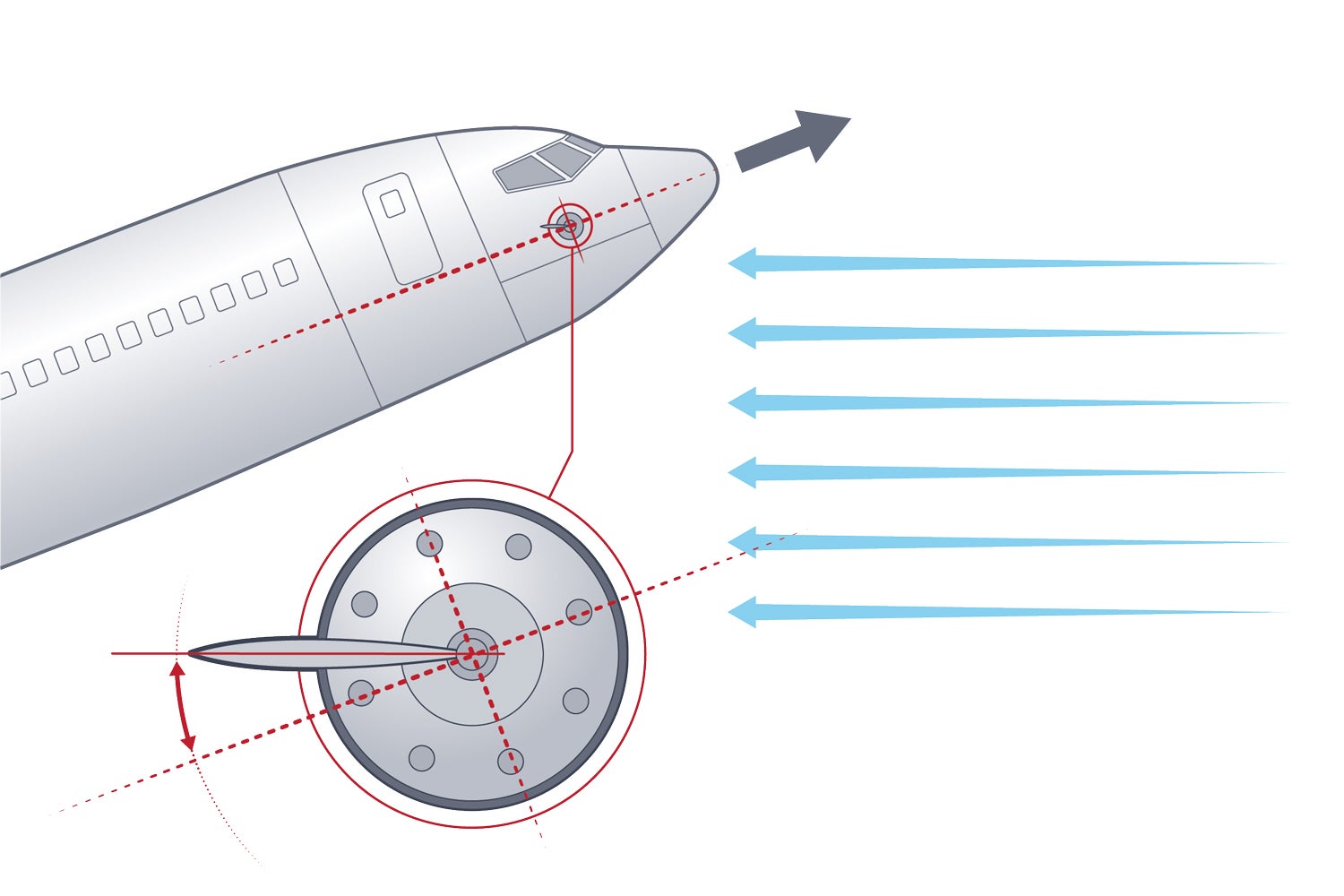
- The Boeing 737 Max crashes (Lion Air and Ethiopian Airlines) were attributed to the Maneuvering Characteristics Augmentation System (MCAS) erroneously pitching the nose down, triggered by a single faulty angle of attack sensor.
- The author criticizes Boeing for critical design flaws, including the lack of redundancy in MCAS's sensor input and the failure to adequately detail the system's operation in pilot handbooks, hindering emergency response.
- Pilots faced immense challenges responding to the MCAS malfunction due to the complexity and difficulty of executing the "Runaway Stabilizer Trim" checklist under extreme stress, with suggested procedures proving ineffective.
- The article raises concerns about systemic issues in FAA oversight of Boeing and suggests the 737 design may be stretched beyond safe limits, predicting severe long-term consequences for the manufacturer's trust and business.
Key takeaways sponsored by Aviator Pro | Start Your Training ->
See a mistake? Contact us.