














Register

For the Love of the Game

The creators weigh in on designing the world of virtual aviation.

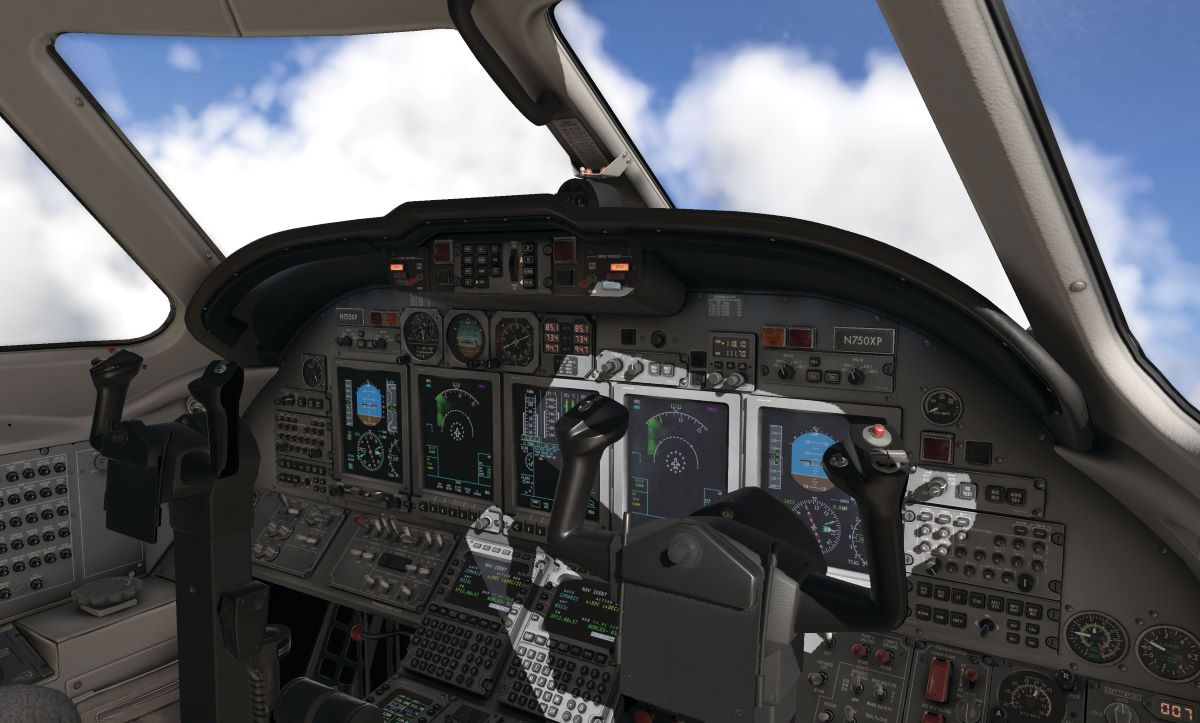
[Courtesy: X-Plane]
Gemini Sparkle

Key Takeaways:

  • Flight simulators like Microsoft Flight Simulator prioritize realism, developed by pilots and experts to accurately replicate aircraft aerodynamics, weather, and scenery, while also incorporating "fun" and allowing for unrealistic virtual experiences.
  • Modern flight sims are highly customizable and accessible, catering to all skill levels from casual beginners with simplified flight models to dedicated enthusiasts seeking full realism and investing in elaborate virtual cockpits.
  • Flight simulators serve as an effective gateway to aviation, fostering interest in students, providing platforms for realistic training and mentorship within virtual communities, and offering an affordable alternative to real-world flight experience.
See a mistake? Contact us.

At AirVenture 2001, Microsoft Flight Simulator 2002 premiered. The company had a large presence at the show—they had a kiosk in an exhibit hangar and had rented a large trailer with an awning where they set up computers so that members of the media could test-fly the game.

The audience for the virtual aviation experience—I hesitate to call it a ‘game,’ and more on that later—was both aviation enthusiasts and certified pilots, as MSFS 2002 had been developed to be “as realistic as possible.” I promptly tested this assertion by rolling a virtual Cessna 172 inverted and keeping it there. As the fuel tanks on the 172 are in the wings and the aircraft has a gravity-fed system, going upside down means the fuel doesn’t reach the engine. In real life, you expect it to stop—and quickly. I silently counted alligators as I held the aircraft inverted—there was the sputter and cough as the engine quit approximately 15 seconds into the maneuver.


Meg Godlewski

Meg Godlewski has been an aviation journalist for more than 24 years and a CFI for more than 20 years. If she is not flying or teaching aviation, she is writing about it. Meg is a founding member of the Pilot Proficiency Center at EAA AirVenture and excels at the application of simulation technology to flatten the learning curve. Follow Meg on Twitter @2Lewski.

Ready to Sell Your Aircraft?

List your airplane on AircraftForSale.com and reach qualified buyers.

List Your Aircraft
AircraftForSale Logo | FLYING Logo
Pilot in aircraft
Sign-up for newsletters & special offers!

Get the latest stories & special offers delivered directly to your inbox.

SUBSCRIBE
