


Register

Navigating Smoke

Smoke can present a hazard to all pilots, but especially those flying under visual flight rules.

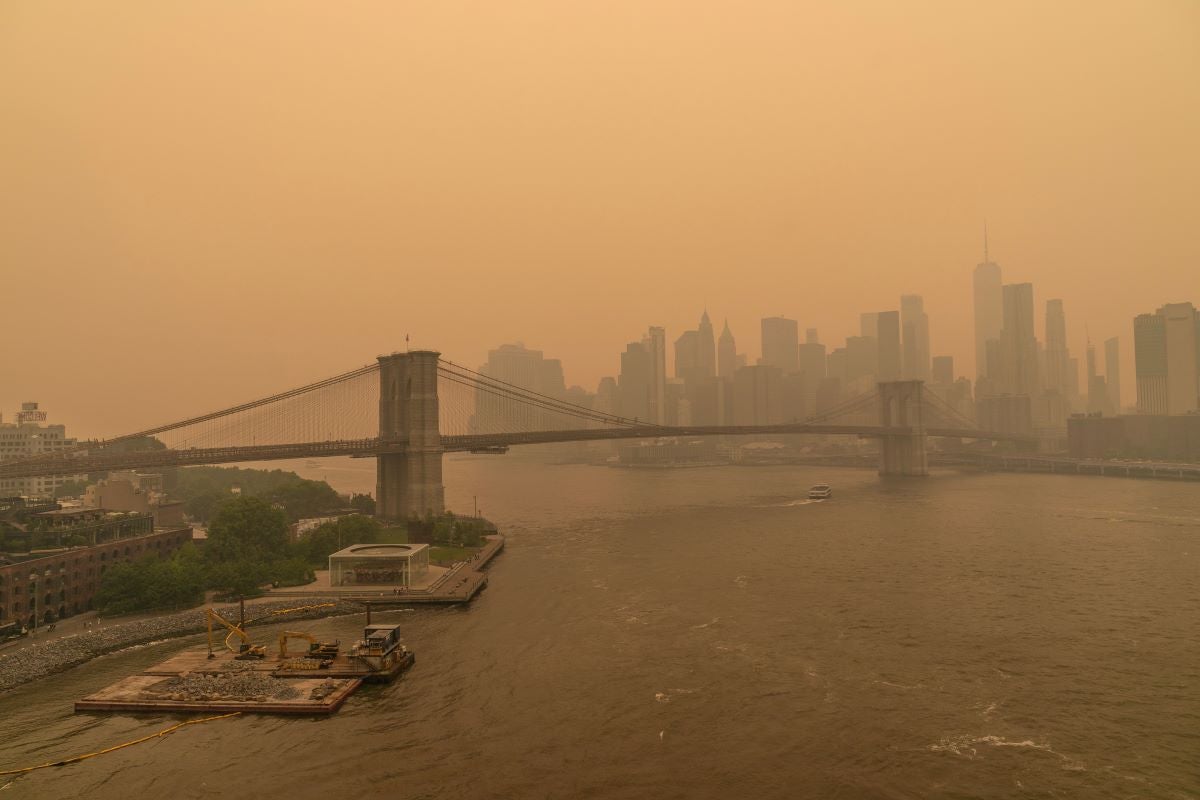
Smoke from Canadian wildfires brought in by wind created a hazy New York city skyline June 7, 2023. [Credit: Shutterstock]
Gemini Sparkle

Key Takeaways:

  • Wildfire smoke severely reduces visibility aloft and at the surface—often creating low IFR conditions that make VFR flight impossible—while introducing severe convective turbulence and health hazards like carbon monoxide-induced hypoxia.
  • Pilots are advised to avoid unnecessary flights; those who must fly should operate on an instrument flight plan, consider using supplemental oxygen even below 10,000 feet, and consult pilot reports (PIREPs).
  • Standard automated weather systems and MOS forecasts do not adequately predict smoke obscuration, making human-augmented TAFs (marked with "FU") and the HRRR-Smoke model the most reliable tools for assessing conditions.
See a mistake? Contact us.

Given the dozens of forest fires burning out of control in southeastern Canada, mainly in Quebec and Nova Scotia, I have received many inquiries from my followers about how to deal with smoke from an aviation perspective. First and foremost, smoke can present a hazard to all pilots, but especially those flying under VFR.

Fires in Canada as of June 7, 2023. Red means the fires are out of control, yellow, being held, and blue, under control. Source: https://cwfis.cfs.nrcan.gc.ca/interactive-map.

Smoke lowers visibility, not only at the surface, but aloft as well. It is not unusual for smoke to lower flight and surface visibility to less than 1 statute mile, making flying VFR impossible and dangerous, especially at night and in mountainous terrain. Even under IFR, visibility may be in the low IFR flight category and below published minimums for some airports. In fact, the FAA implemented a ground stop for flights bound for New York’s LaGuardia airport because of smoke and reduced visibility on Wednesday.


Scott Dennstaedt, Ph.D

Scott resides in Charlotte, North Carolina, and flies regularly throughout the Mid-Atlantic and Southeast U.S. He is a CFI and former NWS meteorologist. Scott is the author of "The Skew-T log (p) and Me: A Primer for Pilots" and the founder of EZWxBrief.

Ready to Sell Your Aircraft?

List your airplane on AircraftForSale.com and reach qualified buyers.

List Your Aircraft
AircraftForSale Logo | FLYING Logo
Pilot in aircraft
Sign-up for newsletters & special offers!

Get the latest stories & special offers delivered directly to your inbox.

SUBSCRIBE